
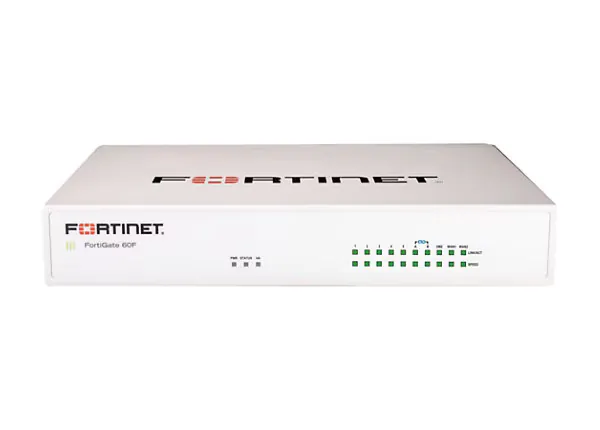
The U.S. Cybersecurity and Infrastructure Security Agency issued an urgent national alert directing organizations to lock down their network borders immediately. A coordinated cybercrime campaign dubbed “FortiBleed” successfully exposed approximately 74,000 firewall and VPN credentials from internet-accessible FortiGate appliances. The breach effectively compromised half of all globally internet-facing Fortinet firewalls in a single sweep.
A highly resourced Russian-speaking threat syndicate orchestrated the attack using an automated Hashtopolis management system connected to a dedicated 45-GPU cracking cluster. The group executed an estimated 1.16 billion brute-force and credential-stuffing attempts against over 320,000 targets across 194 countries. E-crime initial access brokers are now actively sorting the stolen data by corporate revenue and geography to sell direct network entry points on the dark web.
CISA published urgent remediation guidelines instructing all affected network administrators to instantly terminate active SSL VPN sessions. System managers must reset all passwords, enforce strict phishing-resistant multi-factor authentication, and aggressively audit their domain logs for any signs of lateral movement within their internal systems.
The Encryption Upgrade Trap
The technical mechanics of the FortiBleed breach reveal a fascinating and dangerous quirk in how security hardware handles software updates. Fortinet actually patched its FortiOS software recently to utilize the highly secure Password-Based Key Derivation Function 2 (PBKDF2) algorithm. The problem is that installing the update did not automatically re-hash existing passwords saved on the devices.
System administrators had to physically log back into their appliances after the patch for the new encryption standard to take effect. The attackers exploited this exact gap. They specifically targeted instances that had not completed this manual login process and were still running legacy SHA-256 with Salt formatting. The hackers utilized offline configuration extraction to pull the weaker hashes and run them through their GPU cluster at incredible speeds.
Why The Hardware Hashing Catch Matters
This incident permanently forces the enterprise technology sector to abandon legacy SHA-256 encryption within edge-network appliances. The sheer scale of the automated cracking cluster proves that older hashing formats are essentially useless against modern GPU brute-forcing. The resulting fallout directly impacts some of the largest corporations on the planet, with threat intelligence reports identifying compromised instances at Samsung, Foxconn, Comcast, Siemens, Lenovo, and Oracle. Government networks in India, Ukraine, Poland, and Taiwan were also successfully targeted.
This is not the first time Fortinet architecture faced this exact type of vulnerability. In January 2025, a cybercrime syndicate known as the Belsen Group leaked configuration data and passwords for over 15,000 devices. The current FortiBleed event operates at five times that scale, proving that commercial hardware providers must design security updates that force automatic password re-hashing rather than relying on manual administrative logins.