
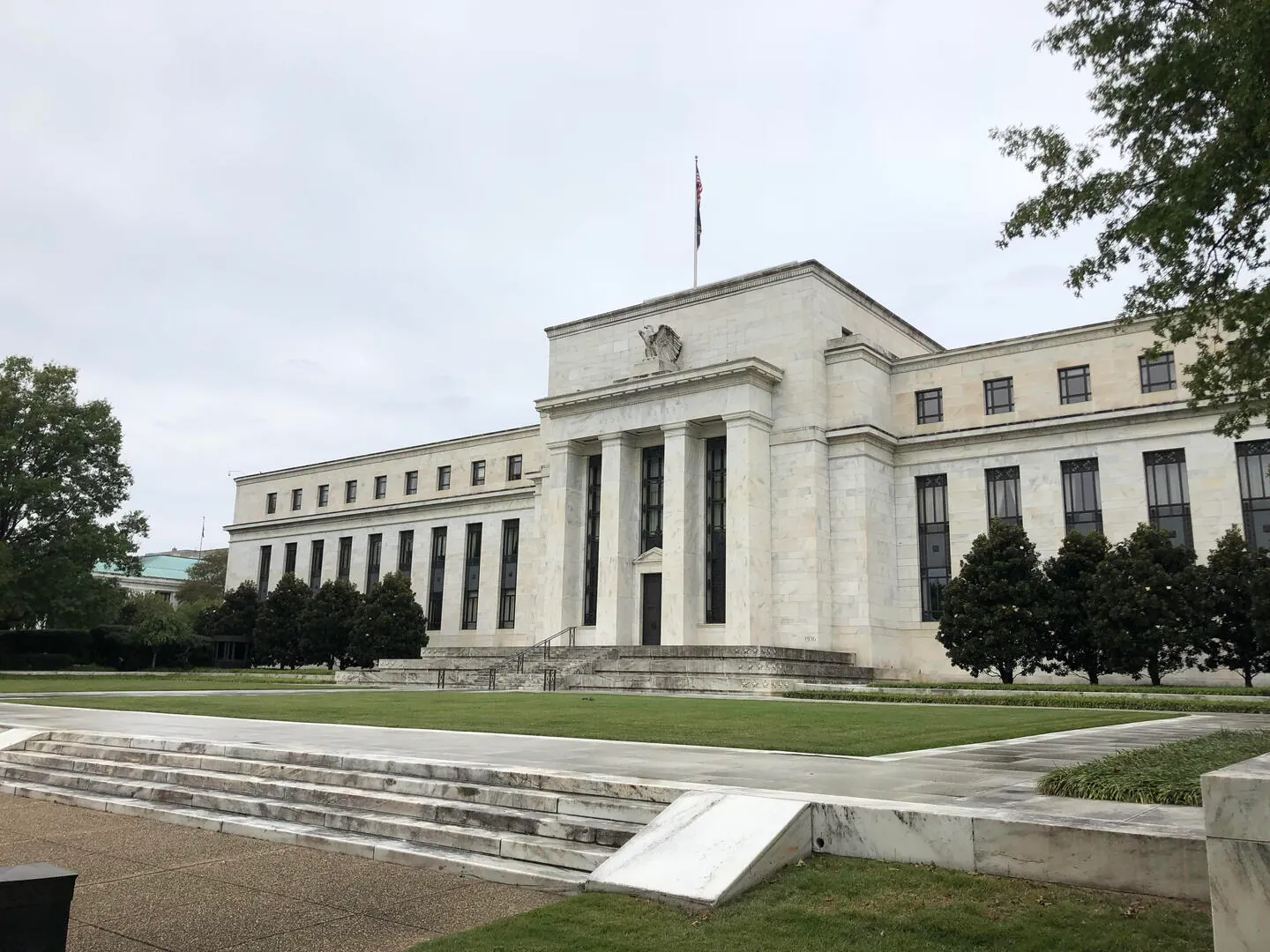
The Federal Reserve maintained its benchmark interest rate at 3.50% to 3.75% for the fourth consecutive meeting today. The decision arrives as incoming Chair Kevin Warsh inherits an economy wrestling with inflation accelerating to 4.2%, driven heavily by recent energy shocks.
While markets had priced in a 97% probability of a rate pause, risk assets violently repriced following the release of a hawkish policy statement and dot plot. Spot gold fell over $40, the US Dollar Index climbed 35 points, and Bitcoin dipped over 1% to trade around $65,417.
The immediate market sell-off was triggered by updated forecasts from the Federal Open Market Committee. Exactly half the committee, nine out of 18 officials, now project interest rate hikes in 2026. Only one official forecast a rate cut this year. This aggressive stance heavily contradicted prior market positioning, which anticipated an eventual easing cycle.
The sell-off in precious metals aligned with broader market shifts, according to an Investing.com analysis detailing gold’s 25% drop leading up to the Fed decision and its extreme sensitivity to positive real yields. The new dot plot formally establishes the possibility of up to 75 basis points in rate hikes this year, pushing real yields higher.
How the Hawkish Hold Clashes With the US-Iran Oil Disinflation
The structural repricing of the 2026 interest rate path arrives precisely as global energy markets face a sudden deflationary shock. The finalized US-Iran peace deal has initiated a plunge in crude oil prices, creating a complex macroeconomic collision.
Warsh’s Federal Reserve is communicating a tightening policy based on trailing 4.2% inflation metrics, just as a major disinflationary energy catalyst enters the global supply chain. The resulting volatility and the Fed’s willingness to signal future hikes validated the defensive positioning of 55% of Bank of America fund managers, who actively prepared for a hawkish hold.
By extending the pause to a fourth consecutive meeting while putting future hikes on the table, the central bank officially closed the Jerome Powell era and defined the immediate constraints for capital flows under Warsh’s leadership.