
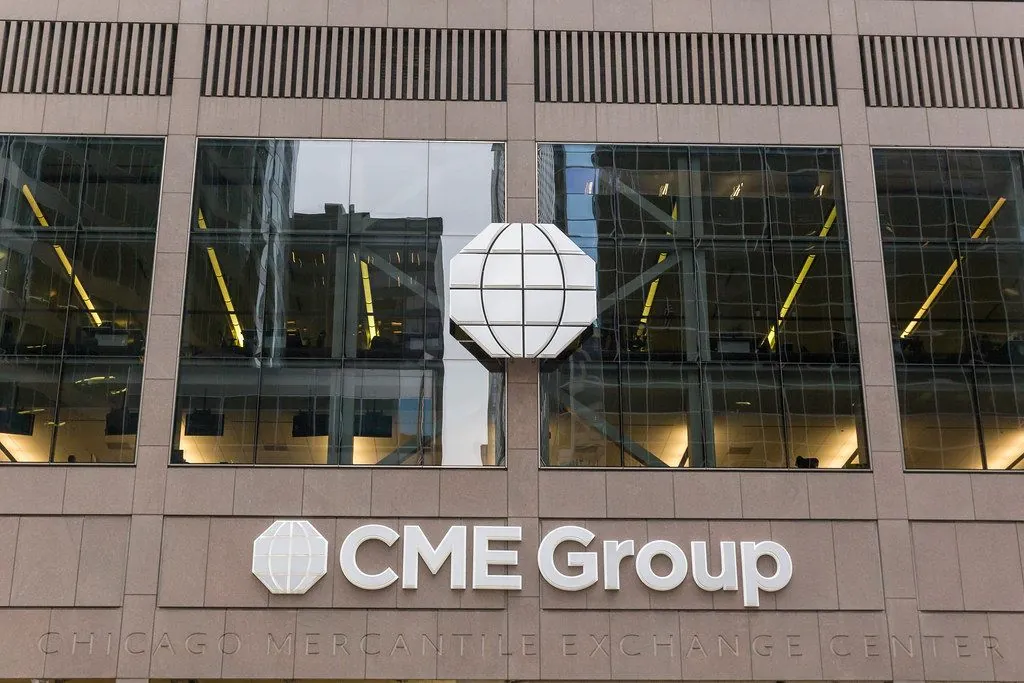
CME Group officially launched continuous 24/7 trading for its suite of cryptocurrency futures and options, including Bitcoin and Ether contracts, on May 29, 2026. The structural shift permanently resolves a nine-year market anomaly known as the “weekend gap,” a highly watched pricing divergence created when native cryptocurrency exchanges operated continuously while the regulated CME exchange closed from Friday to Sunday.
The expansion officially aligns CFTC-regulated traditional financial products with native crypto market hours. The exchange will now operate continuously with only minor scheduled maintenance windows, including a two-hour weekend pause.
Key Details
- CME Group launched 24/7 trading for Bitcoin and Ether futures and options on May 29, 2026.
- The structural change officially eliminates the historical “CME Gap” trading strategy.
- The launch coincided with a $6.25 billion Bitcoin options expiry and an $897 million overnight market liquidation event.
- Traditional financial products on the exchange now match native crypto market hours, minus a brief maintenance window.
Tim McCourt, CME’s Global Head of Equities, FX and Alternative Products, stated the operational change bridges the gap between traditional regulated venues and the continuous nature of digital assets. This immediate access allows institutions to manage risk in real-time over the weekend, according to an official launch overview detailing executive commentary on bridging traditional and crypto markets.
The transition fundamentally alters institutional trading behavior by ending the 9-year weekend gap trading signal. Previously, retail and institutional traders used the Friday closing price on CME as a magnet target, anticipating that spot Bitcoin prices would return to that level when traditional markets reopened on Monday. Retail brokerage Optimus Futures actively integrated the new continuous contracts into its systems, outlining the specific 24/7 trading mechanics and supported assets for clients.
Market monitors from MetaMask highlighted that the structural update occurred alongside a substantial $6.25 billion Bitcoin options expiry, adding immediate volume to the newly continuous markets. The shift marks the most significant operational change to institutional Bitcoin derivatives since CME first introduced Bitcoin futures in December 2017.
How Continuous Liquidity Alters Institutional Risk Parameters
Market analysts debate whether continuous institutional access will stabilize weekend price fluctuations or expose traditional traders to new margin risks. By removing the protective pause of a traditional Friday market close, institutions gain the ability to execute immediate hedges against sudden weekend news events or spot price movements.
However, this continuous exposure requires round-the-clock risk management. Traders holding leveraged positions on the regulated exchange can now face automated liquidations during typically low-volume weekend hours, a risk previously isolated to native cryptocurrency platforms.