
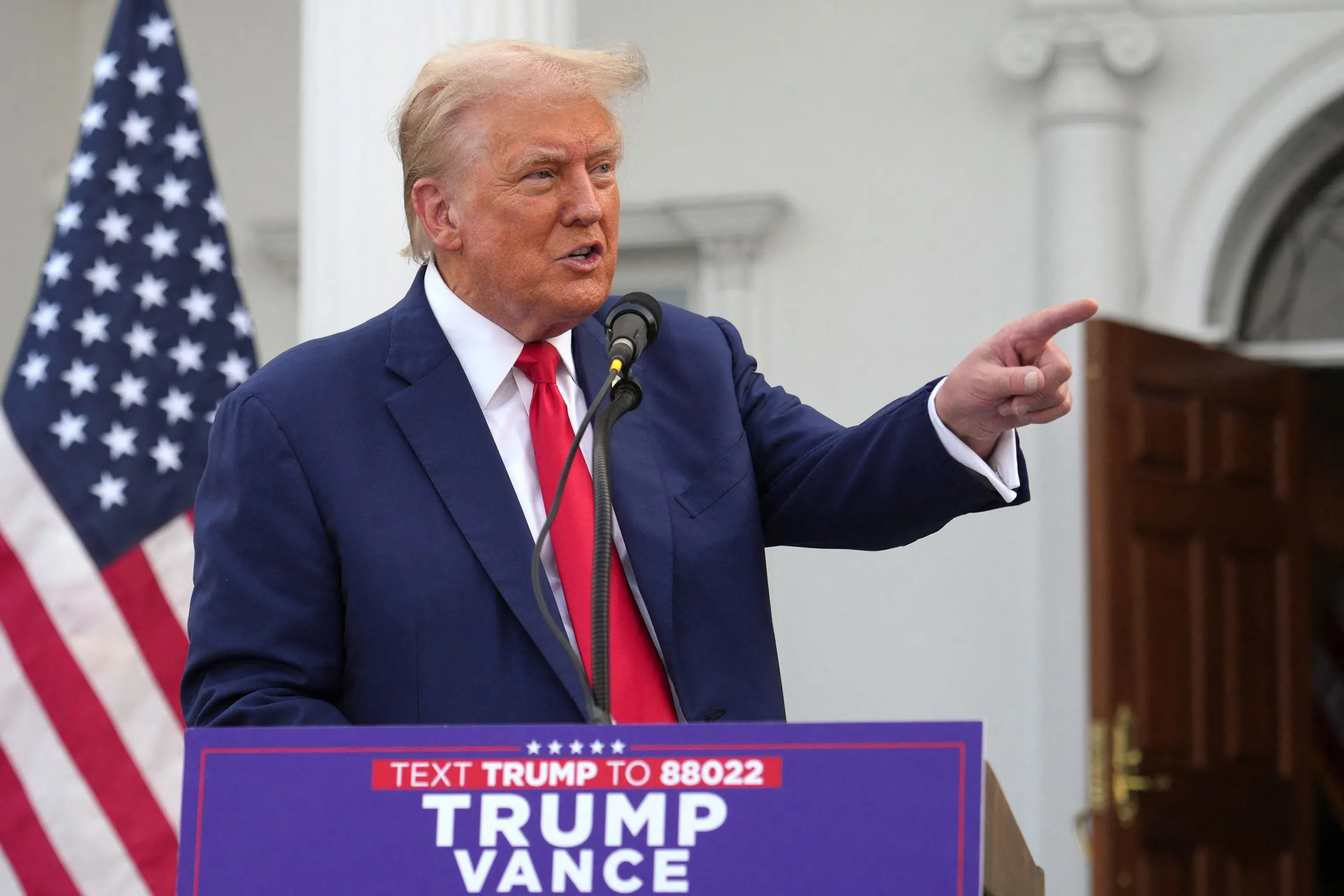
U.S. President Donald Trump abruptly canceled planned military strikes against Iran on Thursday, declaring that a settlement to end the ongoing war is in “pretty final shape.” The sudden diplomatic pivot follows months of severe military escalation, including devastating airstrikes and Iran’s blockade of the Strait of Hormuz, which has heavily disrupted global shipping lanes and energy supplies.
Iranian officials immediately disputed the U.S. president’s claims. Foreign Ministry spokesperson Esmail Baghaei characterized the reports of a concluded deal as “merely speculation,” stating that while the text is “mostly finalized” and significant understandings have been reached, Tehran has not made a binding decision and a final peace treaty is not imminent.
The proposed framework reportedly involves a 60-day ceasefire extension. Under this arrangement, the Strait of Hormuz would be officially reopened and Iran would be permitted to resume oil sales while negotiations continue regarding its nuclear program. Trump suggested the agreement could be signed in Europe as early as this weekend.
The core conflict centers on American and Israeli demands for the complete dismantling of Iran’s nuclear enrichment infrastructure in exchange for lifting economic sanctions. Following Trump’s announcement, the Israeli Prime Minister’s Office confirmed Benjamin Netanyahu spoke with the U.S. president. Netanyahu emphasized Israel’s absolute requirement that any final agreement must mandate the removal of Iran’s enriched nuclear material.
Pakistan’s Prime Minister Shehbaz Sharif praised the diplomatic progress and offered to host the next round of negotiations.