
Episodic game development affects player retention by heavily front-loading initial engagement through low purchase prices and short playtimes, followed by a mathematical drop-off with each subsequent release. Breaking a larger narrative into self-contained installments released over weeks or months initially pulls in massive audiences who avoid long, intimidating video games. But as the months drag on between chapters, players forget plot lines, lose emotional momentum, and simply stop buying the next episode.
The entertainment industry loves a recurring revenue stream. Television trained audiences to tune in weekly for decades. Video game studios attempted to capture that exact magic by replacing the traditional box release with smaller, serialized chunks. This model altered how players consumed interactive stories.
It also introduced a harsh financial reality for developers. Selling episode one is easy. Convincing players to stick around for episode five is incredibly difficult.
The Mechanics of Serialized Gaming
Episodic video games break down a larger narrative or gameplay arc into discrete, sequential releases. Instead of spending three years building a massive sixty-hour adventure, a studio builds the first two hours and releases it immediately. They then use the revenue from that first release to fund the development of the next chapter.
These episodes typically offer shorter bursts of gameplay. Players usually finish a single installment in one to three hours. This specific format requires pacing that relies heavily on serialized storytelling techniques borrowed directly from network television.
To bridge the gap between development cycles and maintain player retention, episodes almost always conclude with unresolved conflicts. Writers engineer cliffhangers to encourage continued emotional investment. The goal is to force players into digital watercooler discussions while they wait for the next drop. When the game cuts to black right before a major character dies, players immediately jump onto forums to theorize about what happens next.
This creates a community-driven hype cycle. Fans generate free marketing for the game by discussing their theories online. But this hype relies entirely on the studio releasing the next episode before the audience gets distracted by another game.
Curing Backlog Anxiety and Upfront Costs
The episodic structure directly attacks one of the biggest hurdles in modern gaming: the time commitment. Adult players with full-time jobs and families frequently suffer from “backlog anxiety.” This is the stress of buying a massive role-playing game, knowing you will never actually have the eighty free hours required to finish it.
Episodic games offer immediate commitment relief. They promise a complete, satisfying narrative chunk in the same amount of time it takes to watch a movie. This lower time commitment directly boosts initial player acquisition.
Studios also lower the initial financial barrier through fractional pricing, making the entry point incredibly accessible. Instead of charging standard full-game pricing upfront, developers charge a single-digit entry fee for the first episode. This allows players who are on the fence to try the game at a low cost.
If they hate the game, they only lose a few dollars. If they love it, they buy the season pass. This structure theoretically secures a massive initial player base. The problem lies in keeping those players engaged across a multi-month release calendar.
The Telltale Games Boom and Bust
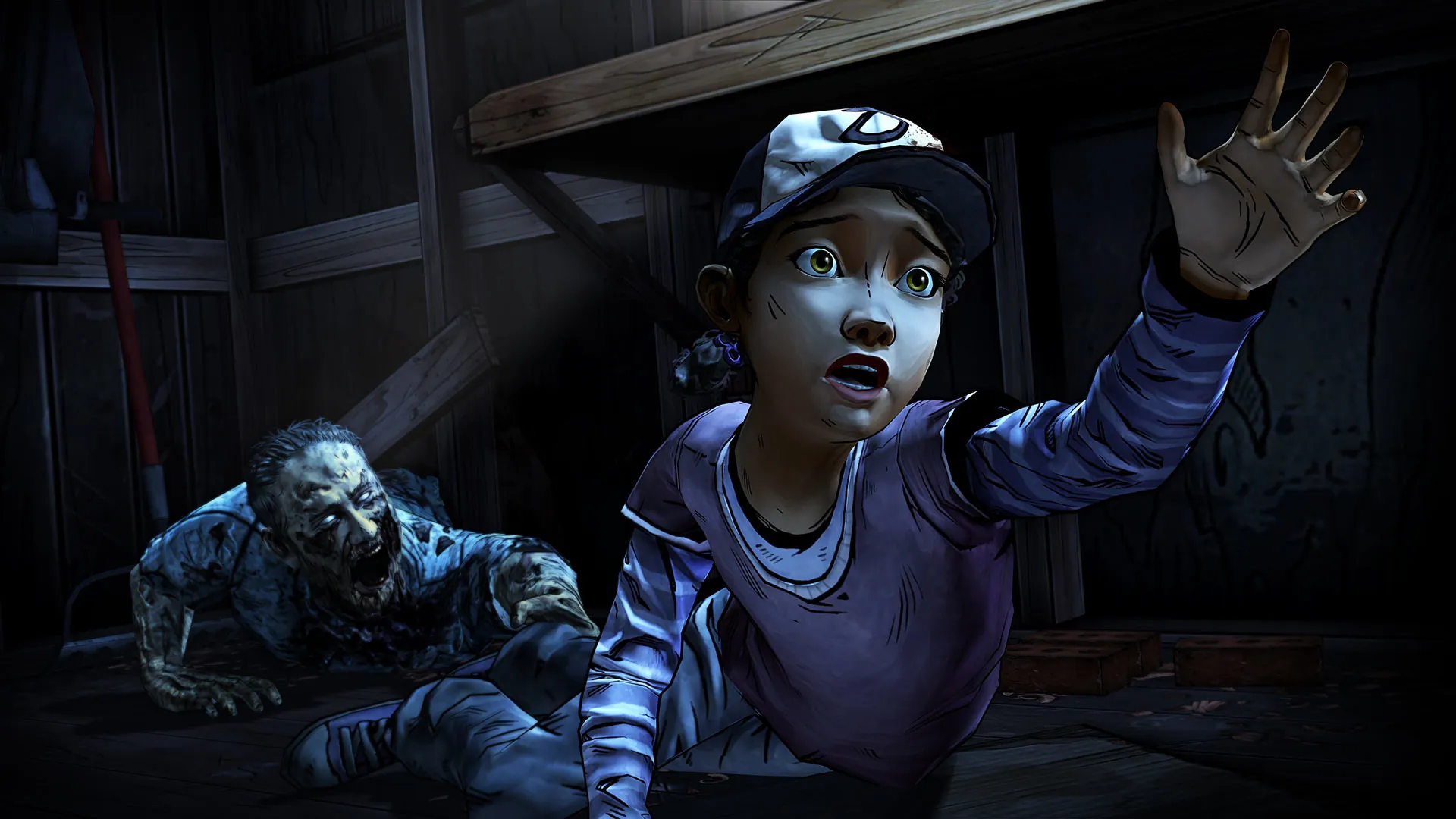
You cannot discuss episodic gaming without looking at Telltale Games. Their 2012 release of The Walking Dead Season One remains the gold standard for episodic retention. The game sold millions of copies on PC alone and amassed tens of millions of total episode sales across all platforms.
The success of that first season was unprecedented. It completely revitalized the point-and-click adventure genre. The emotional weight of the story, combined with the staggered release schedule, turned the game into a global cultural event. The studio eventually secured the Guinness World Record for the best-selling episodic videogame.
But Telltale’s later reliance on the format exposed the absolute fragility of the episodic model. Player retention across their subsequent series saw a dramatic, unavoidable decline. Audiences grew tired of the illusion of choice and the increasingly long waits between episodes.
By the end of the studio’s run, later titles dropped to a tiny fraction of the sales engagement seen during their 2012 peak. The financial risk of this episodic drop-off culminated in Telltale’s high-profile 2018 closure. At the time of their bankruptcy, The Walking Dead: The Final Season was temporarily abandoned after just two episodes. Skybound Entertainment eventually had to intervene and fund the completion of the series so fans could see the ending.
Live-Service Analytics and Risk Mitigation
From a production standpoint, releasing a game in stages allows developers to treat single-player narrative games similarly to live-service multiplayer products. They gather real-time data on how people play the game.
Studios utilize player analytics between episodes to adjust pacing, fix widespread bugs, and refine mechanics. If data shows that ninety percent of players failed a specific puzzle in episode one, the developers will ensure the puzzles in episode two are more intuitive. They can also look at narrative choices. If analytics show that the entire player base hates a specific supporting character, the writers can adjust the script for episode three to kill that character off.
This feedback loop drastically reduces upfront financial exposure. If the first episode is a complete commercial failure, the studio can halt production immediately. They save the time and budget that they would have wasted finishing an unpopular game.
This model also translates surprisingly well to other platforms. Developer Camouflaj successfully utilized the episodic model for République on iOS. By breaking down a complex core game for a mobile audience, they mitigated the high risk of launching a premium-priced game on a casual mobile platform.
The Drop-Off Dilemma and Sequential Decay
The biggest threat to episodic player retention is gap-induced fatigue. The delay between releases destroys momentum. As the gap between episodes stretches into months, players experience severe fatigue.
They forget the story details. They forget the control scheme. Sometimes, they simply lose interest entirely because a newer, shinier game just launched. When the next episode finally drops, the mental barrier to re-entry is just too high. Players tell themselves they will catch up later, but they rarely do.
This leads to the mathematical reality of sequential sales decay. Because playing the first episode is a strict prerequisite for understanding the second episode, the audience for subsequent episodes will almost always be smaller than the previous one.
You cannot grow your player base at episode three. You can only hope to retain the players who already finished episode two. This leads to heavily diminishing financial returns as a season drags on.
The episodic format also places immense pressure on individual releases due to the weakest link effect. If a middle episode suffers from uneven pacing or fails to deliver a satisfying hook, it can instantly break player retention. One boring chapter kills the momentum of the entire series. Players who feel cheated by a weak two-hour episode will simply refuse to buy the next one.
Where to Play Episodic Games Today
The distribution of episodic games shifted significantly as the industry learned from the failures of the past decade. You can still find these games across all major platforms, but the delivery method changed.
- PC Storefronts: Steam and the Epic Games Store still host massive libraries of episodic content. However, older series are almost exclusively sold as bundled “Complete Seasons.”
- Home Consoles: PlayStation and Xbox digital storefronts feature sections dedicated to narrative adventure games. Modern releases occasionally still launch episodically, but studios now prefer to have the entire season finished before releasing the first part to guarantee a strict monthly release schedule.
- Mobile Platforms: iOS and Android remain viable homes for episodic content. The bite-sized nature of the chapters fits perfectly with mobile gaming habits, where players consume content in short bursts during commutes.
What the Gaming Community is Saying
Player sentiment regarding episodic releases shifted heavily over the last decade. The excitement that surrounded the format in 2012 mostly evaporated. Modern gaming communities are highly skeptical of the release model.
Many players actively refuse to buy episodic games at launch. They state openly on forums and social media that they will wait for all episodes to release before making a purchase. They prefer to binge-play the entire story over a weekend, exactly like they binge-watch streaming television.
This consumer behavior actively hurts the financial model. The entire system relies on early adopters funding the later episodes. When the community decides to wait for a “Complete Season” sale, the studio runs out of money before they can finish the project.
Players also express intense frustration over abandoned projects. The community memory is long. Gamers remember buying into a promised five-episode season, only for the studio to go bankrupt after episode two. This lingering distrust makes it incredibly difficult for independent studios to successfully launch a new episodic franchise today.
Key Takeaways
- Episodic development drastically lowers the initial financial barrier and reduces time commitment anxiety, bringing in large audiences for the first chapter.
- The model suffers from guaranteed sequential decay, where player retention mathematically drops with each new episode due to gap-induced fatigue and release delays.
- Studios use the format to mitigate financial risk and gather player analytics, allowing them to cancel failing projects early or adjust future episodes based on real-time community feedback.