
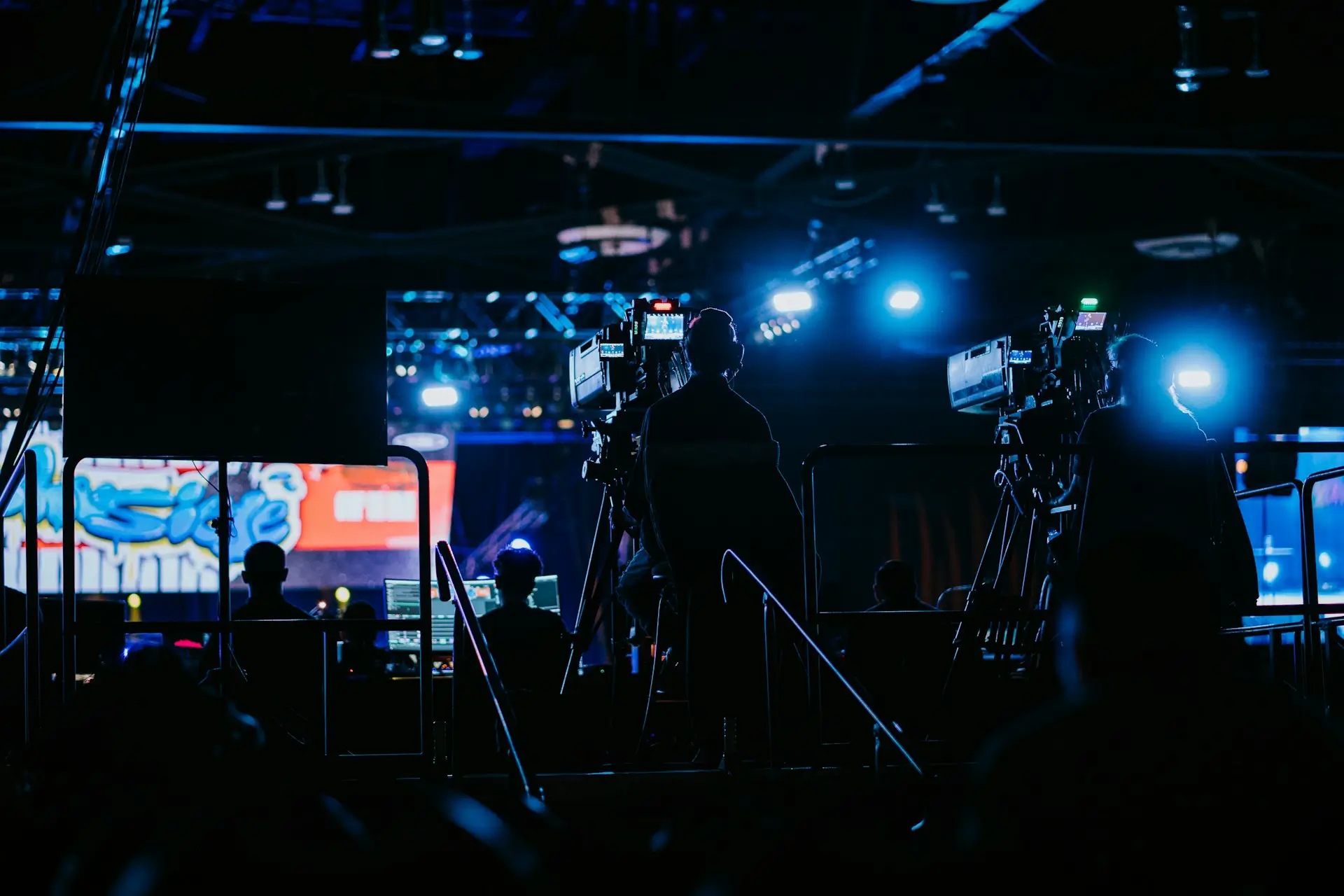
Streaming platforms prevent cameo leaks during television production by combining strict physical access control, psychological misdirection like decoy scripts, and invisible digital tracing tools that track stolen footage back to the exact source. The modern film set is essentially a secure facility. Studios spend millions keeping secrets because shock value drives viewership and social media trends.
A single leaked photo can ruin a highly anticipated character reveal. Fans want the surprise. Production companies want to protect their intellectual property. But keeping hundreds of cast members, crew workers, and external vendors quiet is an incredibly difficult job.
The entire system relies on plugging holes across the production pipeline. Security starts on the physical set, extends into the digital post-production suites, and continues all the way through the final broadcast release. Here is exactly how major streaming networks and studios lock down their content.
On-Set Security and the Physical Perimeter
The first line of defense is always physical. Before a camera even turns on, the location must be secured from both internal snooping and external espionage.
Modern sets restrict access utilizing ID badges, biometric scans, and key cards. Security teams monitor all entry points and maintain detailed visitor logs. This ensures only essential personnel are present during sensitive scenes. If a major cameo actor walks onto the lot, the crew size shrinks to the absolute minimum required to operate the cameras and lighting.
Paparazzi and fan-operated drones are a constant threat for outdoor shoots. With the rise of consumer drones, studios had to adapt quickly. During the filming of the final season of Game of Thrones (released in 2019), producers intentionally relocated crucial outdoor scenes to areas near commercial airports. This allowed them to utilize strict federal airspace regulations, enforcing drone-free zones that prevented onlookers from capturing spoilers from the sky.
Paper scripts are a security nightmare. A dropped page in a coffee shop can ruin a season finale. Major networks now utilize secured digital scripts instead. Actors on high-profile shows report that their digital scripts literally cease to function or vanish from their devices the moment a scene wraps. Once the director calls cut, the application wipes the text from the tablet entirely.
The Art of Misdirection: Decoys and Canary Traps
Physical security is never perfect. Someone always has a smartphone. When physical barriers fail, studios rely on psychological warfare and intentional misdirection to sniff out leakers and confuse the press.
Security teams often utilize “canary traps” to catch internal leakers. They give different departments scripts with slightly altered fake names or minor plot deviations. One department might read that the cameo character drives a red car, while another department’s script says the car is blue. If the blue car detail makes its way to the internet, the studio knows exactly which individual or department leaked it.
Studios also build fake scenes and decoy props. They will intentionally film sequences that they never plan to use just to throw off onlookers. Marvel personnel previously admitted to planting a fake “BARF” technology prop on the set of Avengers: Endgame. This prop did not factor into the movie at all. They placed it there to actively mislead fan theorists who were analyzing leaked set photos.
Controlled disinformation works well. Studios sometimes intentionally seed false rumors through the press or social media. This floods the internet with conflicting information. When fans hear five different rumors about who might show up in a season finale, they stop trusting the leaks entirely. The true cameo remains a surprise because it is buried under a mountain of fake news.
Post-Production Security and Forensic Tracing
A production is highly vulnerable during the post-production phase. The raw footage leaves the secure set and goes to editors, VFX houses, and international distributors. This involves hundreds of people working in different offices around the world.
Most modern leaks do not come from hackers breaking into servers. They stem from internal access points like these post-production vendors or early press screeners. Platforms mandate strict security for their partners. They require encrypted file transfers, multi-factor authentication, and closely monitored work environments.
Networks also conduct thorough vulnerability assessments across the entire supply chain. They audit vendor networks to ensure external hard drives and unencrypted servers are completely banned from the workflow.
If a leak does happen, studios rely on forensic watermarking. Security tools embed invisible, dynamic identifiers into the video stream. Every individual user session or screener file carries a unique signature that the human eye cannot see. If a single frame or clip leaks to a social media platform, the studio analyzes the image. They decode the invisible watermark and trace the leak back to the exact account, employee, or journalist who originally sourced it.
Distribution Protection and Takedowns
Once a show is finally ready for release on a streaming platform, the battle shifts to preventing mass digital piracy and the rapid spread of spoilers on premiere night.
The foundation of this defense relies on underlying digital rights management tools. DRM encrypts the actual video file. It blocks direct downloads and restricts or degrades unauthorized screen-recording attempts on mobile devices and computer browsers. If a user tries to screen-record a highly anticipated scene on their phone, the capture software usually just records a black screen.
Pirates still try to capture the video output hardware directly. When these illegal streams go live, anti-piracy services utilize artificial intelligence to detect the unauthorized IPTV streams in real time. They scan the internet for mirrored broadcasts of the new episode.
Once they find a pirate stream, they fight back aggressively. Advanced tech companies use “SpreadKey” technology to execute server-overloading techniques. This process actively overloads pirate servers by flooding them with thousands of fake access credentials. It intentionally degrades or crashes the illegal stream’s quality during high-traffic moments, frustrating the viewers and stopping the spread of the leak.
The Legal Stick: NDAs and Union Pushback
Technology drives modern security, but the foundational legal deterrent remains the Non-Disclosure Agreement. Contracts keep the entertainment industry quiet.
NDAs legally bind the cast, crew, and external vendors to strict confidentiality rules. If someone breaks the agreement, the production company has grounds for massive lawsuits. They can sue the individual for intellectual property theft and financial damages if sensitive plot data is shared publicly. The threat of career ruin and bankruptcy stops most people from talking.
But the rampant use of NDAs has sparked debate across the industry. Many professionals feel the contracts go too far. Entertainment unions like the UK’s Equity have criticized productions for their handling of these agreements.
They point out that casting directors frequently hand performers overly broad, intimidating NDAs mere moments before an audition. The actors are forced to sign strict legal documents even in instances where no actual script or confidential information is ever provided to them. It creates a culture of fear right from the very first meeting.
Frequently Asked Questions
What is forensic watermarking in television production?
Forensic watermarking is the process of embedding invisible, unique digital identifiers into a video file or stream. If a television episode or early screener is leaked online, studios can analyze the hidden watermark to pinpoint the exact user, vendor, or device that allowed the footage to escape. It acts as a digital fingerprint for every copy of the video.
How do canary traps catch script leakers?
A canary trap involves distributing slightly different versions of a script to different people. A studio might change the name of a cameo character or alter a minor line of dialogue for each printed or digital copy. If one of those specific variations leaks to the press or social media, the studio immediately knows which person’s script was compromised.
Do NDAs really stop television leaks?
While NDAs cannot physically stop a person from leaking information to the press or the internet, they serve as a severe legal and financial deterrent. They establish a written record of confidentiality. This allows the production company to sue the offending party for breach of contract and financial damages if they are caught leaking plot details or sharing photos from the set.
Where do most television and movie leaks come from?
Contrary to popular belief, most high-quality video leaks do not come from hackers breaking into a platform’s secure servers. They typically originate from inside the system. The most common sources are post-production vendors like VFX houses, international localization teams doing subtitle work, or early-access press screeners distributed to critics.