
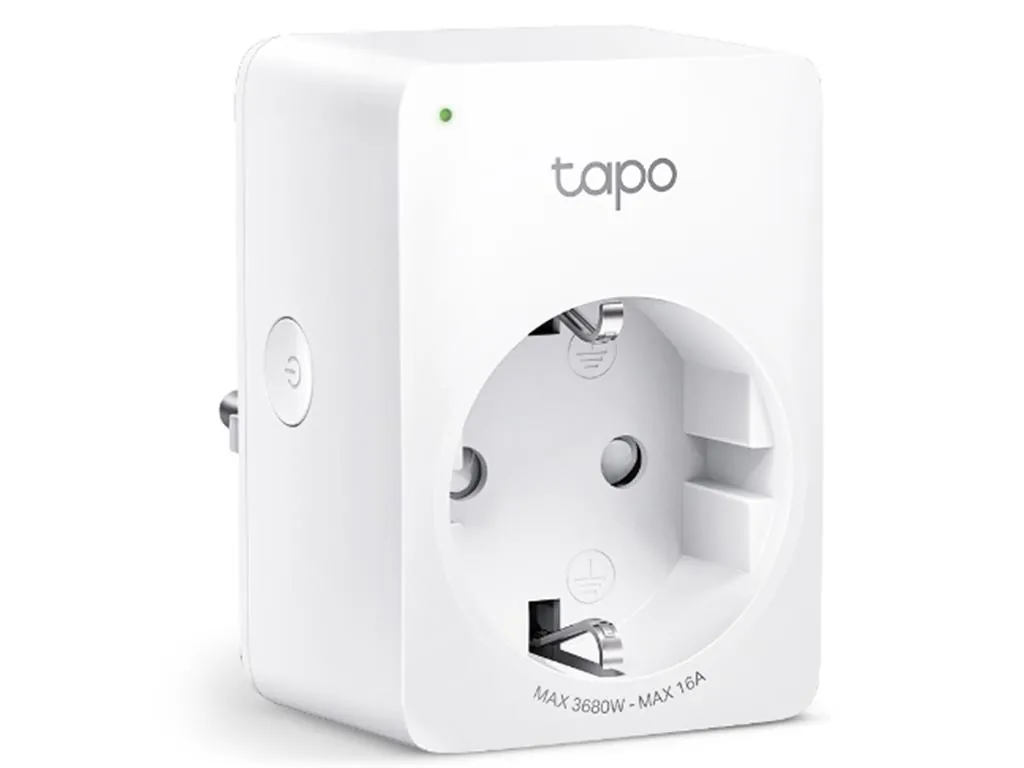
Smart plugs are no longer just for turning off lamps or tracking energy usage. They are quickly becoming essential troubleshooting tools for tech enthusiasts trying to keep their home networks online.
By connecting a smart plug directly to a glitchy router or a home lab server, you can trigger a remote power-cycle without physically walking over to pull the cord. You can even set up automated hard reboots to instantly resolve dropped internet connections when you are away from home. This simple setup easily isolates faulty power components and recovers locked-up network hardware stuffed in hard-to-reach closets.
This hardware strategy gained sudden urgency following a major industry contraction. Belkin recently decided to sunset its cloud support, shutting down Wemo servers entirely. That end-of-life event rendered millions of popular legacy smart plugs completely unresponsive for average users.
That specific shutdown pushed the tech community to completely rethink their smart home infrastructure. Users are now heavily favoring local-control platforms like Home Assistant and Matter-compatible hardware, such as the TP-Link Tapo line. Keeping control local ensures that your emergency troubleshooting plug will actually work during an internet outage or a manufacturer server shutdown.
Why Local Control Protects Hardware Investments
The sudden death of Wemo cloud servers highlights a persistent flaw in consumer tech infrastructure. When hardware functionality relies entirely on a manufacturer’s remote server, the device has a hidden expiration date. Moving to local network control breaks that dependency completely.
Using protocols like Matter or locally hosted software like Home Assistant means a plug executes commands directly across your home network. If your ISP goes down, your local Wi-Fi router still routes the reboot command to the plug. This localized setup transforms a cheap, off-the-shelf accessory into a reliable, permanent IT tool that outlives the manufacturer’s product support cycle.