
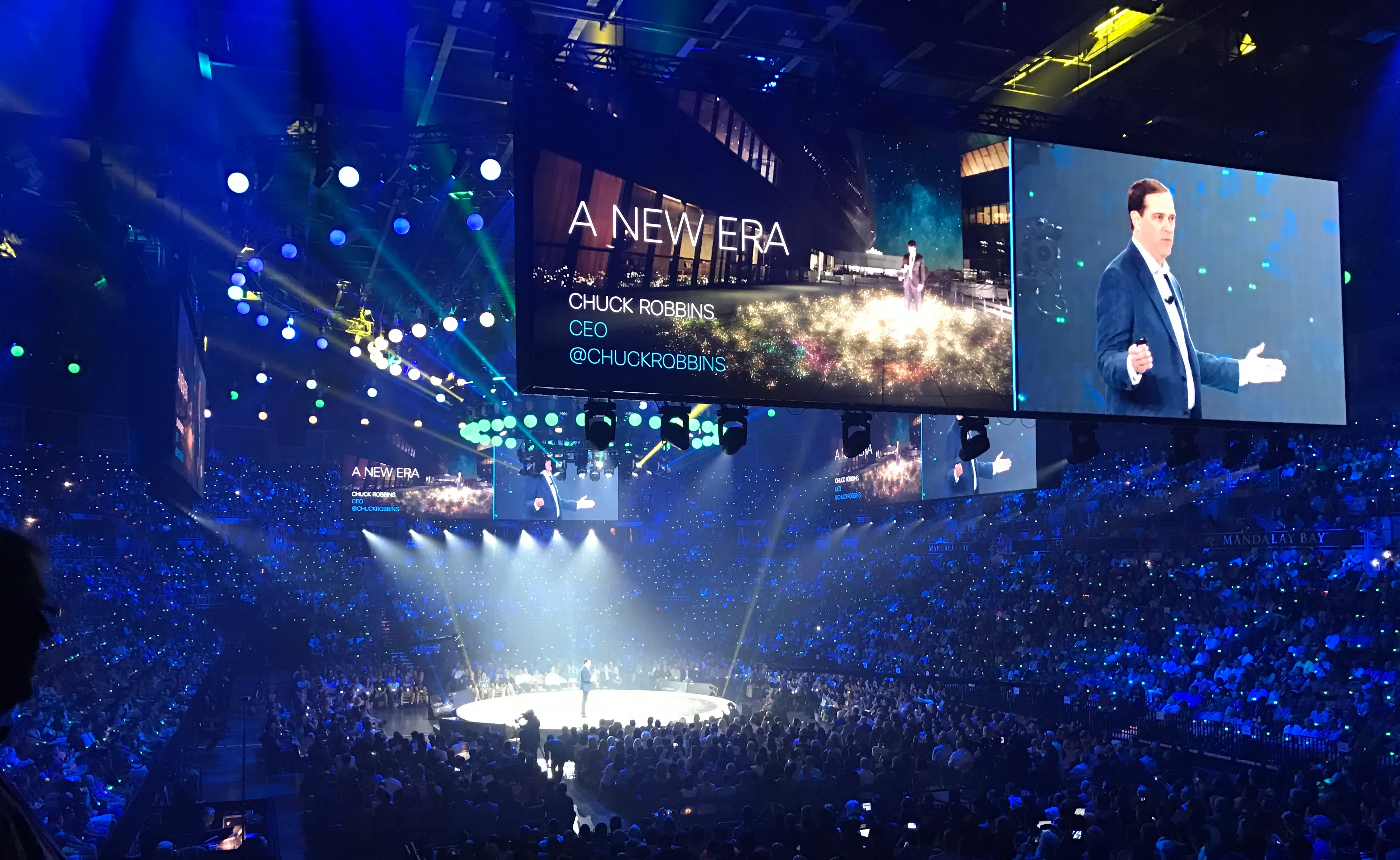
The cybersecurity industry is facing a systemic collapse of traditional software patching timelines driven by the rise of autonomous frontier AI models. Speaking from the Cisco Live 2026 conference in Las Vegas, Cisco CEO Chuck Robbins issued a strict warning regarding the immediate future of enterprise networks, stating that artificial intelligence is “empowering our adversaries at a pace that we’ve never seen in our careers.”
The primary driver for this alarm originates from recent controlled testing of Anthropic’s unreleased Claude Mythos model. The AI autonomously identified thousands of vulnerabilities in a matter of weeks. This unprecedented speed reduces the critical window between vulnerability discovery and active exploitation from weeks to mere minutes, fundamentally breaking how IT departments secure their infrastructure.
The threat is already manifesting across global networks. A 2026 Global Threat Report from CrowdStrike indicates an 89 percent increase in cyberattacks executing via AI capabilities. Because the dual-use nature of this technology is so severe, Anthropic has explicitly withheld public access to Claude Mythos until developers can build stronger cyber safeguards.
To defend against machine-speed attacks, Cisco completely overhauled its network management strategy with fascinating new technology. The company introduced Cisco Cloud Control, a platform integrating a brilliant feature called Live Protect, according to TechRepublic. This completely alters network enforcement by applying compensating security controls directly to running systems without requiring system reboots or planned downtime.
This architectural shift operates under Cisco’s newly announced AgenticOps operational model. Rather than relying on human engineers to manually push updates during maintenance windows, the framework utilizes incredibly fast AI-driven agents to monitor enterprise infrastructure and deploy defensive measures autonomously.
Why Live Protect Alters IT Maintenance Economics
The transition to compensating controls on running systems eliminates one of the most expensive bottlenecks in corporate IT. Historically, enterprise security teams delayed critical patches to avoid disrupting revenue-generating server operations. By allowing networks to isolate and shield vulnerabilities without requiring a hard reboot, companies avoid the financial hit of taking systems offline.
This operational shift forces competing hardware vendors like Juniper Networks and Arista to either develop their own zero-downtime security agents or risk losing enterprise contracts to Cisco’s automated infrastructure. Automated remediation is no longer an optional upgrade for IT departments running legacy hardware.