
Typecasting is the industry practice of repeatedly assigning an actor to the same type of role based on their previous successes, physical appearance, voice, or mannerisms. When a performer plays a specific kind of character perfectly, studios naturally want them to repeat that exact performance in future projects. This shapes everything from their bank account to their mental health.
You see this all the time. An actor breaks out as a comedic sidekick, and suddenly, they are only offered comedic sidekick roles for the next decade. Casting directors rely on this method because it works. But for the actors actually living through it, being pigeonholed is a complicated experience.
Some actors build massive empires inside their designated boxes. Others spend their entire professional lives trying to break out.
The Mechanics of the Hollywood Pigeonhole
To understand how this works, you have to look at the money. From a production standpoint, casting directors rely on typecasting because it capitalizes on proven formulas. Making a movie or television show costs millions of dollars. Utilizing recognizable actors in expected roles guarantees a certain level of audience appeal and mitigates financial risk for the studio.
Performers are frequently locked into universally recognizable categories. These include the Hero, the Villain, the Comic Relief, the Romantic Lead, or the Everyman. Casting directors use these archetypes as a shorthand to quickly signal to the audience what kind of movie they are watching.
Jim Carrey is a classic example. His physical, high-energy performances locked him into the Comic Relief archetype early on. Audiences expected a very specific kind of frantic energy from him. On the other end of the spectrum, Ralph Fiennes frequently falls into the Villain category. The industry knows these actors can deliver exactly what is required for these specific molds.
The Upside: Financial Stability and Brand Power
There is a reason many actors happily lean into their specific “type.” Identifying an actor’s specific type—whether that is the ingénue, the bad boy, or the nerd—allows them to aggressively market themselves. When a casting director needs a specific look, an actor who perfectly matches that stereotype has an immediate advantage over someone who is harder to categorize.
In a highly volatile industry, being typecast ensures a predictable stream of roles. Actors who become the “go-to” for a specific character type often enjoy job security and financial stability that most working actors never achieve. They know exactly what they are selling, and the studios know exactly what they are buying.
Sometimes, this leads to a permanent association with a specific brand. Patrick Stewart famously embraced his typecasting after his time on Star Trek: The Next Generation. Though a prominent director once questioned why he would want “Captain Picard” in his movie, Stewart found continued success in similar leadership roles, most notably as Professor X in the X-Men films. Stewart plainly stated his reality: “I don’t have a film career. I have a franchise career.”
Other performers build highly successful careers within restrictive genre boundaries. Jason Statham and Vin Diesel utilized action-heavy typecasting to cement themselves as historic genre icons. They do not try to reinvent themselves in independent romantic comedies. They deliver the action roles their audiences demand, and the studios compensate them extremely well for it.
The Career Traps: Burnout and Aging Out
Relying too heavily on a single character trope can eventually alienate audiences. This creates the “Déjà Vu” effect. If an actor fails to introduce subtle variations into their performances, viewers lose interest in seeing the exact same character in different films. The audience gets bored, and the box office returns drop.
Typecasting becomes a severe liability when an actor’s brand is tied to a fleeting physical trait. Think about child stars or actors who specialize in playing high school students. An actor heavily typecast as an “awkward teenager,” such as Michael Cera in his early career, faces a difficult transition when they reach their 30s. They no longer fit the visual requirements of their established niche, but audiences struggle to accept them as adults.
Repeatedly playing the same roles also stifles an actor’s creative growth. Performers often experience burnout and frustration when they are denied the opportunity to tackle complex, multifaceted characters that stretch their acting abilities. They go to work playing the exact same beats they played five years ago, which drains the creative energy required to act.
Breaking the Box: Case Studies in Reinvention
Breaking out of a typecast is historically difficult. The original 1966 Star Trek cast provides a prime example of severe typecasting. Actors like Walter Koenig and DeForest Kelley experienced extreme difficulty finding non-sci-fi work after the show ended. However, they found another path. Historical examples of typecasting, including the financial and career impacts on the original Star Trek cast, show how actors capitalized on their typecast through lucrative convention appearances and eventual feature films. They turned a career roadblock into long-term financial gain.
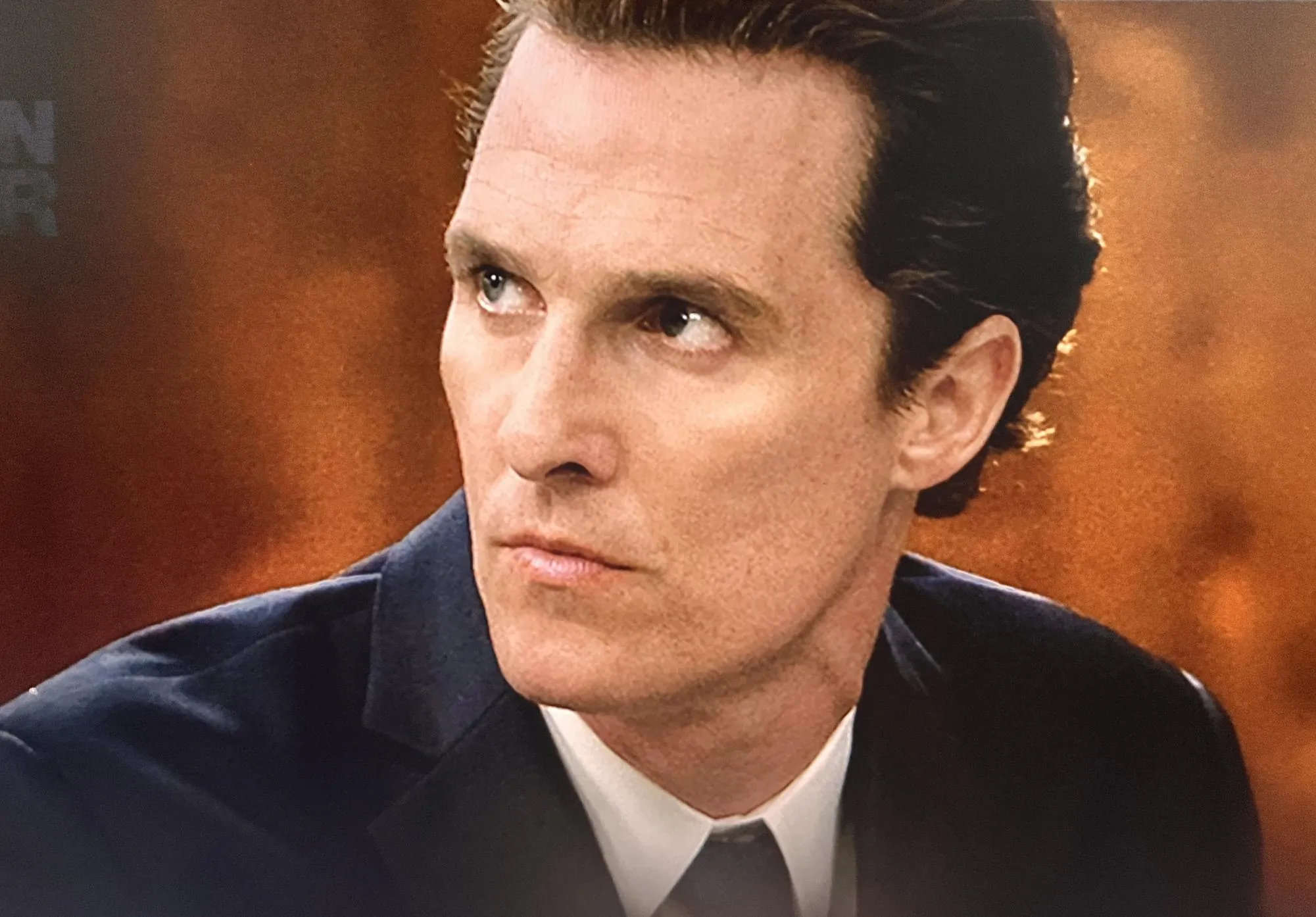
Matthew McConaughey is the modern blueprint for escaping a typecast entirely. He was long pigeonholed as the hunky romantic-comedy lead in the 2000s. He then strategically pivoted to complex, gritty roles in projects like Dallas Buyers Club and True Detective. This successful reinvention won him an Academy Award and completely altered his career trajectory. Today, there are strategic ways actors can overcome being pigeonholed, and agencies look at the “McConaissance” as the ideal case study.
Talent agencies in 2026 emphasize strategic planning to break these molds. This includes continuous skill training, altering physical appearances, and being highly selective with projects. Actors must deliberately turn down the easy money of their standard roles to slowly reshape their narrative in the industry.
The Broader Impact: Sustaining Industry Stereotypes
On a macro level, typecasting enforces rigid societal stereotypes based on gender, age, and ethnicity. It severely limits diversity and inclusivity in entertainment by dictating who is authorized to tell certain stories. When studios rely on old archetypes, they recycle old prejudices.
Typecasting contributes heavily to systemic discrimination. Historically, minority actors have frequently been sidelined into highly restrictive, stereotypical tropes. Black actors, for instance, have often been relegated to roles like “the sassy best friend,” “the thug,” or domestic characters designed merely to support white leads. An examination of how industry typecasting contributes to racial stereotyping makes it clear that the practice actively restricts diverse representation on screen.
The pressure to fit into specific demographic “boxes” created by the industry also takes a mental toll on performers. Being reduced to one’s physical appearance rather than actual talent can lead to imposter syndrome, anxiety, and depression among performing artists. They are told every day that their physical shell is their only valuable asset, which wears down their psychological health over time.
Where to Watch / How to Access
If you want to see exactly how these career trajectories play out on screen, you can track the evolution of these actors across major streaming platforms.
- The McConaissance: Watch Matthew McConaughey’s transition by comparing his 2003 rom-com How to Lose a Guy in 10 Days with his gritty 2014 performance in the first season of HBO’s True Detective. You can clearly see the strategic shift in the roles he accepted.
- The Franchise Career: Patrick Stewart’s career is highly visible across multiple streaming services. Compare his initial run as Captain Picard in Star Trek: The Next Generation to his later work as Professor X in the 2000 X-Men film. The leadership archetype remains identical across completely different fictional universes.
- The Action Niche: Jason Statham’s career path is perfectly documented in the Fast & Furious franchise and The Transporter series. He found his lane and maximized it.
What Critics and Fans Are Saying
Fans generally celebrate when an actor successfully breaks their typecast. Audiences love a comeback story, and watching a performer display hidden talents often revitalizes public interest in their career. The public reaction to Matthew McConaughey’s pivot was overwhelmingly positive because it felt like discovering a new actor entirely.
Critics frequently point out the fatigue associated with strict typecasting. Reviewers often dock points from films that rely too heavily on lazy casting tropes, noting when an actor feels like they are simply sleepwalking through a role they have played ten times before. The consensus among pop-culture commentators is that while typecasting makes financial sense for studios, it often results in uninspired, repetitive cinema.
There is also growing pushback from audiences regarding racial and gender profiling in casting. Modern viewers are quick to call out studios on social media when minority actors are pushed into tired, stereotypical supporting roles. The demand for authentic, multifaceted representation continues to challenge the traditional reliance on old Hollywood archetypes.
Frequently Asked Questions
What is the definition of typecasting in acting?
Typecasting is the practice of repeatedly assigning an actor to a specific kind of role or character type. This is usually based on the actor’s physical appearance, previous successful performances, or specific personality traits and mannerisms.
Why do casting directors typecast actors?
Casting directors use typecasting as a commercial safety net. Audiences respond well to familiar faces in expected roles, which helps guarantee financial success. It also allows casting directors to quickly identify performers whose established brand perfectly matches the visual and tonal requirements of a script.
Can typecasting ruin an actor’s career?
It can severely restrict a career, though “ruin” is subjective. If an actor’s typecast is tied to their youth, they may struggle to find work as they age. Additionally, being boxed into a single archetype can prevent an actor from showcasing their true range, leading to creative burnout and missed opportunities for more diverse roles.
How can an actor break out of being typecast?
Actors can overcome typecasting by diversifying their skills, strategically altering their physical appearance, and becoming highly selective about the projects they accept. Deliberately choosing smaller, independent projects that showcase a different acting range—much like Matthew McConaughey’s pivot from rom-coms to gritty cinema—is a proven strategy for changing industry perception.