
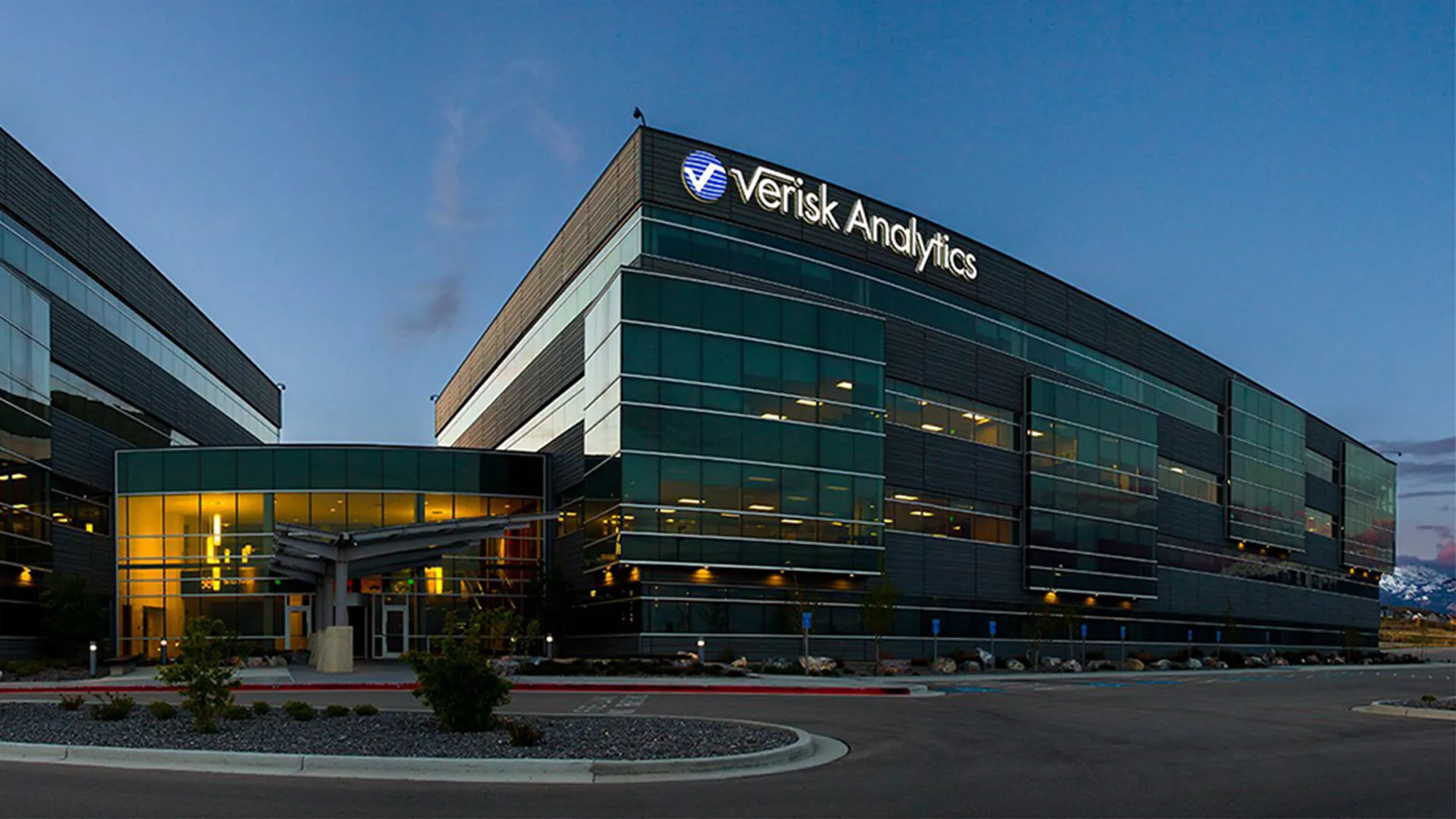
A structural disruption across the software-as-a-service industry is triggering sharp declines for legacy data providers as frontier artificial intelligence labs commercialize technology that threatens traditional subscription structures. Inside this broader market correction, shares of Verisk Analytics fell nearly 50% from their record highs over the past year. Wall Street investors sell off equities due to fears that generative systems will quickly turn proprietary corporate records into cheap commodities.
The selling pressure challenges long-held beliefs that specialized datasets provide absolute protection against technological shifts. Industry assessments on vertical SaaS durability reveal that AI-native tools can often bypass traditional data infrastructure by partnering with specialized third-party providers. This shift leaves established firms vulnerable despite decades of market control.
Regulatory Architecture and Core Assets
Verisk Analytics maintains a substantial asset foundation consisting of 39 billion statistical records covering 143 million properties across the United States. These proprietary databases form the basis of the software tools that insurance firms use to assess risk and calculate premium rates. The data collection took decades to build, making duplication difficult for newer technology firms.
Compliance structures create high switching costs for existing clients. Verisk operates as a licensed statistical agent for insurance regulators across all 50 U.S. states. Because insurance companies must submit standardized, auditable data to state authorities to justify rate changes, Verisk solutions remain integrated into standard compliance procedures.
Internal Automation and AI Defensive Strategy
To defend its market position, Verisk launched internal automation initiatives over the last year. The company introduced its GenAI Commercial Underwriting Assistant alongside XactAI claims tools to increase processing speed. These additions seek to update traditional workflows before external AI platforms can capture market share.
Corporate adjustments include narrow specialization within the insurance industry. The enterprise completed the divestiture of its energy division to focus resources entirely on property and casualty data analytics. This structural realignment concentrates company capital on the specific sector where its regulatory integration is strongest.
New partnerships look to embed advanced language models directly into established workflows. Corporate records highlight specific Anthropic’s Claude models working inside the insurance ecosystem to accelerate underwriting decisions under human supervision. The strategy pairs proprietary records with third-party tools to block standalone AI applications from offering independent alternatives to carriers.
How Regulatory Validation Insulates Specialized Insurers
State insurance mandates offer an insulation layer that traditional software firms lack. While open-source language models can analyze general text, they cannot legally substitute for the authorized data sets required by state insurance commissioners. This operational necessity prevents insurance carriers from entirely abandoning licensed data utilities for unvalidated AI alternatives.