
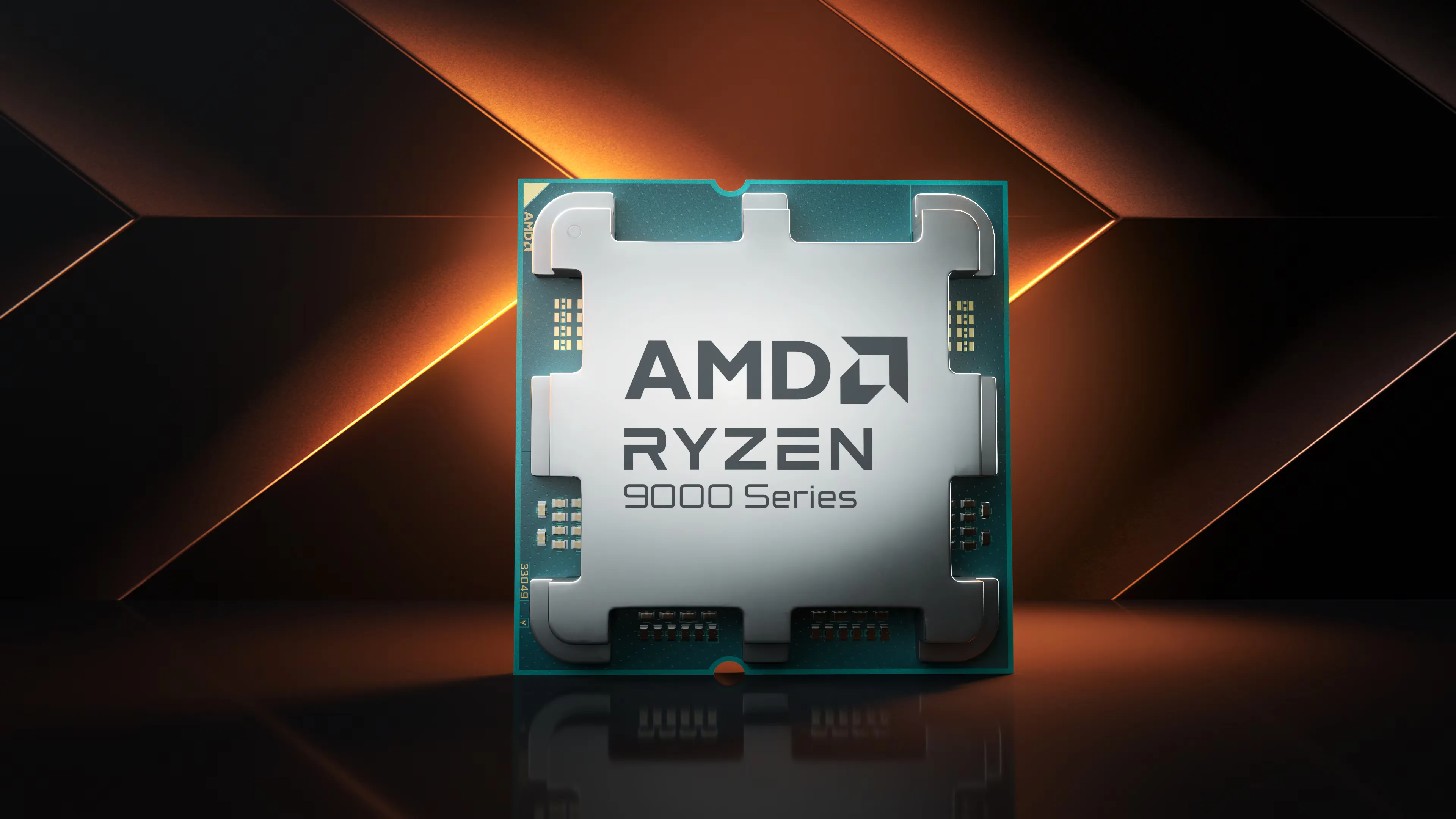
The PC building market is currently suffocating under the weight of soaring DDR5 memory prices and expensive motherboard tiers. Right in the middle of this hardware crunch, AMD is facing an incredibly unique internal problem. Millions of gamers are perfectly happy with their older AM4 processors, specifically those armed with 3D V-Cache technology like the Ryzen 7 5800X3D, and they are flat-out refusing to buy into the newer AM5 platform.
Upgrading to the AM5 socket isn’t just a matter of dropping in a new chip. Builders have to start entirely from scratch, purchasing a new processor, a compatible motherboard, and the required DDR5 RAM. At higher, GPU-bound gaming resolutions like 1440p and 4K, the performance gap between the older 5800X3D and newer chips simply isn’t wide enough to justify that steep financial hurdle, according to a recent editorial analysis from XDA Developers evaluating the financial friction of the upgrade path. Gamers are doing the math and realizing their older setups are still handling modern titles beautifully.
We rarely see hardware age this gracefully. The AM4 socket launched a decade ago in 2016 and supported multiple generations of processors. By rewarding its long-term user base with highly capable end-of-lifecycle chips like the 5700X3D, AMD secured intense brand loyalty. The side effect is that they successfully cannibalized their own potential early adopters for the newer Zen 4 and Zen 5 ecosystem.
How Intel’s Upcoming Nova Lake Architecture Threatens AMD Amid Stagnation
This internal stagnation for AMD’s AM5 adoption is happening at a highly vulnerable moment. While millions of PC builders sit comfortably on their AM4 systems, Intel is gearing up for a major counteroffensive.
Team Blue is actively developing its upcoming Nova Lake processors, which are rumored to introduce large Cache-Tile designs specifically engineered to dethrone AMD’s gaming dominance, a strategy targeting the high-end upgrade market that AMD currently relies on. If AM4 users wait long enough without moving to AM5, Intel’s next-generation architecture could give them a completely different reason to finally rebuild their rigs. The incredible longevity of the AM4 socket might go down as the most consumer-friendly move in modern PC history, but it leaves AMD exposed to competitors ready to capture gamers holding onto their cash.