
If your PC sounds like a jet engine under heavy gaming loads, your first instinct is probably to buy a better case. Builders frequently spend $130 or more on flashy dual-chamber chassis designs to improve system airflow. Swapping a case requires gutting your entire system, removing the motherboard, and spending hours rebuilding from scratch.
A recent hardware editorial from XDA Developers points out that a simple $15 fan controller, like the ARCTIC Case Fan Hub, solves the root problem much faster. The real issue with a loud, hot PC usually comes down to uncoordinated hardware fighting against itself.
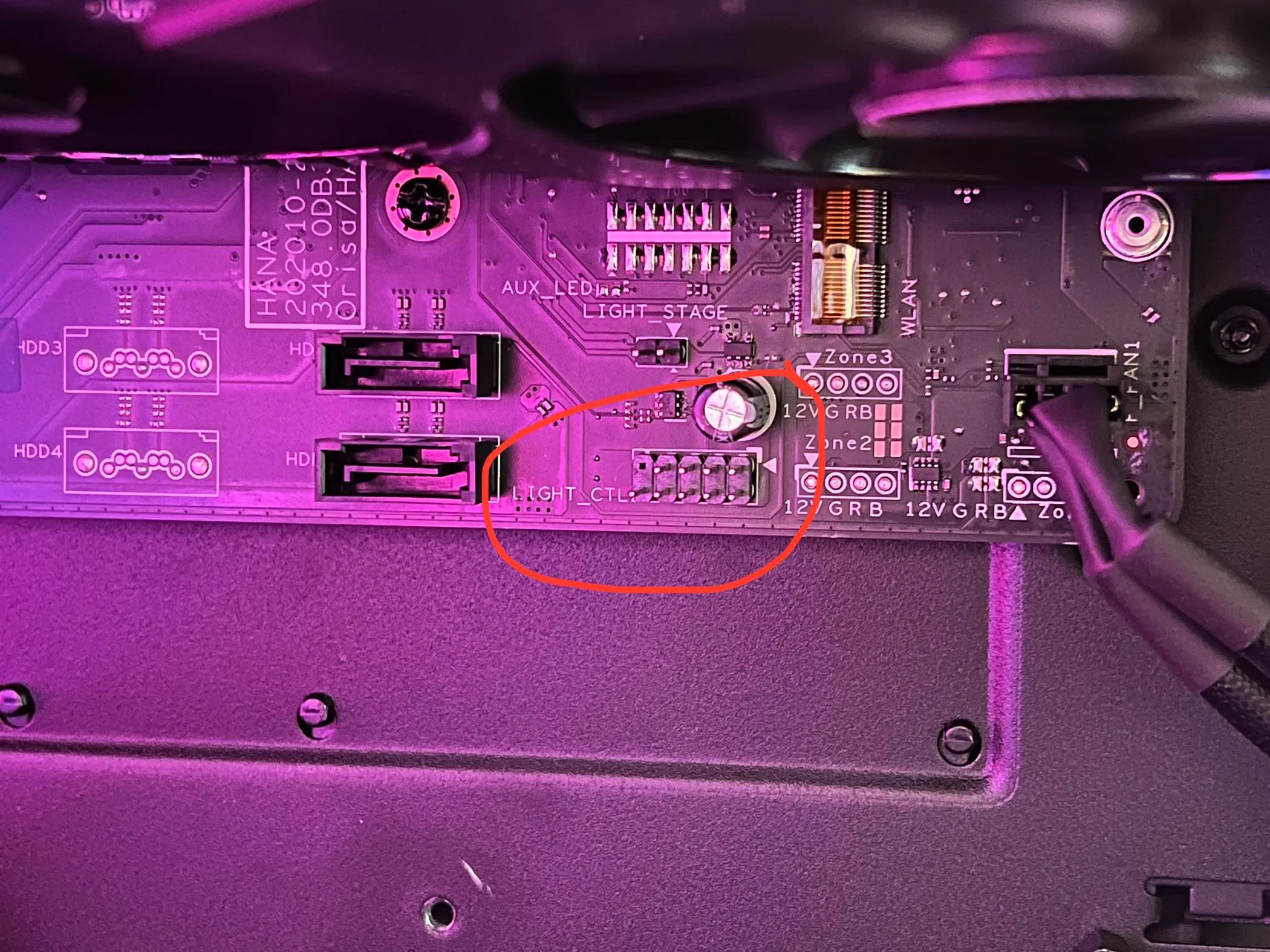
The Problem with Motherboard Headers
Modern PC builders constantly piece together different fan ecosystems. You might have a pair of high-static intake fans from one company and standard exhaust fans from another. This creates a headache of acoustic and software issues caused by mixing different PC fan brands in a single case.
Different motors respond to motherboard PWM signals completely differently. One fan might spin at 800 RPM while another ramps up to 1500 RPM on the exact same duty cycle. Relying on default motherboard fan headers leaves you with unpredictable noise spikes and uneven cooling performance.
Plugging everything into a single $15 hub bypasses the unreliable motherboard ports entirely. It centralizes the power delivery and signal inputs so your fan-control software can apply a clean, unified cooling curve across the entire chassis. You get precise control over the acoustics without having to keep three different proprietary background apps running just to sync your hardware.
Why Sensible Hardware Upgrades Are Winning Out
The enthusiast PC market spent the last few years prioritizing expensive AIO liquid coolers and panoramic glass cases. We are starting to see a pushback toward practical cooling fundamentals. Builders are realizing that optimizing their existing airflow curves with cheap controllers or high-quality air coolers provides near-identical thermal limits for a fraction of the cost.
The ARCTIC hub proves that hardware logic and centralized power distribution matter more than physical case volume. Your PC parts do not necessarily need a bigger glass box to breathe. They just need strict, unified instructions telling the fans exactly when and how fast to spin.