
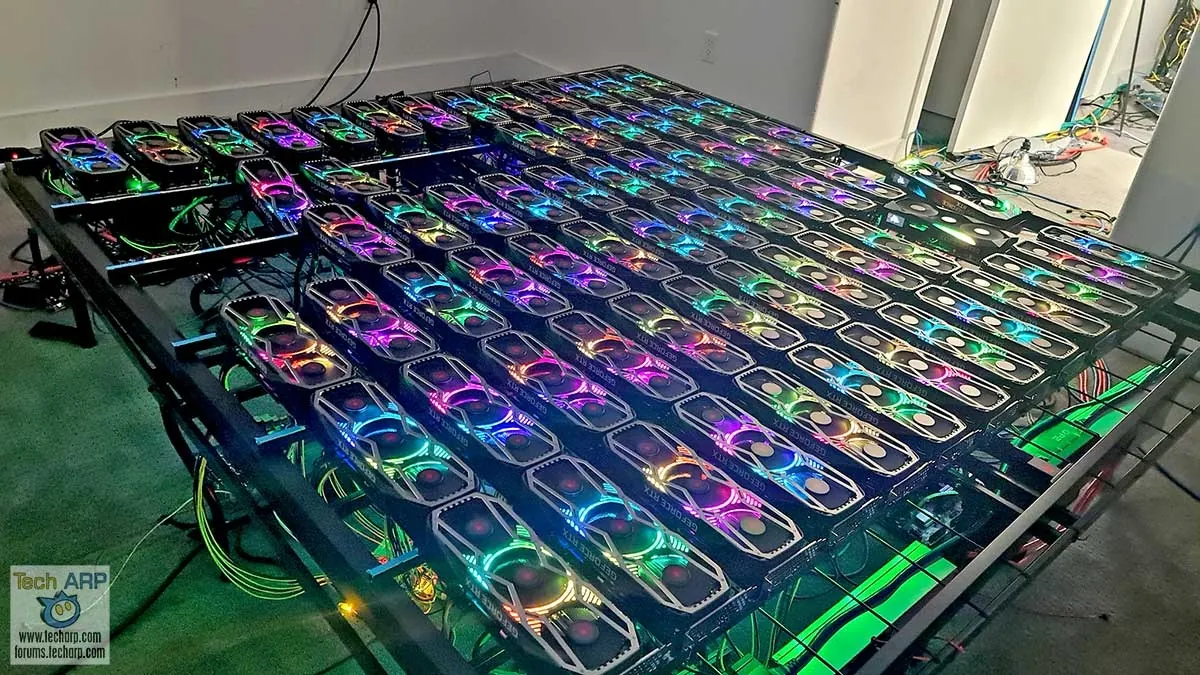
The economics of securing the Bitcoin network are fundamentally breaking in 2026. A combination of stubborn global inflation, deleveraging pressures, and a 31 percent drop from the asset’s $125,000 all-time high has pushed the weighted average cash cost to produce a single Bitcoin to nearly $79,995. Faced with these suffocating margins, public mining firms are rapidly abandoning crypto operations to retrofit their facilities into high-performance computing centers for the artificial intelligence sector.
According to a mid-year update from Fidelity Digital Assets, the network’s 30-day average hash rate and mining difficulty have fallen roughly 8 to 9 percent from their recent peaks. Miners are actively throttling their rigs and liquidating heavy treasury reserves to finance the costly transition to AI infrastructure, where profit margins can exceed 80 percent.
The industry is fracturing as operators chase highly predictable cash flows. Firms including Core Scientific, TeraWulf, and Hut 8 have already secured over $70 billion in cumulative AI contracts. To fund the necessary hardware retrofits, public miners have dumped heavily from their peak levels, with MARA alone recently liquidating over 15,133 tokens.
Hashprice, the core metric for miner revenue, has collapsed to a low of $28 to $30 per petahash per day. The resulting profit squeeze has forced a structural retooling of the entire industry, a shift Fidelity attributes to liquidation-driven deleveraging and persistent geopolitical shocks that have kept interest rates tight. Despite Bitcoin trading down 13 percent year-to-date at roughly $86,000, institutional demand for spot options and Wall Street tokenization remains resilient.
How Wall Street Contracts Are Redefining Network Security
The rapid conversion of crypto facilities into AI data centers marks a permanent transition in digital asset infrastructure. For the first time, publicly traded mining corporations are projected to derive up to 70 percent of their total revenue from artificial intelligence operations by the end of the year. This effectively demotes Bitcoin network security to a secondary business function for the industry’s largest players.
By prioritizing 80 percent margin AI workloads over volatile block rewards, these companies are insulating their balance sheets from crypto market cycles. The network will increasingly rely on smaller, privately held operators or energy conglomerates using stranded power to maintain the hash rate, fundamentally altering the decentralized hardware ecosystem.