
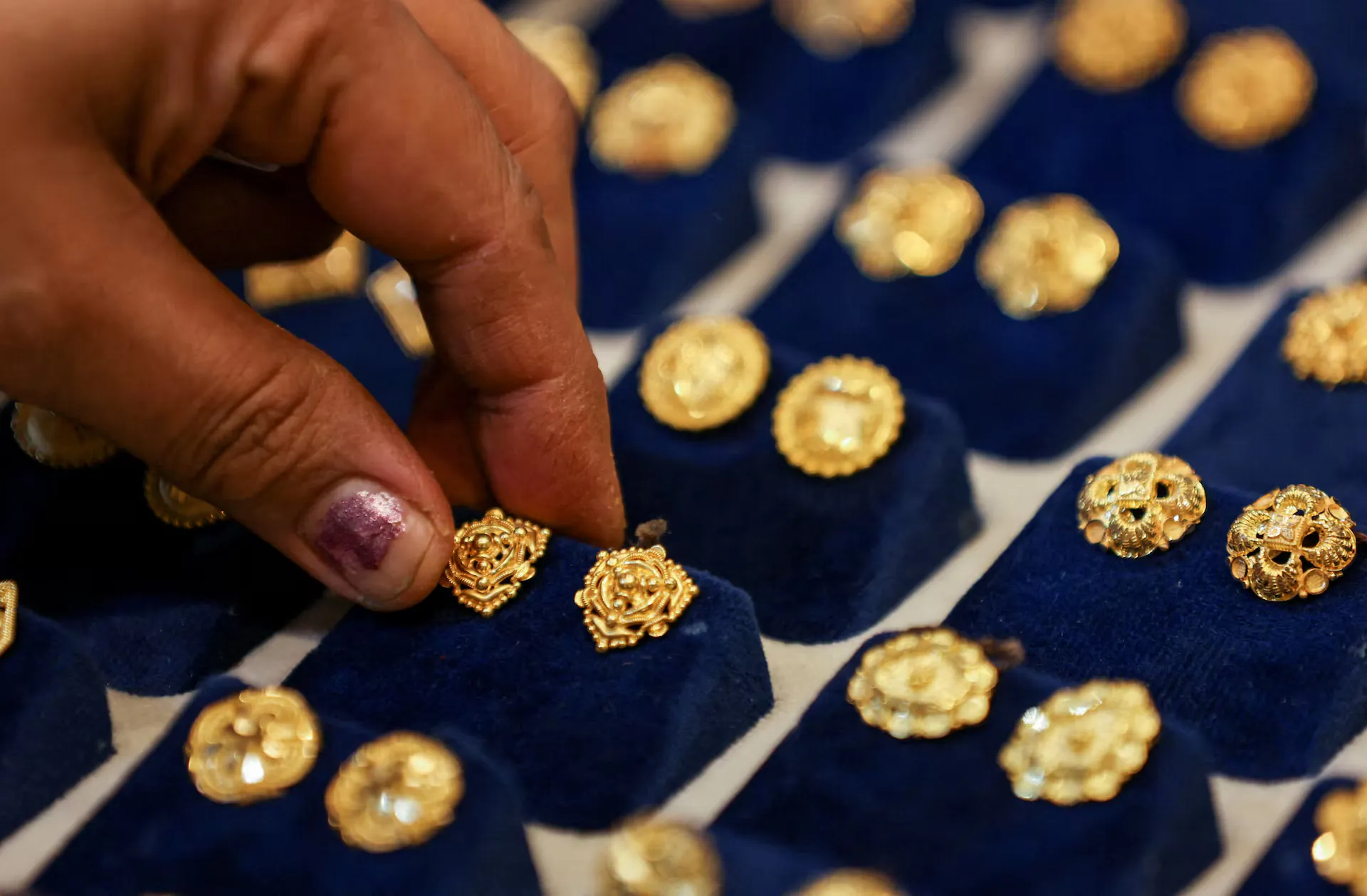
Domestic gold prices in India are projected to trade between Rs 1,50,000 and Rs 1,80,000 per 10 grams for the rest of 2026. This projection comes amid a 7% depreciation of the Indian Rupee and rising international rates tied to safe-haven asset reallocations following the West Asian conflict earlier this year. Physical demand constraints across domestic markets also continue to influence asset valuations.
The pricing projections extend into the following year, with bullion values expected to climb further. Financial models show a predicted range between Rs 1,60,000 and Rs 1,90,000 per 10 grams by 2027.
ICICI Bank Global Markets Projections
According to the ICICI Bank Global Markets report, the domestic bullion market has already gained approximately 20% year-to-date in 2026. The institution based its baseline valuation model on an average USD/INR exchange rate of 96.00 for the current calendar year. Furthermore, the estimate assumes an international gold price averaging USD 4,700 per troy ounce throughout the remaining months of 2026.
The domestic market is also adjusting to recent tax regulatory updates. Local commodity values absorbed a near-term 2% to 3% price fluctuation following the implementation of a customs duty hike from 6% to 15% which went into effect on May 13, 2026.
Global Investment Bank Variations
Other global financial institutions issued parallel projections for the precious metal during this period. J.P. Morgan updated its year-end target, stating international bullion prices could position between USD 6,000 and USD 6,300 per troy ounce. Concurrently, Goldman Sachs maintained its commodity price target at USD 5,400 per troy ounce.
The current trading patterns contrast with market movements observed during the opening quarter of the year. Following the outbreak of the West Asian conflict on February 28, 2026, gold values recorded a temporary decline of nearly 15%. This contraction occurred due to the commodity’s negative correlation with the strengthening US Dollar index, before domestic structural factors corrected the trajectory.