
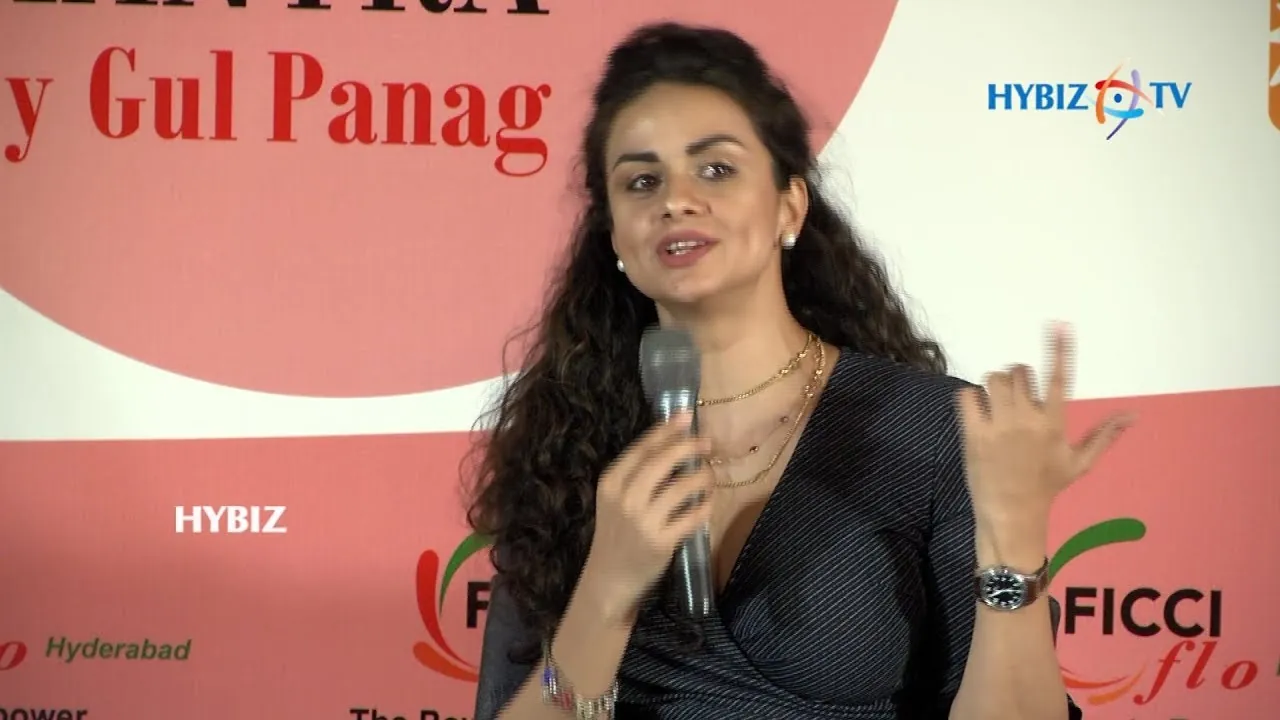
Bollywood actress Gul Panag publicly criticized popular YouTuber Dhruv Rathee after he made a controversial statement about Prime Minister Narendra Modi. Rathee stated on social media that the Prime Minister should face humiliation wherever he travels globally following a recent diplomatic event. This clash occurred amid a wider international discussion surrounding a press briefing during the Prime Minister’s recent trip to Norway.
The online confrontation began when Rathee posted his remarks online following a viral interaction where a Norwegian journalist questioned the Indian leader about press freedom. Panag quickly noticed the comment and responded directly to express her strong disagreement. She wrote that the statement was not cool and laid down clear boundaries regarding political opposition outside the country.
Panag pointed out that while citizens have the absolute right to dislike the Prime Minister or oppose the government, degrading the highest office of the nation on foreign soil is unacceptable. She explained that making a mockery of the position internationally diminishes the institution itself. According to Gul Panag, weakening the respect for the Prime Minister’s office ultimately hurts all Indians as a collective group rather than just targeting one political figure.
The initial spark for the entire dispute was an incident during a joint press briefing with Norwegian Prime Minister Jonas Gahr Store. A reporter named Helle Lyng shouted a question directed at Modi regarding why he does not regularly take questions from the press. The video of the exchange quickly circulated across various platforms, which led to Rathee’s post and the subsequent viral row.
Many observers found Panag’s intervention unexpected because she has frequently been a vocal critic of the ruling government and its policies in the past. Her stance triggered a widespread social media debate about where political disagreement should stop and national pride should begin. Internet users remain sharply divided between supporting her perspective on institutional respect and defending Rathee’s right to harsh political commentary.