
Global conflicts frequently threaten the flow of oil through major international shipping lanes, leading nations to rely on state-controlled energy buffers. When wars disrupt oil production or block transit choke points, governments use emergency crude stockpiles to protect their economies. But understanding how do strategic petroleum reserves work during a global conflict requires a look at both their physical deployment and their market impact. These reserves act as national insurance policies. They flow directly into the commercial market to replace lost supplies, soothe panic among commodity traders, and keep consumer energy costs from spiraling out of control.
The primary goal of these stockpiles is not to make a commercial profit. Instead, governments hold millions of barrels of oil to ensure that public infrastructure, emergency services, and basic industrial production do not grind to a halt during an international crisis. When normal supply lines break down, a sudden shortage can trigger instant economic panic. By releasing oil systematically, states can bridge the gap between the start of a conflict and the creation of alternative supply chains.
Background: How We Got Here
The idea of maintaining large, government-run oil stocks gained widespread traction after the 1973 Arab oil embargo. That crisis showed Western nations how vulnerable their economies were to sudden geopolitical shifts in the Middle East. The embargo led to long lines at gas stations, fuel rationing, and deep recessions. To prevent a repeat of this situation, major economies decided they needed a physical buffer that could shield them from future blockades or wars.
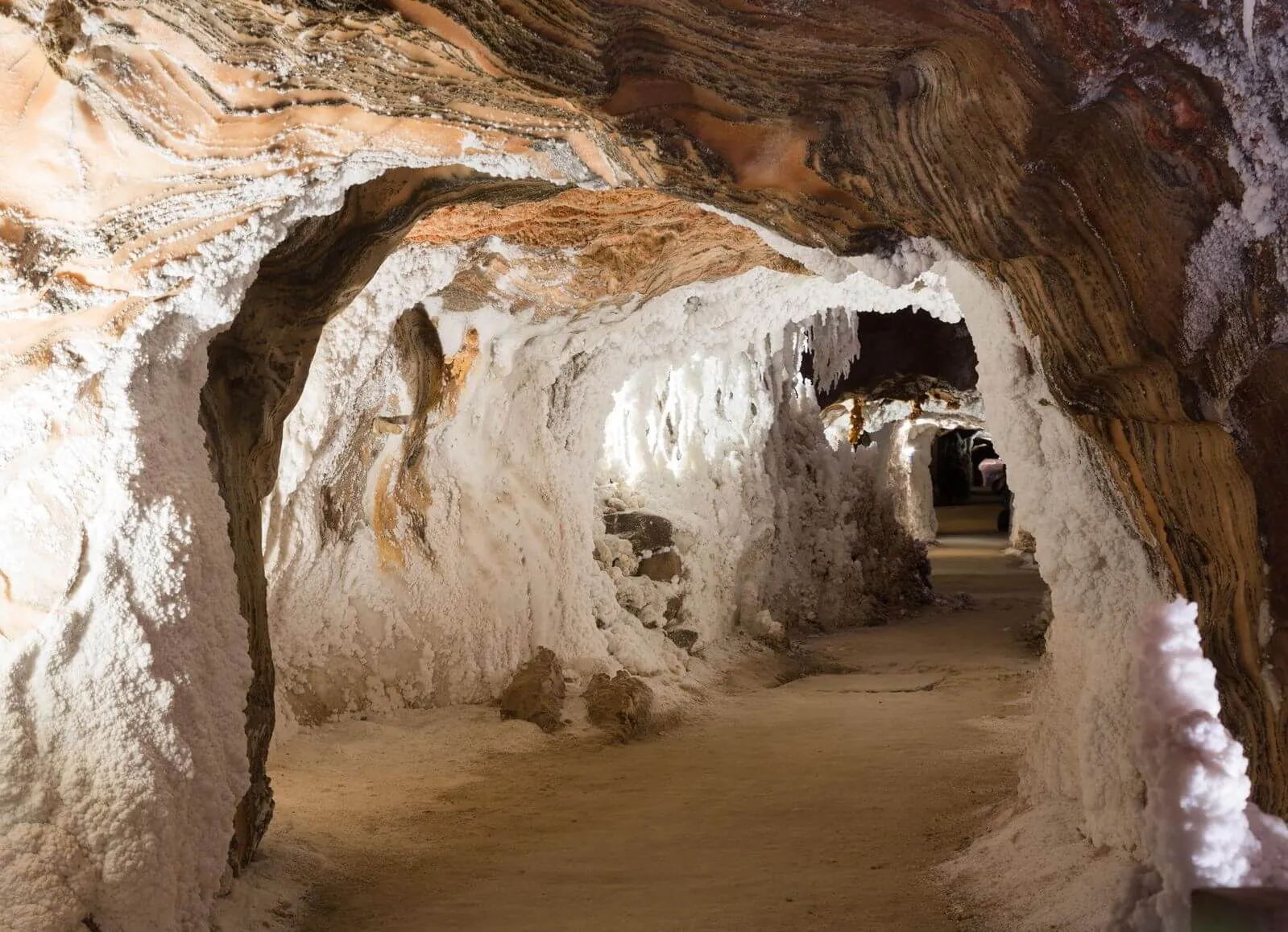
The construction of these facilities required unique engineering. Instead of using standard above-ground tanks, which are highly vulnerable to military attacks and expensive to maintain, countries built underground networks. In the United States, the government opted for deep underground salt domes along the Gulf Coast in Texas and Louisiana. These salt caverns are chemically secure, hold hundreds of millions of barrels, and keep the oil safe from weather and weapons at a low long-term cost.
Pumping oil out of deep underground salt domes is a complex technical process that relies on water displacement. The caverns do not have mechanical pumps sitting at the bottom of the oil pool. Instead, operators pump large amounts of fresh water down into the bottom of the cavern through a central pipe. Because oil is lighter than water, the water settles at the bottom and forces the crude oil upward through a separate outer pipe. This displacement method allows operators to extract millions of barrels quickly, but it requires an enormous, reliable supply of fresh water and open disposal systems for the leftover brine.
Over the decades, nations tapped into these reserves during several international emergencies. During the 1991 Gulf War, the invasion of Kuwait knocked out a large portion of global production, leading to an immediate coordinated draw-down of reserves. Later, in 2005, Hurricane Katrina damaged extraction platforms and refineries across the Gulf of Mexico. The government stepped in with emergency oil releases to keep domestic fuel systems running while crews repaired the physical infrastructure.
In recent years, the system faced heavy pressure due to intense regional fighting. The conflict in Ukraine caused a major shift in international supply, causing crude prices to climb past 120 dollars a barrel. More recently, escalating tensions in the Middle East led to severe transport blockages around the Strait of Hormuz. This situation removed roughly 15 million barrels of oil a day from global trade, creating the largest supply disruption in history. Amid this volatility, some nations worked on bilateral agreements to secure energy pacts to safeguard national interests, while others relied strictly on their domestic stockpiles.
Key Players and Stakeholders
Managing emergency fuel stocks requires cooperation between national leaders, international agencies, and private corporations. No single country acts completely in isolation when a global energy crisis hits. The decisions made by one nation directly impact fuel prices and availability on the other side of the planet. An analysis of how do strategic petroleum reserves work during a global conflict also shows that different nations use distinct legal frameworks to control their supplies.
At the state level, energy departments and executive offices hold the keys to the stockpiles. In America, the Department of Energy closely monitors market data and refinery needs. The president must give an official executive directive before any oil can leave the salt caverns. This strict rule ensures that the reserves are saved for genuine national security emergencies rather than everyday economic fluctuations.
On the global stage, the International Energy Agency plays a central coordinating role. The group consists of 32 member countries that work together to balance the energy market. When a major war breaks out, these nations do not randomly dump oil onto the market. Instead, they vote and operate by consensus to launch a unified release. According to a guide on emergency energy policies by Fast Company, this collective action prevents countries from competing against one another for scarce resources and maximizes the psychological impact on global commodity markets.
To be a member of the International Energy Agency, nations must follow strict domestic storage laws. Every member country is legally required to hold emergency oil stocks equivalent to at least 90 days of their net oil imports from the previous year. This rule ensures that if an international war completely halts shipping lines, the global alliance has a collective cushion large enough to sustain industrial activity for three months. Countries can meet this obligation either through direct government-owned stockpiles or by forcing private oil corporations to maintain mandatory commercial inventories that the state can seize during a crisis.
Major consuming nations outside of Western alliances also maintain substantial stocks. China and India have expanded their underground storage capacities significantly over the last two decades. During global shortages, these countries decide whether to release their own stocks or preserve them for prolonged domestic use. In recent collective actions, the United States contributed over 170 million barrels of crude, while Japan added around 80 million barrels to the global supply pool to help stabilize international trade.
Finally, private oil refiners and pipeline operators are critical stakeholders in this process. When a government authorizes a release, it does not sell fuel directly to citizens at gas stations. It invites private energy firms to participate in a competitive bidding process. The companies that offer the highest prices buy the crude oil, transport it through private pipeline networks, refine it into usable gasoline or diesel, and then distribute it to the public.
What’s at Stake
When considering how do strategic petroleum reserves work during a global conflict, the economic stability of the modern industrialized world is what hangs in the balance. Oil is not just fuel for passenger cars; it is the fundamental foundation for global logistics. Modern agricultural equipment runs on diesel, cargo ships rely on heavy fuel oil, and chemical plants use petroleum to manufacture plastics, fertilizers, and medications. A prolonged, unchecked spike in oil prices ripples through every single sector of the economy.
If a war permanently blocks a major shipping route like the Strait of Hormuz, the immediate loss of crude would cause fuel prices to double or triple within days without an intervention. This surge would trigger high inflation, increase the cost of food production, and force factories to lay off workers. Strategic reserves act as a temporary shield against these outcomes. They give businesses and governments a few weeks or months to adjust to the new geopolitical reality, alter their trade paths, or find alternative energy suppliers.
However, these emergency stockpiles are subject to strict limitations. They are a short-term band-aid, not a permanent solution to a structural energy deficit. A market update from Northern Trust notes that strategic reserves face hard mathematical boundaries, as a coordinated release of 400 million barrels can only sustain global consumption for roughly 20 days during a severe daily deficit of 20 million barrels. If a war lasts for years and completely destroys production facilities, the stockpiles will eventually empty out, leaving nations highly vulnerable.
Physical logistics create another major hurdle. The public often assumes that releasing oil has an immediate effect on gas prices. The reality is much slower. It takes about two weeks of physical work to pump crude out of underground caverns, push it through regional pipelines, deliver it to coastal refineries, and convert it into commercial products. If a government delays its decision to open the reserves during the start of a war, a severe domestic fuel shortage can still happen before the emergency supply arrives.
The financial burden of maintaining these systems is also a point of ongoing debate. Building and refilling these underground caverns requires billions of dollars in taxpayer funding. When a government releases oil during a high-priced crisis, it brings in significant revenue. But refilling those same caverns later requires buying oil back from the market. If prices stay high for a long time, replenishment becomes incredibly expensive, drawing criticism from fiscal analysts who argue the funds could be spent better elsewhere. Traders look closely at bond and commodity markets when emergency cushions run low and refilling them will take years of public spending.
Frequently Asked Questions
How do strategic petroleum reserves work during a global conflict to stop panic?
They stop market panic by providing a guaranteed, visible supply of crude oil when war cuts off normal trade routes. Commodity traders often bid oil prices up out of fear that fuel will disappear entirely. When governments announce a large, coordinated release from their stockpiles, it reassures the market that factories and transport systems will keep running, which forces speculative prices back down.
How long does it take for released reserve oil to reach gas stations?
It generally takes about two weeks for the physical crude oil to enter the commercial market after an official executive order is signed. The oil must be pumped out of deep underground caverns, sent through pipeline networks to regional refiners, processed into gasoline or diesel fuel, and then trucked to local distribution points.
Who actually buys the oil that is released from strategic reserves?
Private energy corporations, commercial refiners, and international trading firms buy the oil through a fast, competitive auction system managed by the government. The state does not distribute the fuel directly to consumers. Instead, private companies bid on the crude oil, refine it into commercial petroleum products, and sell it through standard commercial channels.
Can a country completely run out of its strategic petroleum reserves?
Yes. Because these reserves are physically limited by the size of their underground storage facilities, a prolonged global conflict that lasts for many months or years can empty them completely. If the stockpiles run dry before normal international trade routes reopen or alternative energy sources are built, nations face severe fuel rationing, high inflation, and deep industrial slowdowns.