
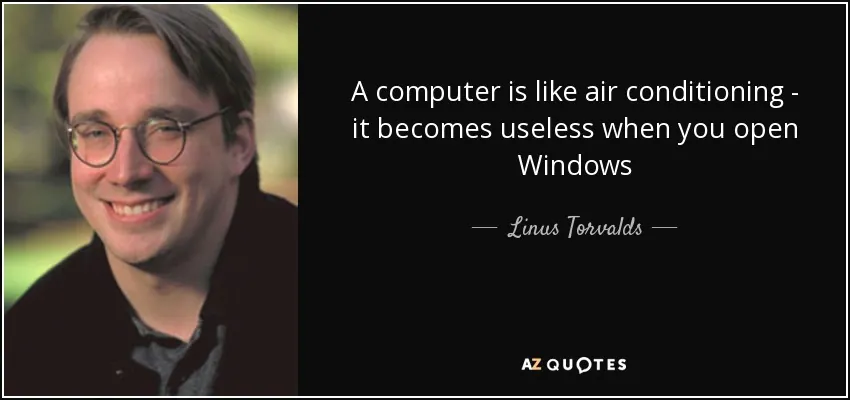
The open-source community is currently fighting over how artificial intelligence fits into software development without causing widespread human burnout. The debate reached a boiling point during the announcement of the fourth release candidate for Linux 7.1. Linux creator Linus Torvalds declared the project’s private security mailing list is “almost entirely unmanageable.”
The disruption comes from an influx of automated bug reports. Multiple independent researchers are using the exact same AI scanners and large language models to comb through the kernel codebase. They routinely find the exact same minor flaws. Because they submit these findings to the private security list, none of the researchers know that others already reported the issue.
This channel is traditionally reserved for severe, system-breaking vulnerabilities. Now, maintainers waste hours acting as file clerks. They are forced to deduplicate reports and forward issues that someone else fixed weeks ago. Torvalds called the situation “entirely pointless churn” in his weekly state of the kernel address, according to a summary of his direct complaints about the duplication.
Torvalds clarified he does not hate the technology itself. He noted that “AI tools are great,” but he urged developers to stop dropping automated “drive-by” reports. He wants contributors to read the documentation, understand the code, and submit actual patches instead of just pointing out minor, AI-generated errors.
The tension actually started building during the previous release cycle. Torvalds first noticed an abnormal spike in low-level bug reports during the 7.0 timeline and traced the specific complaints to private reporting channels. The volume of these automated submissions is fundamentally changing how triage works, reflecting a broader cybersecurity industry trend where automated AI scanners flood traditional review processes.
To fix the problem, the Linux project officially updated its security documentation with a new mandate. The rule states: “If you resorted to AI assistance to identify a bug, you must treat it as public.” This forces researchers to post their AI-generated findings to public forums, preventing the private security list from clogging up. Interestingly, fellow lead kernel maintainer Greg Kroah-Hartman views the situation differently, recently telling The Register that AI is an increasingly positive tool for the Free and Open Source Software community.
Why The Mandatory Public Disclosure Rule Alters Open Source
The new Linux documentation rule completely changes how developers handle perceived vulnerabilities. For decades, security researchers operated under a policy of strict confidentiality. If you found a bug, you kept it secret and emailed the maintainers so malicious actors could not exploit it before a patch was ready.
AI breaks that model entirely. Torvalds pointed out that “AI detected bugs are pretty much by definition not secret.” If one off-the-shelf language model can find a flaw in the open-source code today, another researcher using a different model will find it tomorrow. The illusion of secrecy is gone.
By forcing AI-assisted bugs into the public sphere, Linux maintainers push the workload back onto the community. It stops the private security list from functioning as a basic QA filter. Developers who rely on AI to scan code will now have to cross-reference public forums to see if their automated discovery is actually original.