
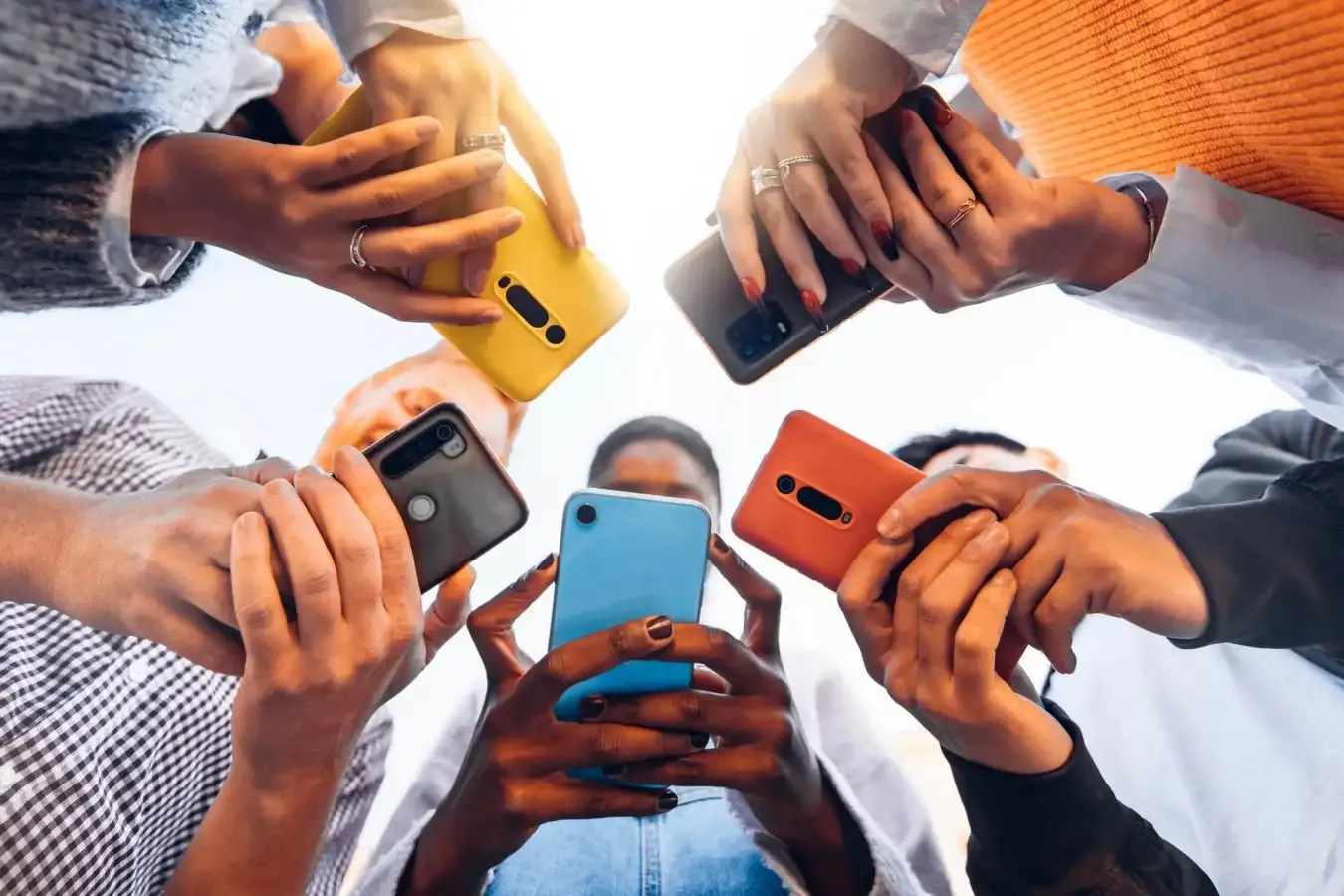
To understand Gen Z and Alpha internet slang, you just need to look at the platforms they use. Today’s youth lexicon does not spread locally through high school hallways. It moves globally across digital environments like TikTok, YouTube, and Twitch. Generation Z, born between 1997 and 2012, and Generation Alpha, born between 2013 and 2024, use shortened words and internet terminology to save time and create a sense of informal intimacy. You hear people call this new vocabulary confusing or absurd, but it functions entirely by design.
You cannot grasp the language without understanding the generational drivers behind it. Gen Z slang often reflects cultural critique, inclusivity, and societal awareness. In contrast, Gen Alpha’s language leans heavily into gaming environments, virtual reality, and streamer culture. Their specific dialect often gets labeled as “Brain Rot,” but this term misses the point entirely. The words act as a giant inside joke. They establish peer connections for an age group that spends significant time socializing in digital spaces rather than physical ones.
The Mechanics of Modern Slang Generation
The speed of language transmission today has no historical comparison. Before social media, regional slang took years to cross the country. Today, internet slang is completely borderless. Kids in London, Tokyo, and Los Angeles pick up the exact same vocabulary on the exact same afternoon.
A 2025 sociolinguistic study published in Jurnal Umbarru noted that digital environments significantly accelerate the spread of new terms globally. Platforms with algorithmic feeds push viral audio clips and text trends to millions of young users simultaneously. When a streamer says a funny word, their audience repeats it in the chat. The clip then moves to TikTok, where thousands of users leave comments using the new term. Repetition builds the habit, and the digital vocabulary soon spills over into physical school cafeterias.
Beyond speed, the language serves a functional purpose. Linguistic research indicates that these terms do a lot of heavy lifting in digital conversations. Studies show that shortened words and internet slang carry a sense of identity connecting youth to their peers. By using the right term at the right time, a young person signals that they understand the culture. They prove they belong to the group.
A Dictionary of Key Gen Z and Alpha Terms
To follow modern internet culture in 2026, you must understand the core vocabulary of these younger demographics. The words break down fairly cleanly along generational lines, though there is natural overlap.
Gen Z Staples
The older of the two generations established a baseline vocabulary that is now widely understood across the internet.
- Bet: An expression of agreement or confirmation. If you tell a friend you are going to the store, and they reply “Bet,” they are saying they understand or agree with the plan.
- Slay: To do something exceptionally well or to dominate a task. If someone wears a great outfit or aces a test, their peers will tell them they “slayed.”
- Lit and Bop: These are descriptors. You use “Lit” to describe a party, event, or situation that is highly exciting. You use “Bop” specifically to describe a very catchy song.
Gen Alpha Emergence
Generation Alpha vocabulary heavily features words that sound completely nonsensical to older ears. These terms often originate from specific online personalities or viral gaming moments.
- Rizz: This is simply short for “charisma.” It denotes charm or the ability to attract romantic interest. If someone is good at flirting, they have rizz.
- Gyatt: This is an exclamation expressing surprise or appreciation. It originated as an overenunciated pronunciation of “goddamn.” Young people often use it in reference to someone’s physical appearance.
- Sigma: A “lone-wolf” cool guy who plays by his own rules. Today, kids use it ironically to describe mysterious loner types. There are extensive guides online providing definitions and usage context for popular terms like “sigma.”
Where to Watch: Case Studies in Viral Vocabulary
You can trace almost every confusing new word back to a specific creator or internet meme. Looking at how these words transition from niche internet spaces to mainstream vocabulary illustrates the power of creator culture.
Take “Fanum Tax” as a prime example. This is one of the most prominent Gen Alpha terms. “Fanum Tax” simply means playfully stealing a bite of a friend’s food. This phrase did not appear out of nowhere. It originated directly from a specific internet personality: Twitch streamer Fanum. He became known for bursting into the room of fellow streamer Kai Cenat to steal his food during live broadcasts. The audience thought it was hilarious, named the action the Fanum Tax, and started using it in their own lives. Now, parents often look for guides that explain the definition and proper contextual usage of “Fanum Tax” just to understand what their kids are saying at dinner.
Then you have the “Ohio” meme. Generation Alpha turned an entire midwestern state into an adjective. When someone says a situation is “Ohio,” they mean it is crazy, strange, or chaotic. This originates from a series of surreal internet memes and videos exaggerating fictional, bizarre events happening in Ohio. It showcases how geographical locations can be entirely repurposed into slang descriptors. The trend became so widespread that local news outlets have run stories detailing the etymology and origins of words like “Rizz,” “Gyatt,” and the “Ohio” meme.
What Critics and Linguists Are Saying
Every time young people invent new words, older generations panic. The rapid growth of this vocabulary always sparks debate between linguistic purists and modern sociolinguists. Critics argue that internet slang destroys language skills and limits a child’s working vocabulary.
The academic data tells a different story. A common misconception is that this digital shorthand prevents deep communication. But natural language processing studies show the exact opposite. A 2024 PLHR study analyzing Generation Z slang found that youth use these words to facilitate conversation. The slang allows them to convey complex emotional messages straightforwardly. Linguists view this as a creative expansion of the English language rather than a degradation.
You also have to factor in the irony. A major characteristic of modern slang is layered irony. Words like “Sigma” or “Skibidi” are rarely used with complete sincerity. When a twelve-year-old uses these terms, they are usually deploying them ironically to mock the absurdity of the internet itself. They know the words sound silly. That is the entire point. It operates as an inside joke that excludes adults and solidifies peer bonding.
Frequently Asked Questions
What does “Fanum Tax” mean?
The term “Fanum Tax” refers to the act of playfully stealing a portion of a friend’s food. Young people coined the phrase after Twitch streamer Fanum, who frequently took food from fellow streamer Kai Cenat during live broadcasts.
How is Generation Alpha’s slang different from Generation Z’s?
Generation Z slang, which includes words like “Slay” and “Bet,” is largely rooted in social media interactions and cultural commentary. In contrast, Generation Alpha’s slang, including words like “Fanum Tax” and “Skibidi,” is heavily influenced by gaming environments, Twitch streamers, and surreal internet memes.
Is internet slang ruining kids’ ability to communicate?
Linguistic research indicates that internet slang does not destroy communication skills. Instead, it functions as an active tool for expressing group belonging, saving time, and conveying complex emotional stances concisely. Sociolinguists view it as a creative expansion of language rather than a breakdown of traditional English.