
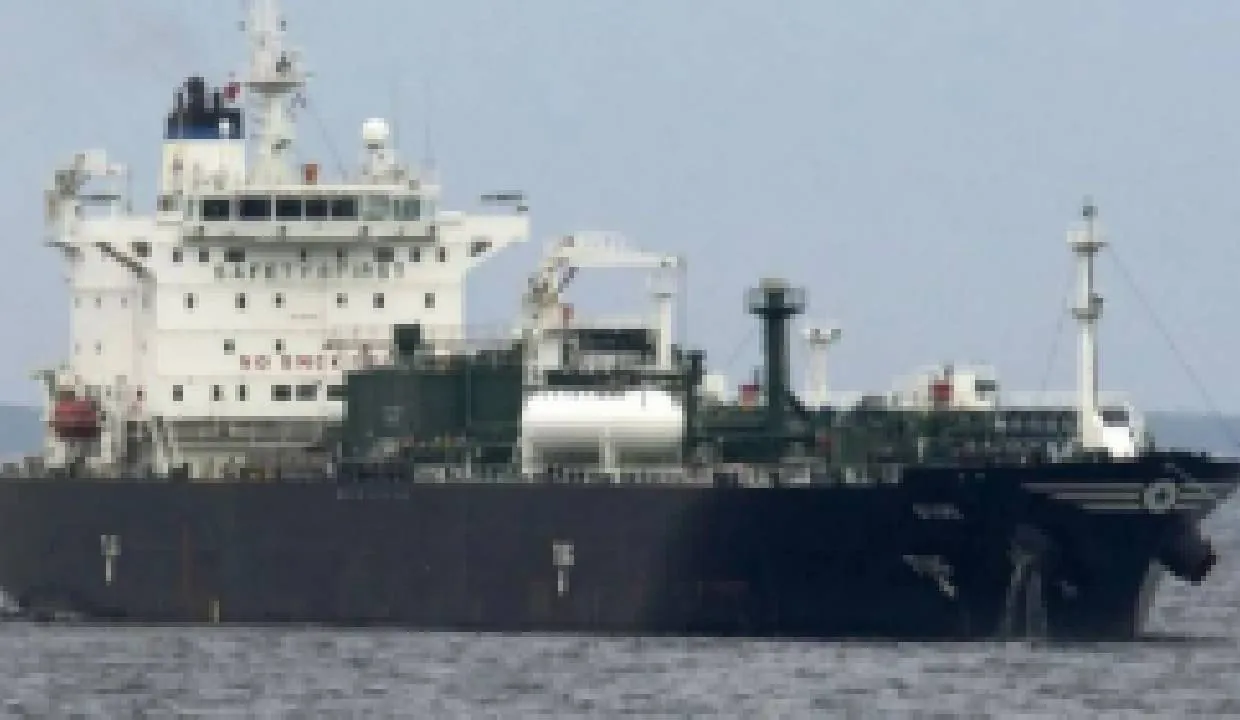
The Marshall Islands-flagged LPG tanker Symi successfully docked at Deen Dayal Port in Kandla, Gujarat, on Sunday, May 17, 2026. The shipment arrived during an ongoing 75-day geopolitical conflict involving Iran and a US-Israel alliance that has blocked critical maritime channels in West Asia. Institutional security warnings remain elevated for commercial shipping across the region.
The vessel carried 19,965 metric tonnes of liquid propane and butane for the Indian Oil Corporation. Operating with an international crew of 8 Ukrainians and 13 Filipinos, the vessel safely cleared the Strait of Hormuz on May 13 under close monitoring from maritime safety authorities.
Shipping Bottlenecks and Maritime Losses
A second Vietnam-flagged vessel, NV Sunshine, carrying 46,427 tonnes of liquefied petroleum gas, also crossed the strait on May 14. That vessel is heading toward New Mangalore for a scheduled May 18 arrival. The maritime corridor remains heavily congested, with a 360-vessel backlog currently stranded in the Gulf as regional tensions disrupt standard trade routes.
Ongoing hostilities recently resulted in physical losses within nearby shipping lanes, including the sinking of the Indian vessel Haji Ali in Omani waters on Wednesday. The sailing ship went down following a suspected drone or missile strike. The Omani Coast Guard successfully rescued all 14 crew members from the water.
Domestic Energy Infrastructure Shifts
To secure India’s fuel infrastructure, a coordinated inter-ministerial effort involving the Directorate General of Shipping, the Indian Navy, and the Ministry of Petroleum has tracked 13 India-bound energy vessels out of the conflict zone. This specific fleet consists of 12 gas carriers and one crude oil tanker.
The 75-day import disruption has caused visible changes in domestic energy consumption. The Ministry of Petroleum confirmed that 57,200 Indian consumers voluntarily surrendered their gas cylinder connections to transition completely to Piped Natural Gas networks. To prevent supply line leakage, the government has mandated that 95% of domestic deliveries use Delivery Authentication Codes, while commercial gas supplies are capped at 70% capacity.
How the Hormuz Blockade Restructures India’s Domestic Energy Grid
The successful docking of these tankers highlights the extreme logistical measures required to protect national energy security during international conflict. By implementing strict delivery codes and pushing consumers toward piped gas infrastructure, the government is actively reducing its vulnerability to volatile maritime choke points.
This supply chain pivot directly alters the revenue distribution for domestic utility companies. While traditional fuel delivery networks face strict capacity caps and high security overhead, city gas distribution firms are seeing long-term expansion as thousands of households permanently leave the mobile cylinder market.