
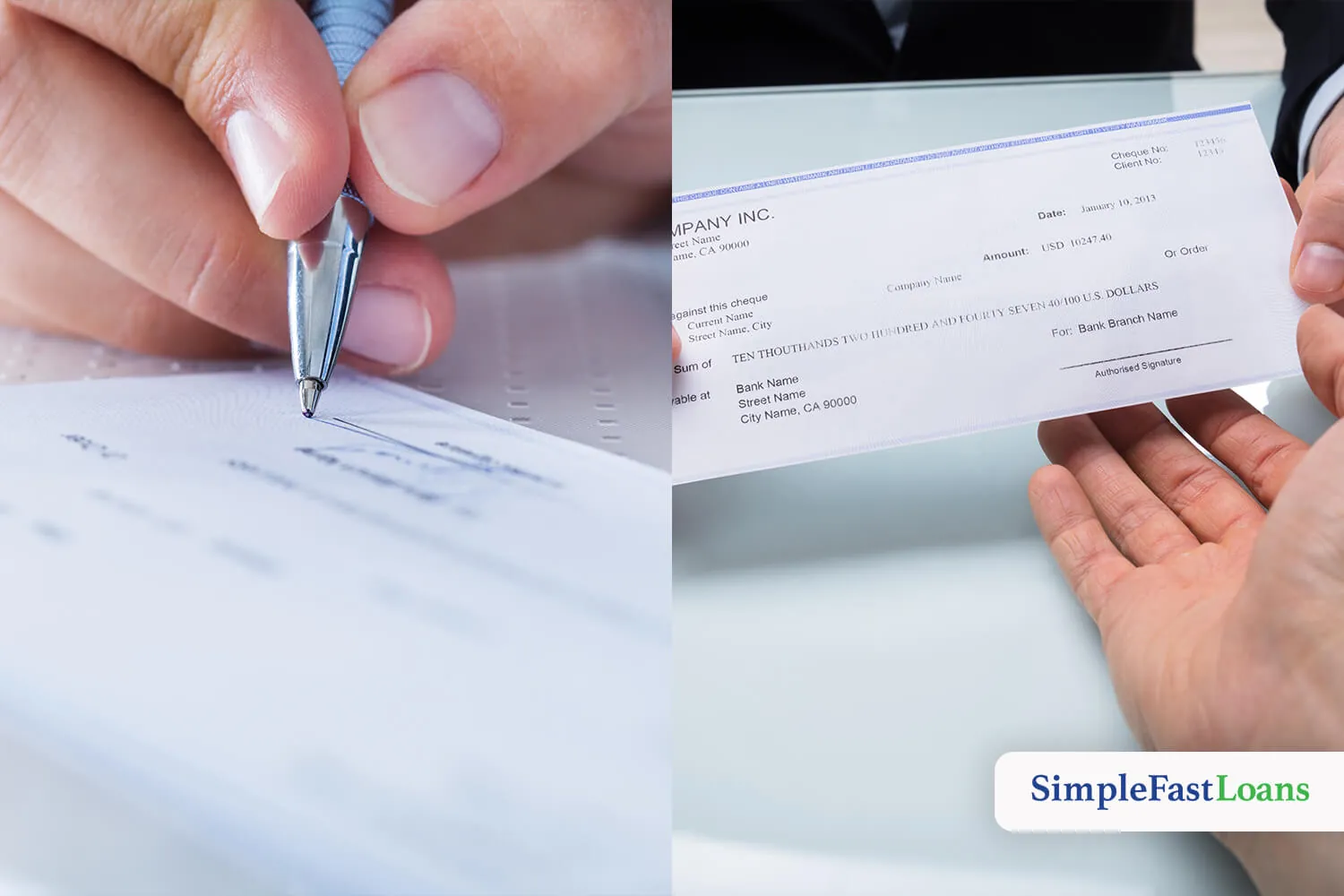
A bank freepost cheque deposit service is a remote banking system that lets customers mail physical cheques directly to their financial institution without paying for postage. You do not need to hunt down a long corporate mailing address or buy stamps. You write a specific short phrase, such as “Freepost LBG” for Lloyds Banking Group or “Freepost TRIODOS BANK”, on a standard envelope and drop it in a mailbox. The bank covers the postal costs under a centralized agreement with Royal Mail. This service functions as an alternative to branch visits, smartphone app deposits, and Post Office counter services.
Physical cheque usage has dropped significantly in recent years. Industry data confirms they now make up a tiny fraction of a percent of all UK payments. Banks actively encourage digital transfers. They are simultaneously reducing the number of high street branches and modifying third-party deposit agreements. Customers who still receive paper cheques—whether as gifts, refunds, or business payments—often find themselves cut off from traditional physical deposit locations. The freepost system bridges this specific infrastructure gap.
Understanding how to prepare and send these documents safely ensures your funds clear without unnecessary delays or security risks.
How Bank Freepost Services Work
The system relies on pre-registered commercial mailing agreements. A bank sets up a specific freepost license with the postal service. This license is tied directly to their central processing facilities rather than local branches. When a sorting office identifies the unique freepost phrase on an envelope, it automatically routes the mail to the bank’s cheque-clearing center.
You simply write a specific phrase on the envelope to route it correctly, meaning there is no need for a stamp or a physical PO Box address. Customers use their own envelopes. Some banks will mail out pre-printed freepost envelopes upon request, but a standard blank envelope works just as well provided the text is legible.
The speed of the service depends entirely on standard postal logistics. Because the bank covers the cost, these envelopes travel through the postal system as standard second-class mail. This means a cheque will not reach the bank overnight. You have to account for several days of transit time before the standard cheque clearing cycle even begins.
Once the processing center receives the envelope, staff open it, verify the details written on the back of the cheque, and run it through automated scanning machines. The funds are then credited to the account matching the sort code and account number provided by the sender. The physical paper is subsequently archived and destroyed after a set period.
Who Benefits and Why the Shift is Happening
Banks are changing how they interact with physical currency and paper documents. High street branch closures happen constantly. Financial institutions point to declining consumer demand for in-person services to justify these cost-cutting measures. Most customers use mobile apps to scan cheques using their smartphone cameras.
But mobile scanning technology is not flawless. Some cheques have security features or watermarks that cause mobile cameras to fail. Other users do not own smartphones capable of running modern banking apps. Older adults, small business owners, and rural residents are the primary users of the physical freepost alternative.
A major policy shift occurred in early 2026. Lloyds Banking Group, which operates the Halifax and Bank of Scotland brands, terminated its agreement allowing customers to deposit paper cheques at Post Office counters. The Post Office network had long functioned as a proxy branch system for banks that had closed their local offices. This change has forced customers to rely on smartphone banking apps or alternative postal methods.
For individuals excluded from the digital banking ecosystem, mailing cheques is now the main remote deposit method available. The freepost system absorbs the excess demand created when physical branches and third-party counters restrict their services.
A Real-World Example of Freepost Necessity
The removal of localized deposit options forces customers into difficult logistical situations. Reports from early 2026 highlighted the exact friction rural customers experience when banking infrastructure changes.
One documented case involved a customer living in a rural area without a nearby bank branch. They attempted to use their bank’s mobile app to scan and deposit a cheque. The application failed to recognize the image. Prior to 2026, the standard backup plan for this customer was a short trip to the local Post Office. Because the bank had just ended its Post Office cheque deposit partnership, the counter staff could not process the transaction.
The customer faced a 94-mile round trip to reach the nearest official bank branch just to deposit a single paper cheque. Scenarios like this highlight exactly why the freepost service exists. When digital applications fail and third-party counters refuse service, mailing the document directly to the clearing center prevents customers from spending hours traveling to deposit small amounts of money.
Key Considerations and Preparation Steps
Mailing financial documents requires strict adherence to security protocols. You are placing an item with a specific monetary value into the public mail system. While postal services are generally reliable, items get lost or delayed. Customers frequently express anxiety about mailing cheques that represent significant sums of money.
Banks require specific information to process a mailed cheque accurately. If you skip a step, the clearing center will reject the deposit and mail the paper back to you, delaying your access to the funds by weeks.
Follow these exact steps to prepare a cheque for a freepost deposit:
- Endorse the Back: You must write your bank account number and your six-digit sort code clearly on the back of the cheque. Use a blue or black pen. Do not write over any magnetic ink lines printed on the document.
- Verify the Payee: Look at the front of the cheque. To guarantee the funds reach your account, you must clearly write your sort code and account number on the back of the cheque, while ensuring the front is made payable directly to you. Banks will reject third-party cheques mailed through this system.
- Include Supporting Documents: If your bank issues a physical paying-in book, tear out a slip, fill it out completely, and include it in the envelope. If you do not have a paying-in book, writing your account details on the back of the cheque is the accepted alternative.
- Package Securely: Place the cheque inside a thick, opaque envelope. Seal it completely. Never include physical cash in a freepost envelope. The sorting centers are not equipped to handle cash deposits via mail, and the money will likely be confiscated or lost.
- Address Accurately: Write the exact freepost phrase provided by your specific bank in the center of the envelope. Write it in large, clear block letters.
Keep a record of the transaction. Take a clear photograph of both the front and the back of the cheque before you seal the envelope. If the item gets lost in transit, you will need these details to ask the issuer to cancel the original cheque and write a new one.
Consider the value of the cheque versus the urgency of the funds. Freepost is free but slow. The item travels second class. It might sit in a sorting facility for a weekend. Once the bank receives it, standard clearing times apply. If you mail a cheque on a Monday, you might not see the cleared funds in your available balance until the following Tuesday or Wednesday.
If you have a high-value cheque—such as proceeds from a house sale or a large inheritance—relying on second-class mail introduces unnecessary risk. In those specific high-value scenarios, making the physical journey to a branch or paying out of pocket for tracked, registered mail is the safer financial decision. The freepost system is designed for everyday, routine deposits where speed is not the primary concern.
Frequently Asked Questions
Do I need to put a stamp on a Freepost bank envelope?
No. You do not need to include a postage stamp or hunt down a physical street address. You only need to write the specific Freepost phrase designated by your bank, such as “Freepost LBG”, clearly on the envelope. The postal service recognizes this phrase and bills the bank directly for the postage.
How long does it take for a Freepost cheque to arrive at the bank?
Bank freepost addresses are registered with Royal Mail as standard second-class mail. You should account for typical second-class delivery times—usually two to three working days—before the cheque even arrives at the processing center to begin the actual clearing process.
What do I need to write on the cheque before mailing it?
You must write your bank account number and your sort code clearly on the back of the physical cheque. This tells the automated sorting machines where to route the money. You must also ensure the front of the cheque is made payable directly to you, the account holder.
Can I still deposit Lloyds or Halifax cheques at the Post Office?
No. As of early 2026, Lloyds Banking Group ended its arrangement that allowed customers to deposit paper cheques at Post Office counters. Customers of these brands must now use the mobile banking app to scan cheques or mail them using the freepost service.