
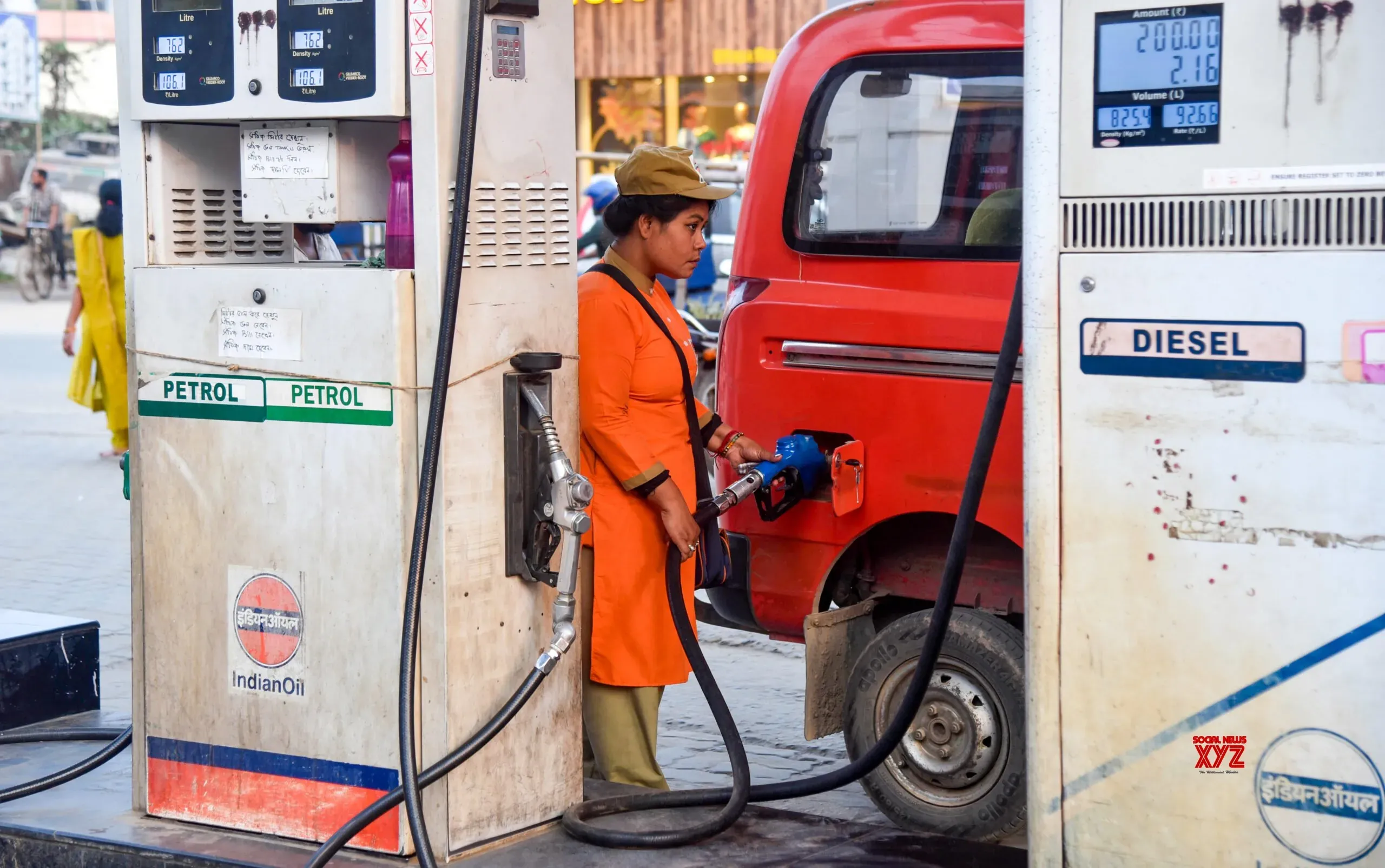
Global crude supply disruptions driven by the escalating US-Israel-Iran conflict have broken India’s four-year freeze on retail fuel hikes. Oil marketing companies officially raised prices on Friday, pushing petrol to ₹106.17 per litre and diesel to ₹94.10 in Bengaluru.
The state-run adjustment averages roughly ₹3 per litre across major Indian metros. Before the official revision, private operators in Bengaluru had already priced regular unleaded petrol near ₹119.92. This domestic adjustment mirrors international pressures where pump prices surge globally, forcing governments and retailers to adapt to tightening supply chains.
The hike immediately drew criticism from Karnataka Chief Minister Siddaramaiah, who warned of cascading inflation across essential commodities. The retail price spike is a direct consequence of shipping disruptions in the Strait of Hormuz, according to a report by The Economic Times detailing how the war has severely reduced Gulf oil flows and kept Brent crude prices elevated.
State-run fuel retailers had absorbed these rising international energy costs for months to shield consumers. That buffer of lower-cost inventory is now exhausted, leaving companies facing accumulated daily losses estimated at nearly ₹10 billion.
Why the ₹3 Hike Fails to Bridge State-Run Retailer Losses
Market analysts indicate this initial price adjustment provides only marginal relief to the oil marketing companies. The ₹3 increase is insufficient to offset the mounting financial deficit, according to an analysis from LiveMint, which suggests cumulative hikes of ₹10 to ₹15 per litre may be required if global crude remains above the $100 per barrel mark.
This pricing strategy reflects a direct government pivot toward protecting foreign exchange reserves rather than subsidizing domestic consumption. The immediate downstream effect will hit the agriculture sector the hardest, driving up operational costs for farmers just ahead of the critical kharif sowing season. FMCG and paint sectors are also preparing for retail price increases as freight and diesel-linked logistics costs jump.