
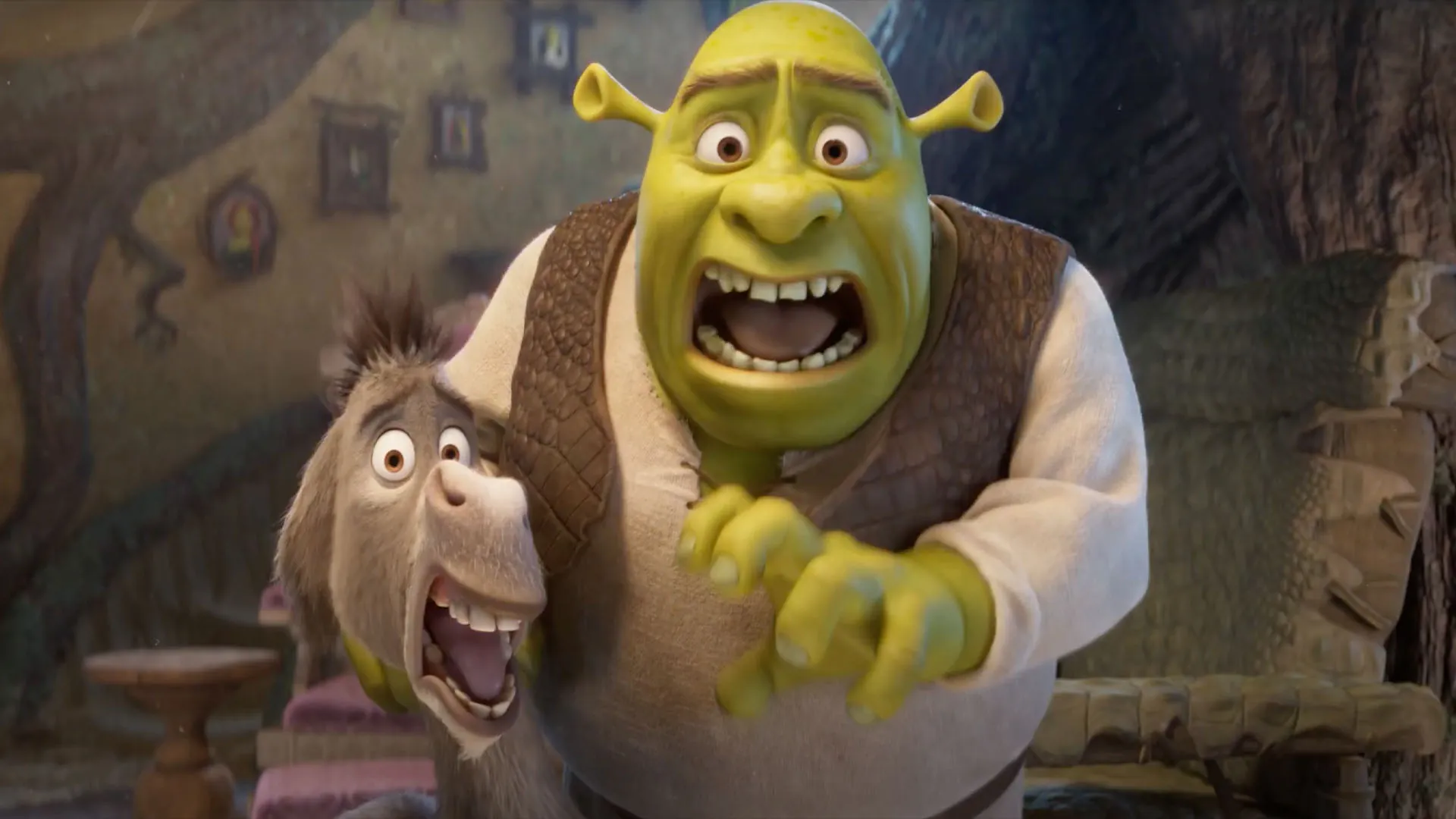
The 2001 animated hit Shrek was not just a movie; it was a highly personal satirical weapon aimed directly at The Walt Disney Company. Greenlit under Jeffrey Katzenberg shortly after his bitter departure from Disney to co-found DreamWorks Animation, the film actively mocked the pristine, magical formula and theme parks of his former employer. Its reliance on edgy humor, glib self-reference, and adult-oriented jokes disguised within a children’s movie created an unprecedented cross-generational box office hit.
The original vision for the iconic swamp-dweller looked drastically different behind the scenes. Comedy legend Chris Farley was originally cast as Shrek and had recorded a significant portion of his dialogue before his tragic death in 1997. Mike Myers was subsequently brought in to take over the role, fundamentally altering the character’s voice and personality, verifying the historical audio leak. This late-stage casting change led to the creation of the famous Scottish accent fans recognize today.
The DreamWorks art and animation team went to unusual lengths to accurately capture the gross-out aesthetic of the ogre’s environment. Animators famously took actual mud showers to study the physics and fluid dynamics of mud sliding off the human body. Meanwhile, the casting department embraced visual irony for the film’s villain by casting John Lithgow, who stands a towering 6-foot-4, as the famously short Lord Farquaad.
The production also broke traditional fairy tale molds by abandoning spontaneous, original show tunes in favor of contemporary pop and rock music, according to a 20th-anniversary listicle of Shrek’s production secrets. The heavy use of tracks like Smash Mouth’s “All Star” created a new template for animated film soundtracks. In 2002, the movie won the first-ever Academy Award for Best Animated Feature, and its colossal financial success forced Hollywood animation studios to abandon traditional 2D hand-drawn cell animation in favor of 3D computer-generated graphics as the new industry standard.