
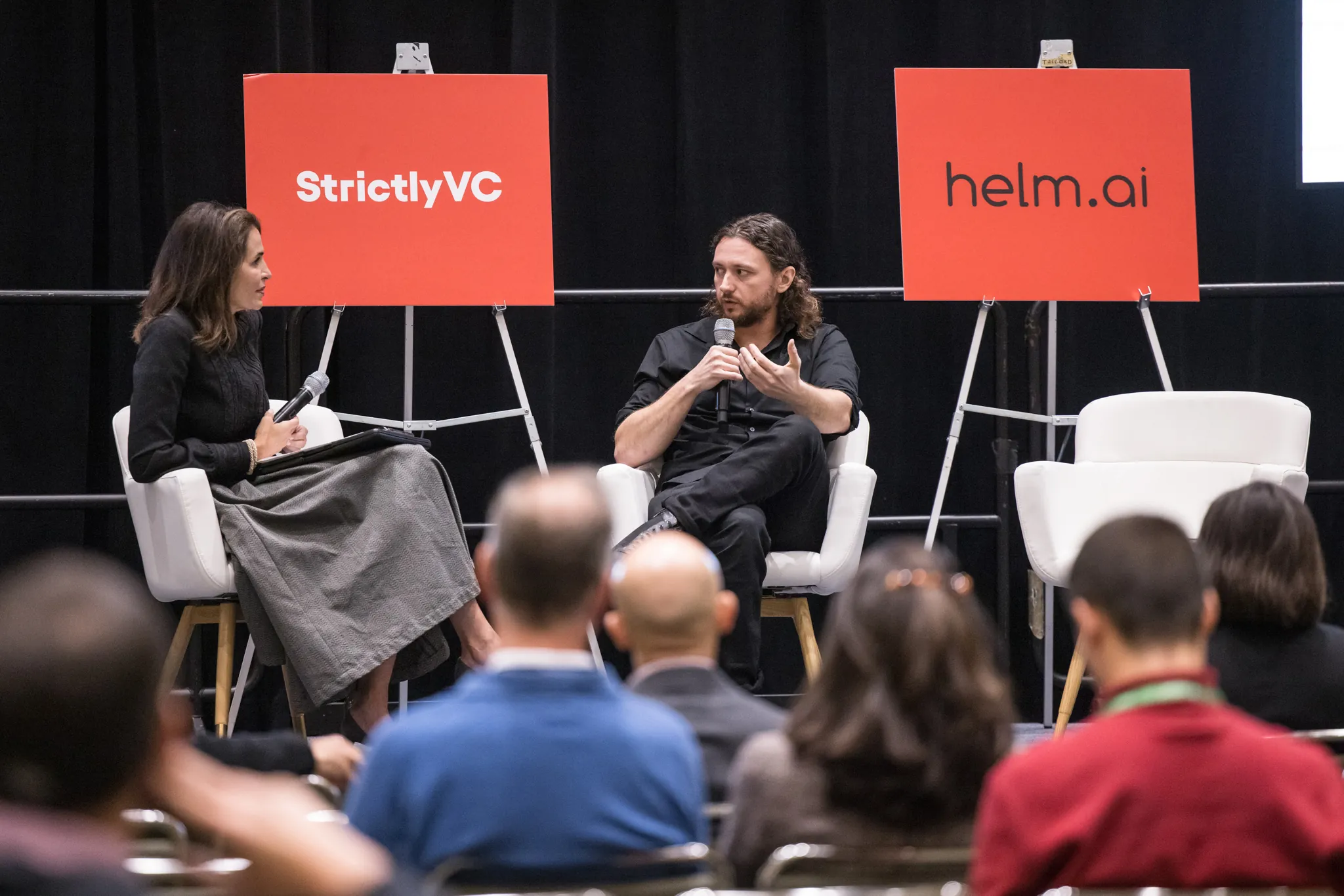
The generative AI boom is colliding hard with traditional media rights. Tech companies want unlimited data to train their models, while publishers are fighting to protect their intellectual property. Right in the middle of this massive copyright war is Campbell Brown. The former Meta news chief and television anchor recently sat down with TechCrunch at a StrictlyVC event in San Francisco to tackle a surprisingly complex question. Who exactly decides what an AI tells you?
Brown sees a massive disconnect happening right now. She noted that Silicon Valley is having one conversation about AI development, while average consumers are having a completely different one regarding trust and information control. Algorithms are incredibly fast, but they still hallucinate and make things up.
After leaving the social media giant, Brown didn’t step away from innovation. Instead, she dove straight into the mechanics of artificial intelligence. She is now the CEO and founder of a new startup called Forum AI. The company has a very specific mission. It wants to stop AI hallucinations and improve accuracy on high-stakes topics by putting actual human experts back into the loop.
Her platform relies on human evaluations to keep those models grounded in reality. To help bridge the growing gap between tech giants and content creators, she also stepped into the AI-media licensing space as an adviser for TollBit following her exit from Meta. This startup is building a marketplace where AI companies can legally pay publishers for their content instead of just scraping it off the web.
Why the “Human-in-the-Loop” Model is the Next Phase of AI
We are watching a fundamental shift in how the technology industry builds these massive brains. For the last two years, companies like OpenAI and Google focused entirely on volume. They scraped the entire internet to teach their models how to talk. But that raw data approach is hitting a wall.
The launch of Forum AI and the push for platforms like TollBit signal a new era of AI governance. The wild west phase of endless web scraping is ending. Media companies are demanding compensation, and users are demanding accuracy. The next generation of generative AI will not just be about how much data a model consumes. It will be about whether that data is licensed, verified, and checked by human professionals.
If AI is going to replace traditional search engines, the answers it spits out need to be legally acquired and factually bulletproof. Brown’s move from Facebook’s news division directly into AI verification highlights exactly where the industry is heading next. Quality control is becoming the most valuable commodity in Silicon Valley.