
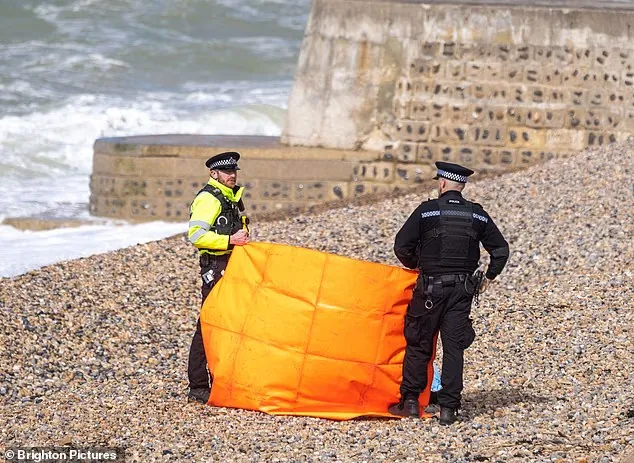
A major search and rescue operation shifted to a recovery mission on Wednesday morning after the bodies of three women were pulled from the water near Madeira Drive in Brighton.
Emergency services rushed to the seafront following a 5:45 AM call reporting a person in the water. Sussex Police later confirmed the tragic discovery.
Initial reports indicate the victims were aged between their late teens and 30 years old. Search crews discovered the victims were found fully clothed, and their personal belongings, including handbags, were located on the shingle beach near the Quarters bar.
The scale of the morning response was immense. It involved Sussex Police, Coastguard helicopters, and rescue teams from Shoreham, Newhaven, Littlehampton, and Birling Gap. Three RNLI lifeboats deployed to scour the coastline. Two of the bodies were recovered near Black Rock Beach. A third was found further west, closer to Brighton Pier.
Chief Superintendent Adam Hays of Sussex Police addressed the incident at a lunchtime press conference. He stated that fast-moving enquiries are underway to formally identify the women and notify their next of kin. Police are actively collecting CCTV footage from surrounding properties and local businesses to establish a timeline of the morning’s events. Authorities also used the briefing to declare the search phase complete, according to statements from Chief Superintendent Adam Hays confirming police are not looking for anyone else in connection with the deaths.
The affected stretches of the beach remained cordoned off throughout Wednesday afternoon.
The incident triggered immediate statements of support for the emergency workers from local leaders. Brighton and Hove City Council Leader Bella Sankey released a statement, alongside official condolences from local MPs Siân Berry and Chris Ward.
The Logistics of Brighton’s Multi-Agency Coastal Response
The rapid mobilization of resources on Wednesday morning exposes the intense coordination required for offshore emergencies. Bringing together local police, airborne coastguard units, and volunteer RNLI crews within minutes of a dawn distress call demands a strict communication network.
Brighton’s coastal geography presents unique hurdles for search teams. The rapid deployment of lifeboats from multiple surrounding stations—spanning from Littlehampton to Birling Gap—shows standard operating procedure for saturation coverage when dealing with tidal currents in the English Channel. This tragedy shows the stark realities emergency responders face in the world of coastal rescue operations, particularly during early morning hours when low visibility and dropping temperatures compound the difficulty of the extraction.