
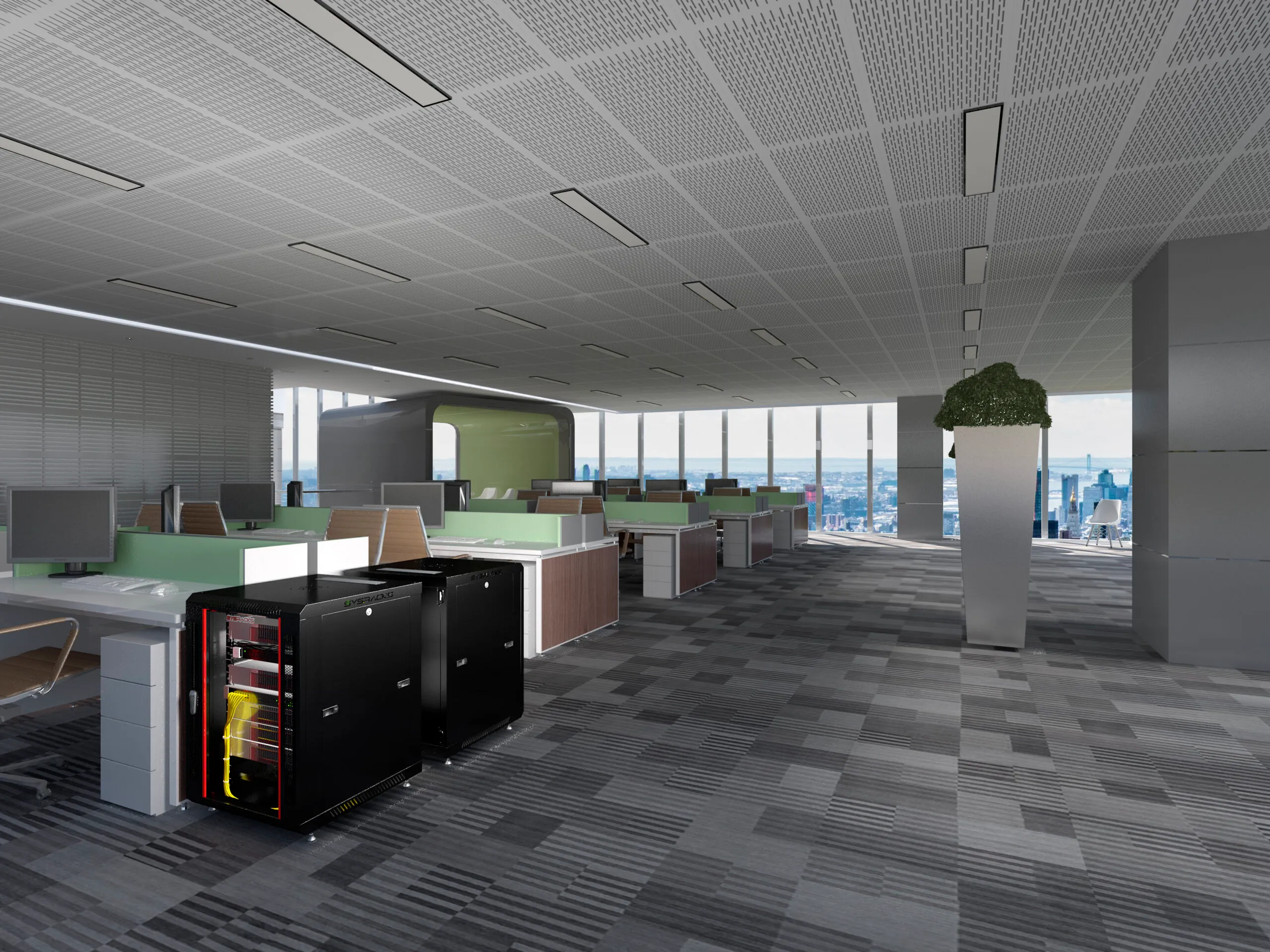
Today is May 13. Officially, it marks World Facilities Management Day. But the annual celebration masks a profession buckling under immense macroeconomic strain. Facility managers are currently navigating a brutal combination of constrained budgets and severe staffing shortages. The physical backbone of corporate infrastructure is fracturing.
This year’s global observance operates under a highly specific mandate. International bodies have declared the global theme to be “FM: Cultivating Belonging Through Built Environments” as they attempt to foster inclusive workspaces. Yet, the day-to-day reality for these professionals is shifting rapidly away from standard community building.
The physical workforce is thinning out fast. Industry metrics highlight a bleak labor market where increased workloads collide with a shrinking applicant pool. But the real threat isn’t just a lack of manpower. The infrastructure itself is under digital siege. A recent industry survey revealed that 27% of facility managers have suffered cyberattacks on their operations technology systems. Hackers are now targeting the literal buildings we work in.
The Paradigm Shift from Physical Maintenance to Digital Defense
The traditional view of facility management is dead. Integrating smart building tech and automated HVAC systems has accidentally turned building managers into frontline cybersecurity defenders. When operations technology fails, the physical building shuts down.
This forces municipal governments and massive corporate campuses to rapidly upskill legacy maintenance staff. Digital contingency planning is now a mandatory skillset. It permanently alters the hiring baseline for the entire commercial real estate sector, turning physical property management into a specialized branch of IT security.