
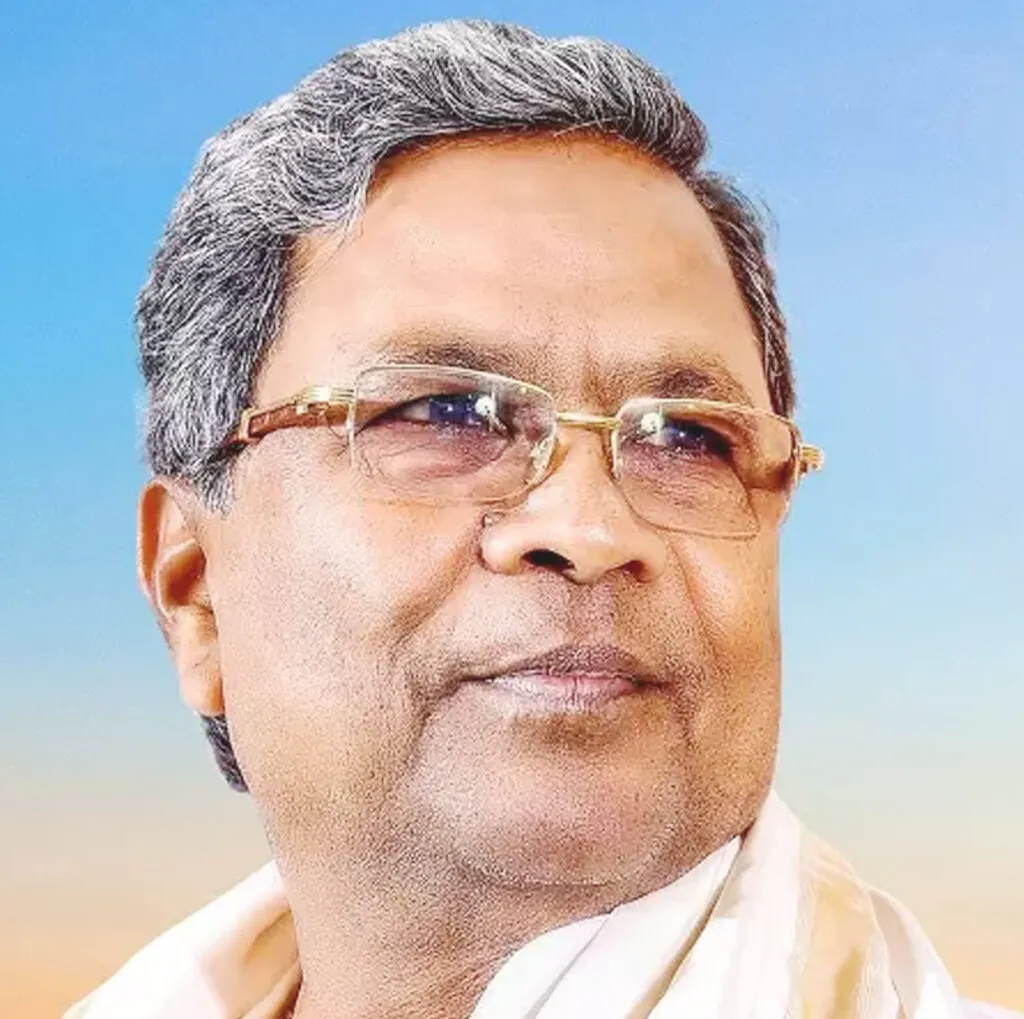
Karnataka Chief Minister Siddaramaiah and Deputy CM D.K. Shivakumar have publicly rejected Prime Minister Narendra Modi’s urgent call for national austerity. The political clash erupted on Monday as India faces a mounting economic crisis triggered by the escalating US-Iran war and a critical blockade of the Strait of Hormuz. While the central government is pushing for a total shift in citizen behavior to protect foreign exchange reserves, opposition leaders in Bengaluru are questioning the sudden pivot from claims of a booming economy to a state of emergency.
The Prime Minister delivered a series of high-stakes addresses in Telangana and Vadodara over the weekend. He pleaded with the Indian public to stop buying gold for a year, drastically cut fuel consumption, and adopt work-from-home models where possible. PM Modi repeated the austerity call specifically to prevent a catastrophic drain on the nation’s forex as global oil prices surge and trade routes remain choked. But the Karnataka leadership isn’t buying the narrative. Siddaramaiah mocked the Prime Minister on Monday, highlighting the massive contradiction between past promises of a $5 trillion economy and the current demand for citizen sacrifice. He asked how a supposedly thriving nation could find itself in a position where the government must beg people to stop traveling and buying jewelry.
D.K. Shivakumar echoed these sentiments, suggesting the central government is using the global conflict to mask domestic economic mismanagement. The timing of the announcement has also drawn fire. Opposition figures in Maharashtra, including Vijay Wadettiwar, pointed out that the Prime Minister waited until after major state elections to announce these restrictive measures. They claim the delay was a tactical move to avoid voter backlash. Meanwhile, PM Modi asks India to sacrifice personal luxuries for the sake of national stability. It is a sharp turn for a government that has spent years promoting aggressive consumer growth.
The reaction from the business sector has been markedly different. Corporate leaders have mostly signaled compliance. According to an official reaction from India Inc, many executives view the austerity measures as a logical defense against an uncontrollable external shock. They argue that shifting to remote work and reducing imports is a necessary paradigm shift for a country that is heavily dependent on energy imports through the now-contested Hormuz waters. The divide between political rhetoric in the states and the economic directives from Delhi continues to widen as the conflict in the Middle East shows no signs of a ceasefire.
How the Karnataka-Delhi Friction Complicates India’s Emergency Economic Pivot
The refusal of state leaders like Siddaramaiah to back the austerity drive creates a significant enforcement gap for the central government. Because austerity measures like fuel reduction and work-from-home transitions rely heavily on local administrative cooperation and public buy-in, a polarized political landscape could lead to uneven compliance across different states. This isn’t the first time India has seen this dynamic. During the 1970s oil crisis, the central government struggled with similar regional resistance when attempting to impose energy quotas. Today, the stakes are higher due to the sheer volume of India’s gold consumption and its integration into global supply chains. If Karnataka and other opposition-ruled states treat the PM’s call as a mere political suggestion rather than a national security directive, the intended “forex shield” may fail to materialize before the reserves hit a critical low.