
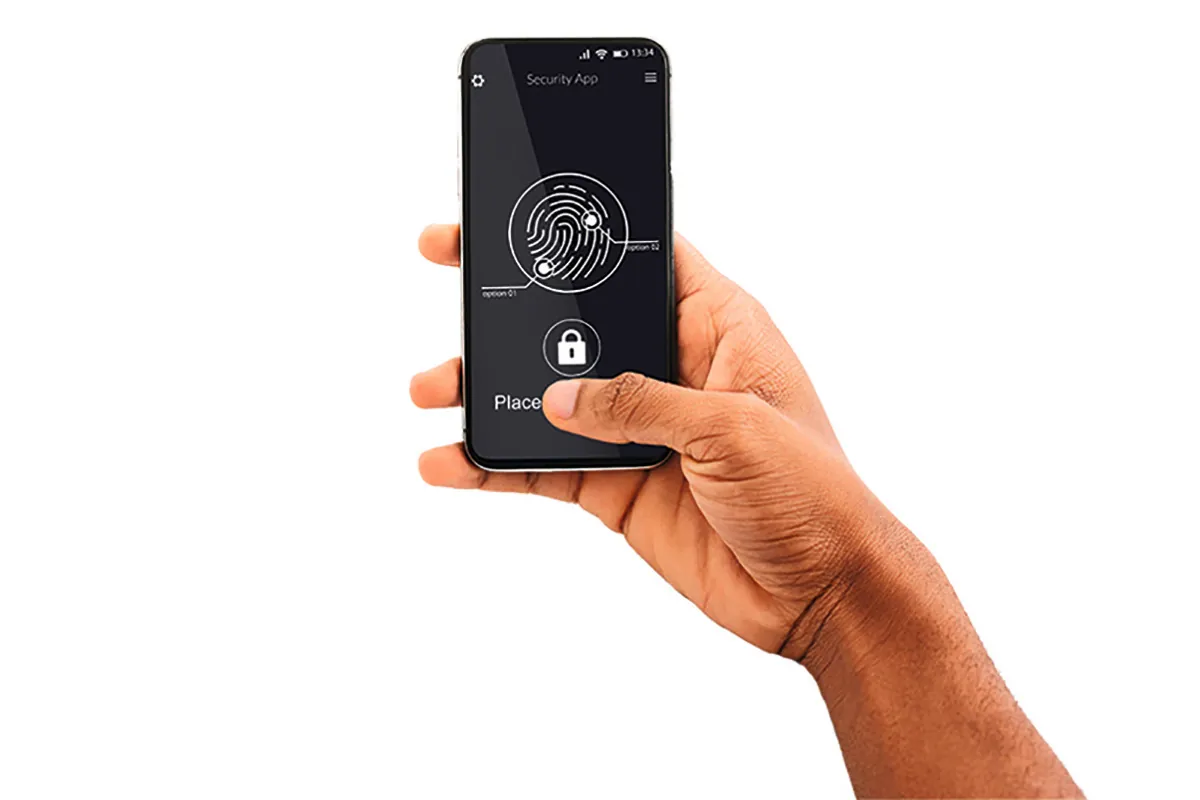
The Huawei Mate 90 series is poised to finally ditch outdated biometric scanners. Unverified leaks from the supply chain indicate the 2026 flagship will feature an ultrasonic in-display fingerprint sensor. This is a massive hardware leap. It replaces the basic optical sensors used in the Mate 70 and 80 series. Fans have begged for this upgrade for years.
The delay was not a lack of ambition. Severe and ongoing U.S. sanctions crippled Huawei’s access to top-tier international component supply chains. They were locked out of the best hardware. The integration of ultrasonic technology into the Mate 90 lineup signals a major victory. It strongly indicates Huawei has established an independent, sanction-proof supply chain for advanced biometric sensors.
Moving from Flat Photos to 3D Sound
Optical sensors take a flat 2D photograph of your thumbprint. They blast a bright light through the OLED screen to illuminate the skin. They are easily fooled and fail constantly if your hands are wet. Ultrasonic sensors are entirely different. They use high-frequency sound waves to map the 3D ridges and pores of your dermal layer.
The prototype hardware is already active, according to GSMArena, which verified Huawei is currently testing the advanced sensors for the upcoming release. This brings a massive boost to device security. You cannot trick an acoustic map with a high-resolution photograph.
The rest of the mobile industry moved on a long time ago. Samsung championed ultrasonic readers early on. More recently, devices like the upcoming Vivo X300 FE are adopting the technology, as noted in a detailed Financial Express breakdown of May 2026 smartphone launches. Huawei simply had to catch up to remain viable in premium technology markets.
Biometrics define the modern user experience. You touch your screen dozens of times a day. Whether you are unlocking a phone to pay for groceries or waking up a huawei matepad pro max to watch a movie, speed and reliability matter.
Why the Jump to Acoustic Biometrics Threatens Samsung and Vivo
The shift to 3D acoustic mapping fundamentally alters the physical security standards of Huawei hardware. This is not just a minor spec bump. It is the first major biometric paradigm shift for the Mate line since the original introduction of under-display readers.
Optical readers struggle with greasy, dirty, or wet fingers. Ultrasonic readers bounce sound waves off the physical grooves of your skin. It works in the rain. It works if you just ate a slice of pizza. This levels the playing field.
Huawei can now compete feature-for-feature in the ultra-premium tier without asterisks or compromises. They closed the hardware gap. Competitors like Samsung and Vivo have relied on their superior unlocking experience as a key selling point against Huawei’s previous flagships. That advantage is vanishing.