
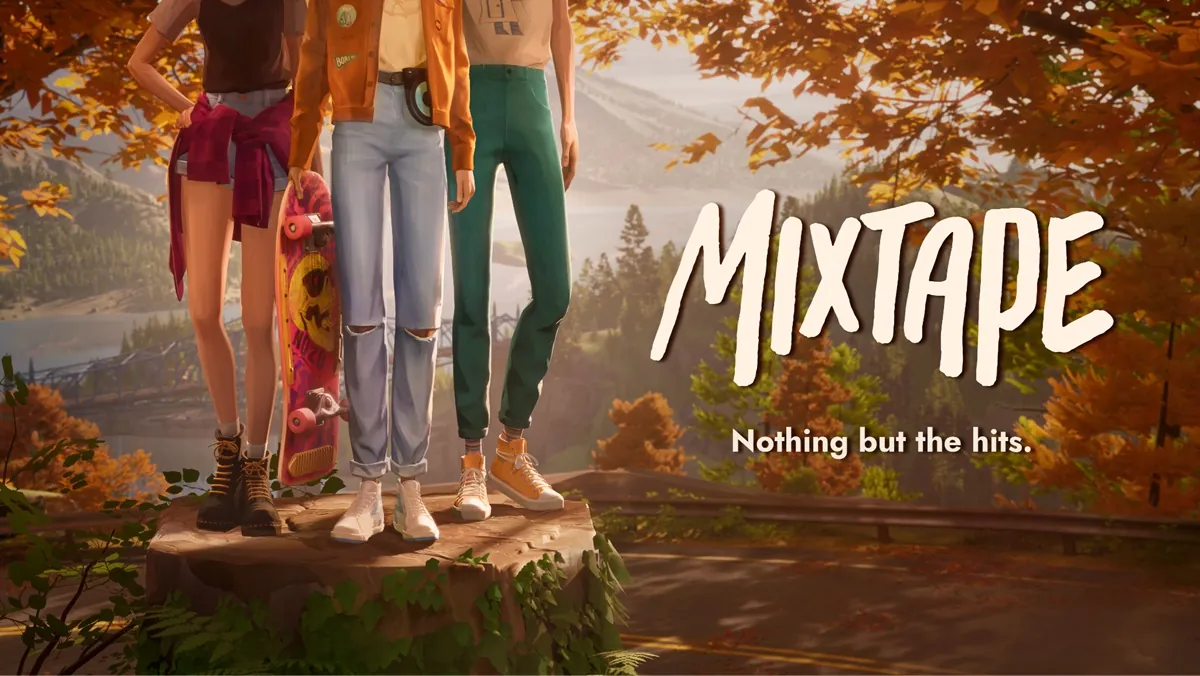
Mixtape just dropped, and it feels like stepping straight into a late-90s time capsule. Released on Thursday across all major consoles and PC, the $20 interactive adventure from Beethoven & Dinosaur is already dominating the cultural conversation. It boasts an elite 94% OpenCritic average and a massive 95% positive rating on Steam. Fans are eating it up.
But the critical consensus is starting to fracture. While players fall in love with the game’s mechanics, reviewers are pointing out a glaring blind spot. The narrative leans heavily on a narrow, affluent suburban lens. It perfectly captures the pacing of a classic John Hughes film, but that specific brand of teenage nostalgia is beginning to show its limits in a medium desperate for diverse voices.
The game follows 17-year-old Stacey Rockford on her final night before leaving for college in 1999. You play through a series of narrative vignettes that act as the characters’ greatest hits. The mechanics are wild. You skateboard down empty streets, blow up cars with a middle finger, and navigate awkward kissing minigames. This multi-genre approach perfectly captures the introspective nature of the teenagers’ journey, according to a detailed breakdown of the specific mini-game mechanics. It is chaotic. It is fun.
The music does a lot of the heavy lifting. The soundtrack is packed with iconic artists like the Smashing Pumpkins. Every interaction is scored perfectly to the music. The entire experience relies heavily on an experiential, slice-of-life narrative structure wrapped around a highly curated 90s alt-rock soundtrack, which several reviewers highlighted as its strongest asset. While massive franchises rely on physical merchandise drops like the returning Nuka Girl statue to drive revenue, indie games like Mixtape rely purely on emotional resonance. The Washington Post points out the catch. The game recycles old Hollywood youth tropes. It is incredibly well-made, but it tells a story we have seen a thousand times before.
Why the Indie Market is Finally Demanding New Coming-of-Age Perspectives
The discourse surrounding Mixtape highlights a massive critical shift in video game journalism. For years, the industry gave independent studios a free pass as long as the mechanics were solid. Now, the standard is higher. Critics are actively questioning why so many premium indie narratives still default to affluent, suburban perspectives.
The flawless mechanical execution of Mixtape proves these studios have the talent and budget to create interactive masterpieces. The cultural demand is now shifting toward seeing that exact same high-budget narrative treatment applied to urban and diverse teenage experiences. The John Hughes era of gaming might finally be ending.