
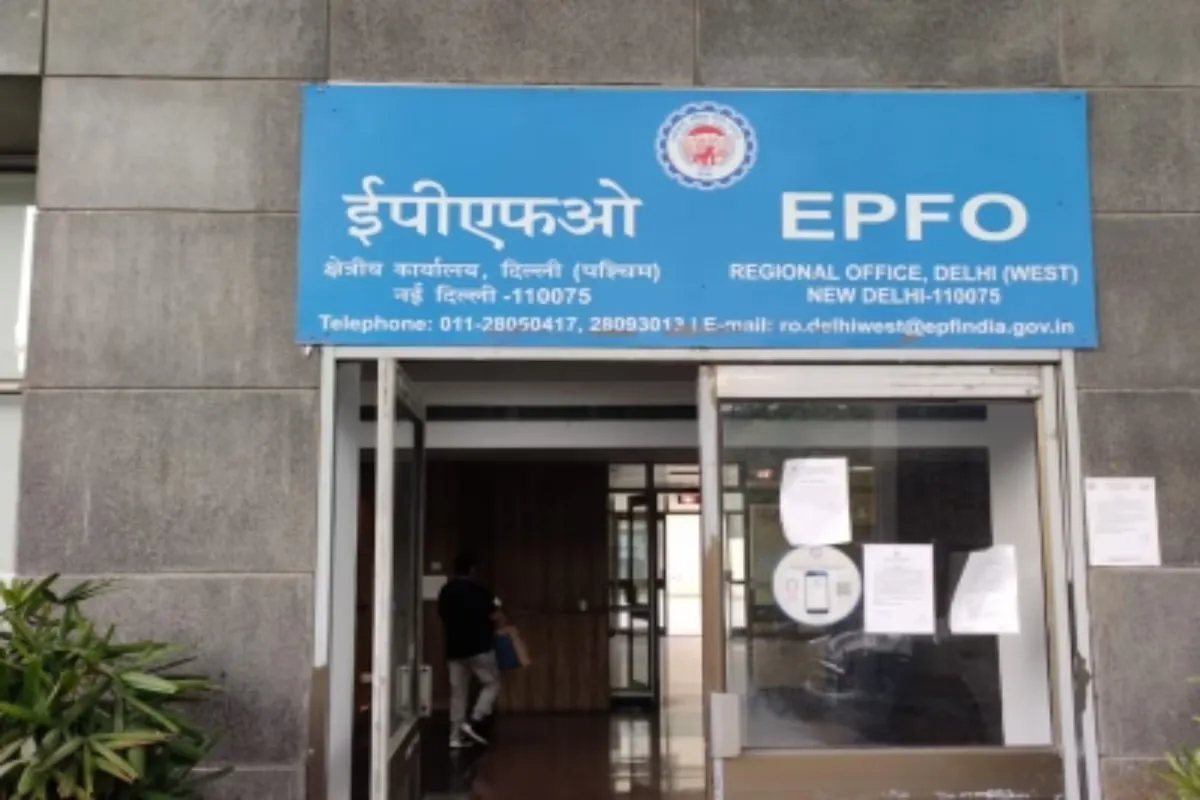
India is overhauling its retirement fund system as a massive surge in withdrawal requests forces the government to digitize claims processing. Over 70 million workers will gain instant access to their savings through ATMs and UPI starting in late May 2026. This shift comes as the Employees’ Provident Fund Organisation (EPFO) struggles to manage a record volume of claims that hit 8.31 crore in the last fiscal year.
Labour Minister Mansukh Mandaviya confirmed the move is part of the broader EPFO 3.0 initiative, which aims to strip away the bureaucratic delays that defined the old system. Instead of waiting weeks for employer approvals or physical paperwork, subscribers will soon route funds directly to their bank accounts using a mobile app. The government is also preparing to issue dedicated PF withdrawal cards that function like standard debit cards at any ATM across the country.
Digital Modernization and ATM-UPI Integration
The new system leverages the UMANG app to generate QR codes for cash withdrawals. Users can scan these codes at UPI-enabled ATMs to get cash instantly. For those preferring digital transfers, the money can be sent to a verified UPI ID. This integration marks the first time the Indian government has linked a long-term retirement corpus to the real-time retail payment ecosystem. It effectively turns a portion of a worker’s retirement fund into an emergency liquid asset.
To use these features, employees must ensure their Universal Account Number (UAN) is fully KYC-compliant. This involves linking an active Aadhaar number and a verified mobile number. The bank account seeded with the UAN must also have the correct IFSC code to prevent transaction failures within the financial sector. The EPFO 3.0 initiative specifically targets the removal of regional office barriers, allowing for a centralized, paperless withdrawal experience.
Withdrawal Limits and Eligibility Criteria
While the system offers instant access, the government is keeping strict guardrails in place to protect retirement security. Subscribers cannot empty their entire accounts through an ATM. The instant withdrawal feature has a 50% withdrawal cap on the eligible advance amount. Additionally, all members must retain a minimum of 25% of their total balance at all times. These limits prevent users from depleting their long-term savings for non-essential spending while still providing enough for medical or financial emergencies.
The urgency for this update is clear from the sheer scale of the 8.31 crore claims settled in the 2025-2026 period. By moving to a self-service digital model, the EPFO hopes to reduce the administrative load on its offices. The organization previously saw a high rejection rate for manual claims due to minor clerical errors. The automated UPI and ATM system bypasses these manual checks, provided the user’s KYC data is accurate.
How the EPFO 3.0 Overhaul Impacts India’s Digital Banking Infrastructure
This move is more than just a convenience for employees; it is a major shift in how the Indian government views social security liquidity. By integrating the provident fund into the UPI network, the Labour Ministry is treating the EPFO less like a locked vault and more like a high-yield savings account with restrictions. This change will likely put pressure on the National Payments Corporation of India (NPCI) to handle even higher transaction volumes as millions of workers test the system in late May.
Historically, PF withdrawals were a last resort due to the weeks of waiting and the threat of employer intervention. Now, the paradigm shift toward instant retail access removes the employer as a gatekeeper for emergency funds. This change mirrors the rapid digitization seen in India’s broader economy but carries higher stakes, as it touches the primary life savings of the national workforce. If successful, this model could serve as a template for other state-run pension funds to modernize their withdrawal protocols.