
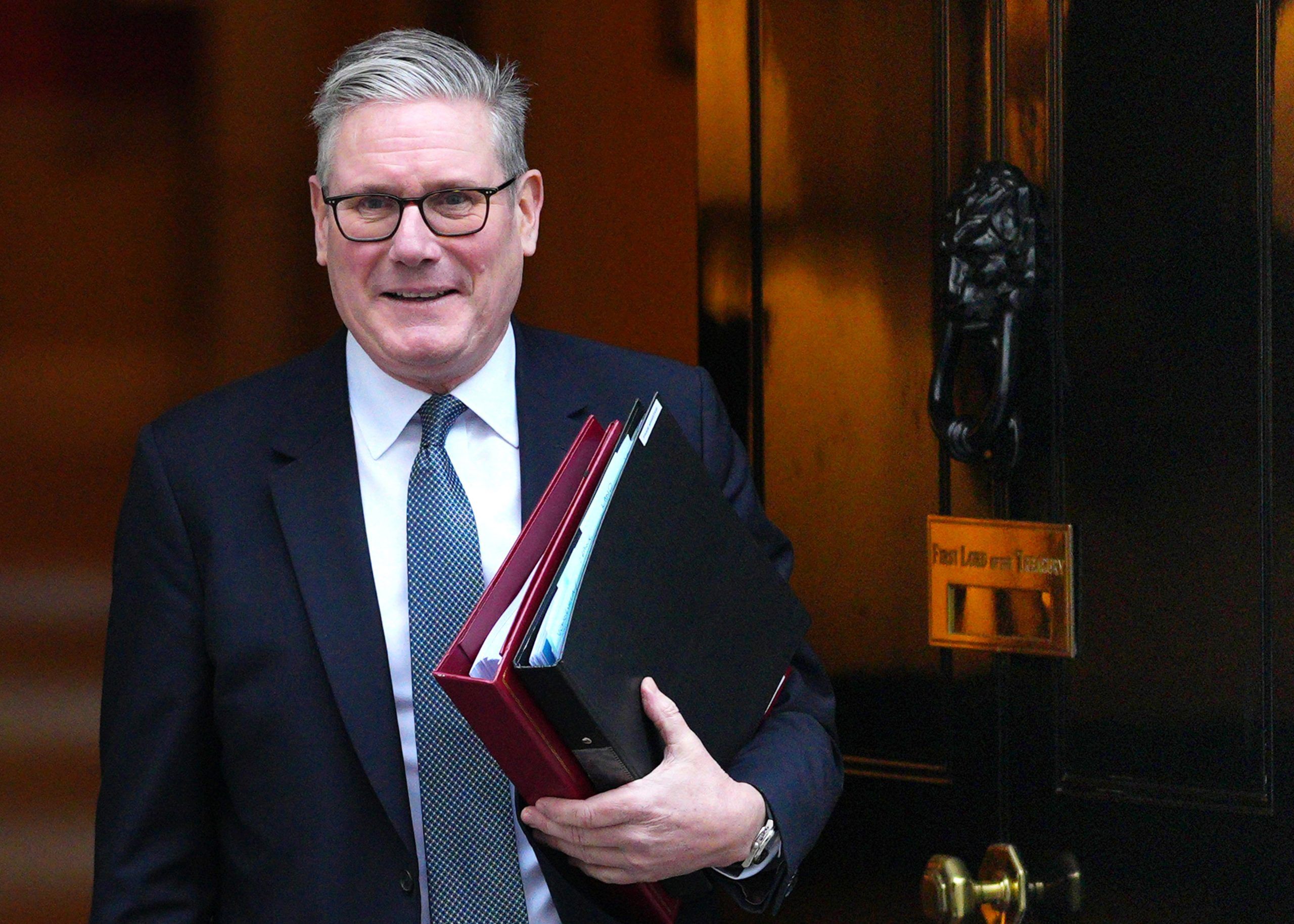
Prime Minister Keir Starmer explicitly refused to resign on Friday morning. His governing Labour Party suffered catastrophic overnight losses in the May 2026 UK local elections. Driven by deep voter frustration over a slow economic recovery and strained public services following Labour’s first two years in power, the hard-right Reform UK party claimed over 300 council seats in early results.
Labour lost more than 250 councillors. They surrendered long-held strongholds across the country. The losses include Tameside, a council Labour had controlled uninterrupted for nearly 50 years. Voters also ousted Labour from Hartlepool, Wigan, and Tamworth as Nigel Farage’s party capitalized on a historic election surge.
Addressing the media on Friday, Starmer stated he will not “walk away and plunge the country into chaos.” The statement arrived as members of his own party demand a timetable for his departure. Hartlepool MP Jonathan Brash publicly questioned his leadership. This followed what analysts describe as a disastrous night for the party.
The traditional two-party system in British politics is fracturing. The Green Party achieved its own electoral victories on Friday. They won the mayoral race in Hackney. Polling experts are now defining the UK political environment as an era of five-party politics.
Electoral tallies on Friday morning showed Reform UK gaining roughly 335 seats. Labour lost approximately 247 seats. Major global news organizations continue to track the live results as local counting concludes.
What the Five-Party Fracture Means for Westminster
The loss of Tameside marks one of the worst mid-term election performances for a governing party in modern British history. This structural shift away from a binary Labour-Conservative contest alters how future general elections will operate. With Reform UK isolating voters on the right and the Green Party capturing alienated voters on the left, any future Westminster majority will require building localized coalitions rather than relying on national sweeps.