
Netflix continues its consistent delivery of compelling true-crime narratives with The Carman Family Deaths, a documentary film that recently surged to the top of the streaming charts. This standalone movie, distinct from the popular docuseries format, offers viewers a deep dive into a profoundly unsettling American mystery that captivated national attention.
The film meticulously recounts the real-life events surrounding Nathan Carman, a case that first made headlines in 2016. That year, Nathan was discovered adrift at sea in a lifeboat, a supposed miracle given his mother, Linda Carman, had vanished alongside him. Six years later, police arrested Nathan, charging him with his mother’s murder, uncovering a tangled web of family tragedy.
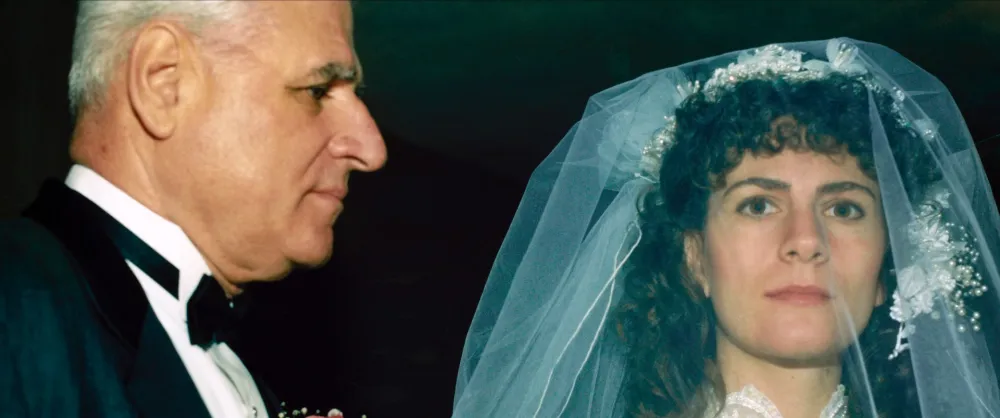
Linda Carman’s death was not the first suspicious fatality linked to the family. In 2013, Nathan’s affluent grandfather, John Chakalos, was fatally shot during a home invasion. Authorities maintain that Nathan was responsible for both slayings, although the case remained open, and a trial might have seen Nathan acquitted due to reasonable doubt.
The Carman Family Deaths excels by presenting a balanced, albeit often ambiguous, exploration of the evidence, prompting viewers to form their own conclusions. While the documentary appears to lean towards Nathan’s culpability, it also introduces crucial counter-arguments. Nathan’s father, Clark Carman, and his defense team staunchly assert his innocence, arguing that Nathan’s complex mental health and autism were misunderstood by investigators, leading them to misinterpret his emotional detachment.

Conversely, the police interviewed in the film express unwavering conviction in Nathan’s guilt. This sentiment is echoed even more forcefully by Nathan’s maternal relatives, who appear convinced that he murdered both his mother and grandfather. The documentary effectively captures the intense emotional stakes and polarized opinions surrounding the case.
The tragic mystery at the heart of the documentary is destined to remain unsolved. Nathan Carman died by suicide while incarcerated, awaiting trial for murder. He had consistently maintained his innocence throughout the years of investigation and legal proceedings.
The documentary highlights Nathan’s lack of cooperation with authorities, a factor that undoubtedly fueled suspicion. Intriguingly, it also suggests that certain evidence gathered by police could have provided him with an alibi for his grandfather’s murder. Nathan’s death, however, precluded any possibility of a trial and left an abundance of questions unanswered, solidifying the case as one of enduring ambiguity.
One of The Carman Family Deaths‘s notable strengths is its concise format. Many true-crime offerings on Netflix often expand into multi-episode series, risking narrative bloat. This film, however, condenses the complex story into a single, agile production.
This focused approach allows the film to move swiftly, making it an ideal choice for true-crime enthusiasts seeking a captivating, digestible viewing experience. The interviews are particularly engaging, especially those with Nathan’s maternal family, whose passionate conviction in his guilt is palpable. Ultimately, viewers are left to weigh the compelling, conflicting perspectives and decide for themselves where the truth might lie. The Carman Family Deaths is currently available to stream on Netflix.