
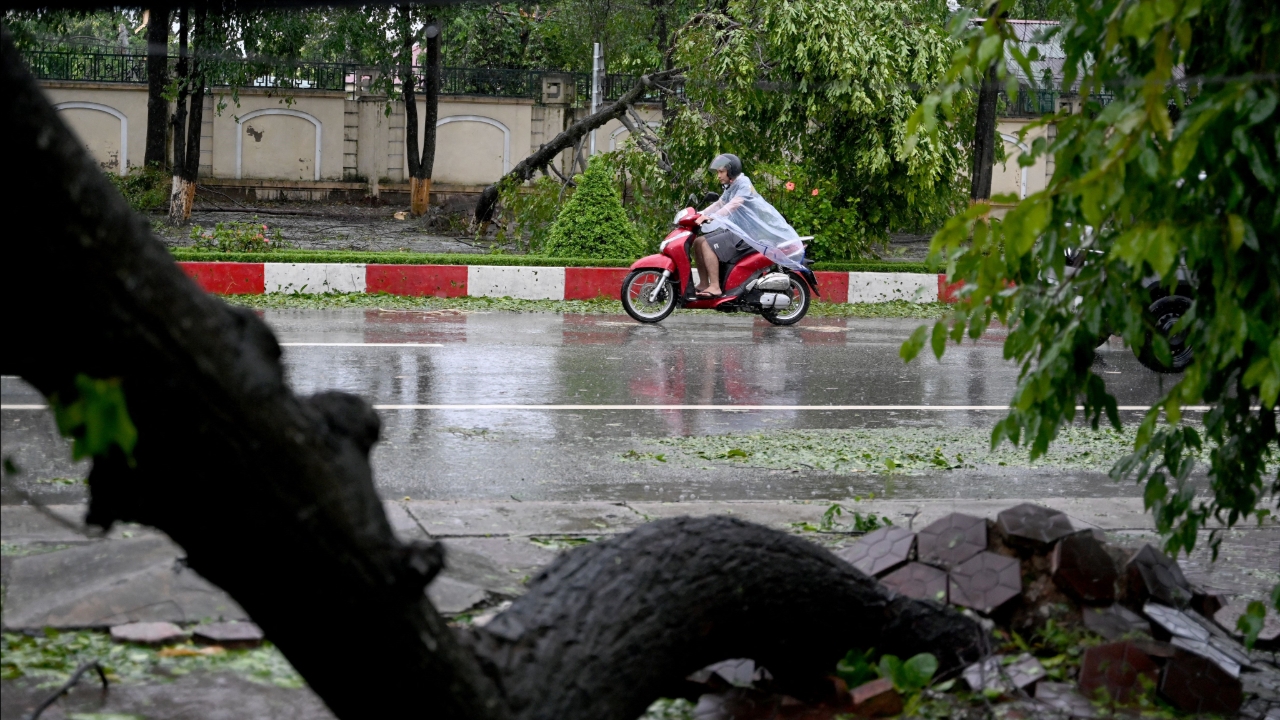
A powerful typhoon named Bualoi crashed into northern central Vietnam on September 29, 2025. This storm brought sustained winds of 130 kilometers per hour. It also dropped massive amounts of rain, with some areas expecting up to 350 millimeters within 24 hours. The immediate fallout included one person dead and four others reported missing.
The storm’s fierce arrival left a trail of destruction. At least 86 homes were badly damaged in the initial onslaught. Authorities had worked swiftly beforehand, moving over 250,000 people from danger zones to safer ground. This was a critical step to limit casualties as the typhoon approached the Ha Tinh – Nghe An border.
Experts from the Joint Typhoon Warning Center kept a close watch on Bualoi. They noted the typhoon’s core remained strong, continuing to generate tropical storm-force winds. This meant heavy downpours and strong gusts would sweep across a large area.
Travel Chaos Grips Airports
Bualoi’s wide reach caused serious trouble for air travel. Da Nang International Airport, a major hub, had to close its doors. Several other large airports also ceased operations. This led to a wave of flight disruptions. In total, 42 flights were cancelled, and another 51 faced significant delays. Travelers found themselves stranded, waiting for the storm to pass.
Local rescue teams voiced deep worries about what might happen next. The region had already been hit by another storm just before Bualoi. This left the ground completely soaked, increasing the risk of flash floods. Mountainous areas faced a high danger of landslides, a serious concern for residents there.
Bualoi’s Earlier Impact
Before it reached Vietnam, Typhoon Bualoi had already wreaked havoc elsewhere. The storm caused significant damage in the Philippines. There, at least 26 people lost their lives. Nearly 3 million people had to leave their homes, seeking safety from the severe weather.