
You pull up to a spot, maybe just for a minute. You know it’s not quite right for parking. Still, you flick on your hazard lights, thinking this makes it okay. With those flashing lights, it feels like you’re signaling danger, which should keep you safe from a ticket, right? Many drivers share this common idea. But let’s check what the rulebook actually says about this popular parking trick.
Hazard Lights Are Not a Free Parking Pass
Parking where you shouldn’t, like in a disabled spot or double-parking, happens far too often. Drivers often switch on their hazard lights to lessen the impact of their offense. They hope this signal will somehow make their illegal stop acceptable. However, this is a misunderstanding of how the law works. The truth is, those flashing lights won’t save you from a fine.
The Highway Code is very clear about when you should use your hazard lights. Article 63 specifically covers their use:
- When your vehicle creates a special danger for other road users, you must use your hazard warning lights.
- Drivers should also use these lights if they suddenly slow down because of an unexpected obstacle or difficult weather.
- You must use these lights if your vehicle is forced to stop due to an accident or breakdown and poses a risk to others. This rule applies only if the lights are working.
- Hazard lights are also required when your vehicle is being towed.
- If your hazard lights are not working in these situations, you should use your parking lights instead.
- If you break these rules, you could face a fine from €60 to €300.
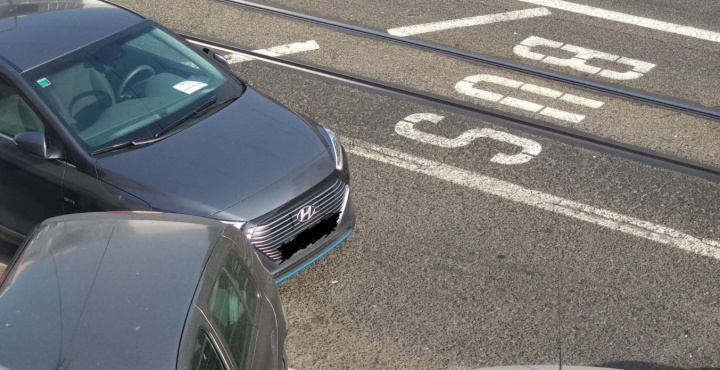
So, just to be clear: parking your car in a prohibited spot and turning on your hazard lights does absolutely nothing to make it legal. It’s a common belief, but it’s completely wrong in the eyes of the law. If you still have doubts, consider Article 50 of the Highway Code, specifically point 1b:
- Parking is not allowed:
- On roadways, especially when double-parked. It’s also forbidden in any spot that blocks properly parked vehicles from leaving, stops them from getting to their spots, or prevents others from using empty spaces.