
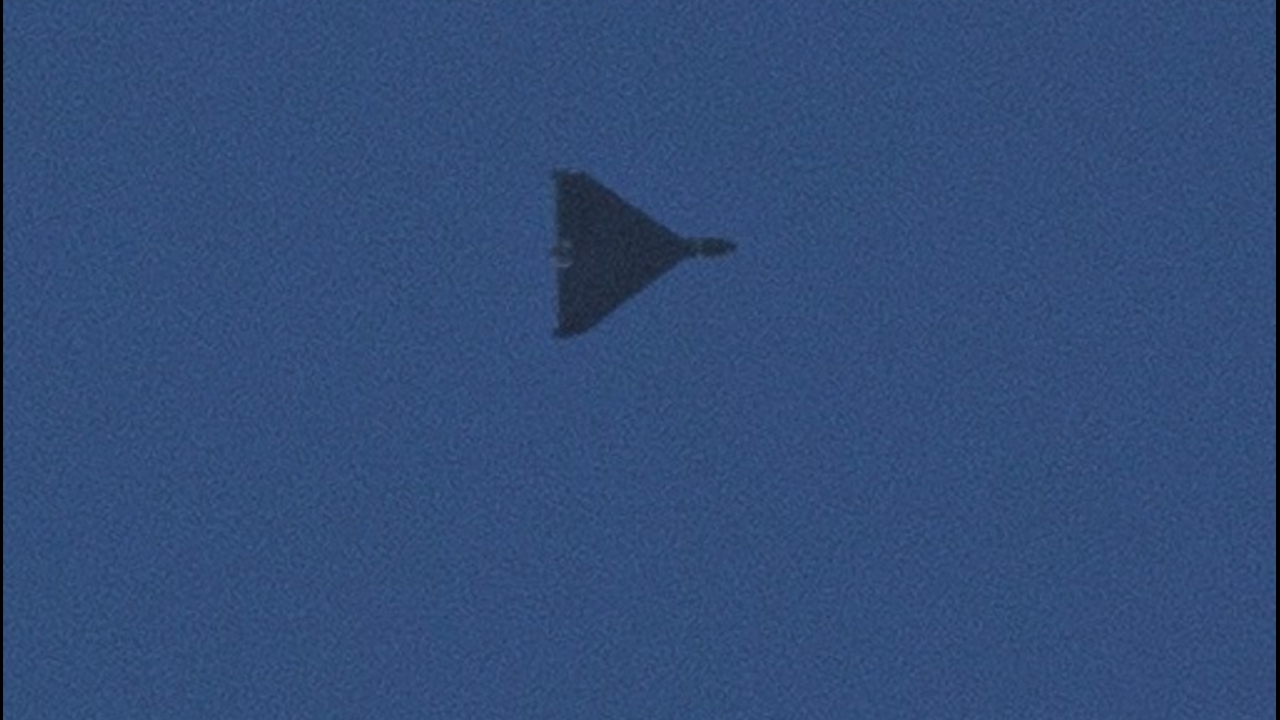
A drone recently crossed into a nation’s airspace, triggering a swift military response. The incident happened on Saturday, coinciding with Russian airstrikes against Ukrainian targets located close to the border. This kind of aerial incursion creates immediate alarm among neighboring countries.
The Defense Ministry confirmed its air force scrambled fighter jets to intercept the unidentified drone. Ionuț Moșteanu, the Defense Minister, reported that F-16 fighter jets managed to get close to the drone. It then turned back, flying into Ukrainian airspace. Around the same time, another NATO member, Poland, also dispatched its own aircraft after detecting a Russian drone violating its skies.
Two F-16s and two Eurofighters were sent by the country’s Defense Ministry to track the intruding drone. They kept an eye on it until it vanished from radar screens. Residents in the Tulcea region, which sits near the Danube River and the Ukrainian border, were advised to seek shelter during the event. Such warnings are a stark reminder of the nearby conflict.
Ukrainian President Volodymyr Zelenskyy took to the social media platform X to voice his concerns. He stated that the drone had reportedly traveled about 10 kilometers into the country’s territory. It remained in NATO airspace for more than 50 minutes. Zelenskyy sharply condemned this as a “clear escalation of Russia’s war,” urging for stronger sanctions and tariffs against Russia.
This event follows earlier statements from NATO, which outlined plans to boost defenses across its eastern flank. These plans were partly spurred by a previous incident where Poland, a NATO member, shot down an intruding drone. That marked the first time a NATO country had taken such action during the ongoing Russia-Ukraine conflict.
While national law permits the military to shoot down drones that cross into its airspace during normal times, the full regulations for doing so have not yet been approved. This situation requires extra careful judgment in such sensitive moments. Maria Malmer Stenergard, Sweden’s Foreign Minister, commented on the breach on social media. She called it “another unacceptable violation of NATO airspace” and reaffirmed Sweden’s solidarity with the country as both a NATO ally and an EU member.
Source: Reuters