
Apple’s new iPhone 17 arrived with a powerful new security feature. This important new capability wasn’t shouted about during their last big presentation. There’s a good reason: Memory Integrity Enforcement (MIE) isn’t something you see or interact with directly. Yet, it’s a vital new tool, making smartphones much safer. This boost in protection isn’t just for the iPhone 17; other iPhones and the latest iOS also get this upgrade.
Stopping Spyware in Its Tracks
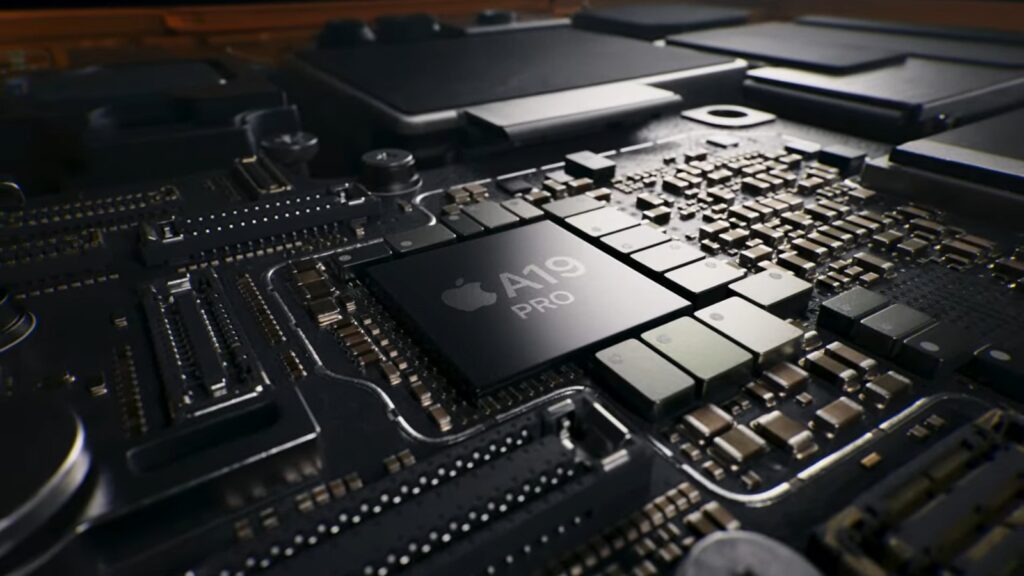
Sure, the A19 and A19 Pro chips in the new iPhone 17 are super fast. They also come packed with smart AI features. But Apple didn’t forget about keeping your data safe. They spent years developing MIE. Apple claims it’s “the most significant advance in memory security in the history of consumer operating systems.” That’s a bold statement from a company known for careful wording.
MIE required a lot of effort in both hardware and software. Put simply, this new feature makes it much harder for spyware to attack people. We’re talking about tricky programs like Pegasus, which dig into memory flaws. It also helps block Spectre vulnerabilities. These come from how processors predict what you’ll do next. Sadly, these types of flaws are still very common in today’s world.
The iPhone 17’s chips use a special technology called Enhanced Memory Tagging Extension (EMTE). Apple worked with Arm to create it. Imagine a secret ID tag on every small part of memory. If a program tries to get to a memory spot with the wrong tag, access is instantly blocked and recorded. This stops many common problems like software bugs or a hacker trick called a buffer overflow attack.
Fresh Protections for iPhone 17
Apple’s security research team released a document about MIE. They insist this technology doesn’t slow down the phone, even though it runs constantly. They also added new ways to keep those memory tags private. This helps stop Spectre-type attacks even further. MIE affects more than 70 different system processes, including the very core of how iOS works.
Apple says they didn’t hold back in building this new layer of defense. This work took them years to complete. MIE essentially blocks hackers. Their usual tricks and tools become useless or too weak to actually cause harm.
Apple’s approach here brings to mind similar security work by other companies. Microsoft has boosted protections in Windows 11. Arm and Google have worked on Memory Tagging Extension (MTE) for some Pixel phones. But Apple has gone further. Their version, MIE, is turned on by default. You don’t need to change any settings. This doesn’t mean the iPhone 17 is completely safe from every attack. But it definitely makes a hacker’s job much, much harder.
Source: Apple Security Research Blog