
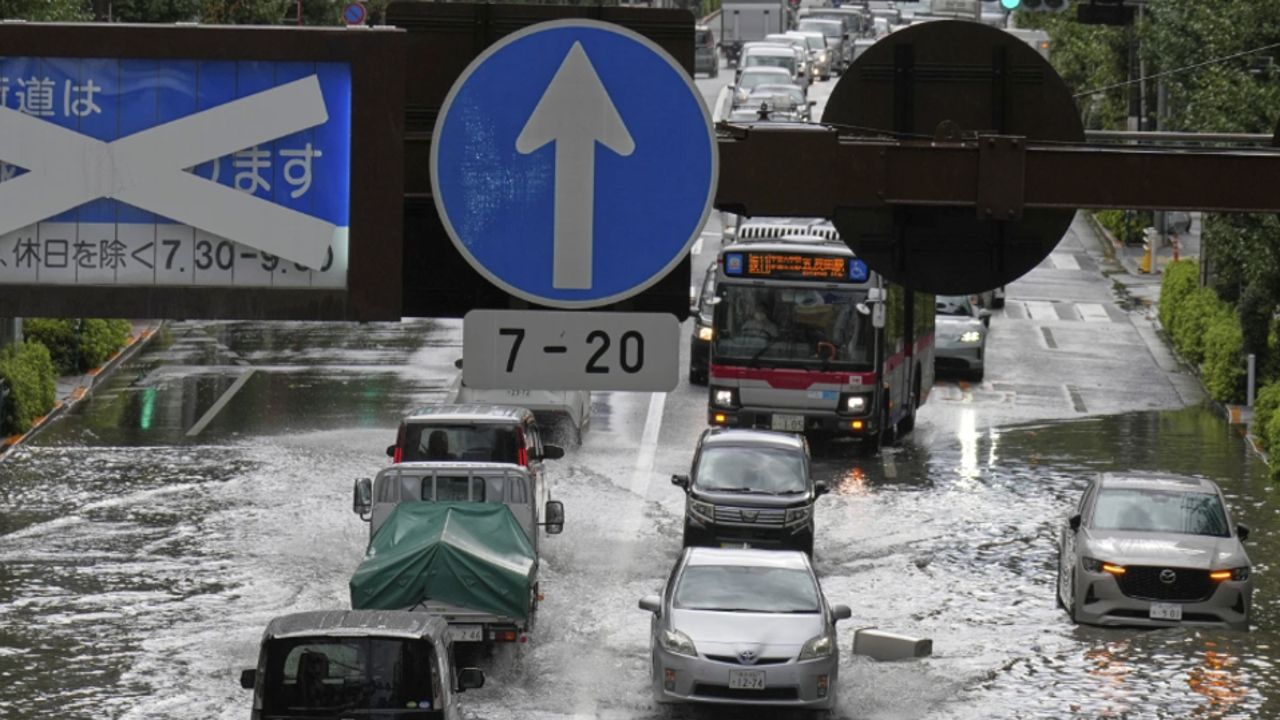
The skies above Tokyo opened up yesterday, unleashing a torrent that quickly brought parts of the famously efficient city to a crawl. Streets turned into rivers, stranding vehicles and halting the usual hum of metropolitan life. This sudden downpour threw a wrench into the city’s complex transit systems, stopping both trains and flights in their tracks.
Travelers at Haneda Airport found themselves grounded when powerful lightning strikes forced a complete shutdown. Air traffic controllers and ground crews had to halt all operations for safety. This meant no planes could take off, leaving many passengers waiting for the storm to pass.
The impact wasn’t limited to the airways. Japan’s extensive rail network also faced significant disruptions. Iconic bullet trains, known as Shinkansen, stopped running. Other regional train lines across the area also had to suspend services. This left commuters and travelers searching for alternative ways to get around.

Reports from the Japan Meteorological Association confirmed the intensity of the storm. Some areas in Tokyo received as much as 12 centimeters, or about 4.7 inches, of rain in just one hour. This volume of water overwhelmed drainage systems, leading to widespread flooding.
Beyond the transport woes, residents reported other effects of the extreme weather. Social media users shared images of hail falling in different parts of the city. The Tokyo Electric Power Company, known as TEPCO, announced that over 7,000 homes lost electricity due to the conditions.
Authorities quickly issued warnings for severe thunderstorms expected to continue through the night. They urged people to stay indoors and avoid any non-essential travel. Officials also advised everyone to keep a close eye on weather updates as the situation developed.
Source: AP