
Starting January 1, 2025, a significant policy shift made several main highways completely free to use. These routes were once known as SCUT, which meant “Without Costs for the User.” New data shows a dramatic result: traffic on these former toll roads has surged by 30%.
The Institute for Mobility and Transport (IMT) just released its latest figures. Their report for the second quarter of 2025 highlights this change. It shows that average traffic on the former SCUT routes increased by almost 30%. This is compared to June 2024, when drivers were still paying tolls.
This decision to drop tolls was made back in June 2024. The main goal was to better connect different parts of the nation. It aimed to help regions where people lacked safe and good quality road options.
Highways See Big Increases
Several specific highways recorded notable jumps in activity:
- A13-1 (Pinhal Interior subconcession): Vehicle traffic here shot up by 46%.
- A13 (same concession): This road saw an increase of more than 36% in average daily traffic.
- Via do Infante (A22), in the Algarve: This route got 28.6% busier.
- A23 (Beira Interior): Traffic rose by 29%.
- A24 (Interior Norte): This highway experienced a 25.5% boost.
- A25: Traffic here grew by 21%.
- A28:
- The section between Esposende and Antas saw an increase of over 20%.
- The Neiva to Darque stretch had a jump of 36%.
One major route, the A4, which includes the Transmontana highway and the Marão Tunnel, also became toll-free. However, the IMT’s current data does not yet cover the changes in traffic for this specific road.
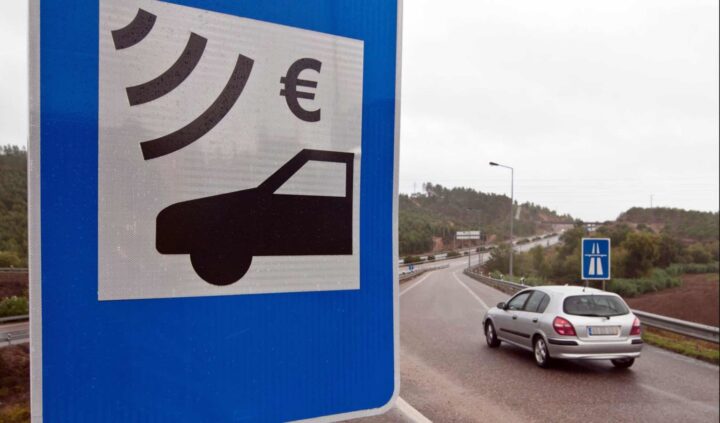
Making these roads free comes with a financial impact. The government initially estimated a loss of about 180 million euros in revenue for 2025, according to the State Budget. Yet, Infraestruturas de Portugal (IP), the company managing the roads, predicts an even larger direct revenue loss. They project this loss could be around 257 million euros. These figures show the true cost of making essential routes accessible to everyone.