
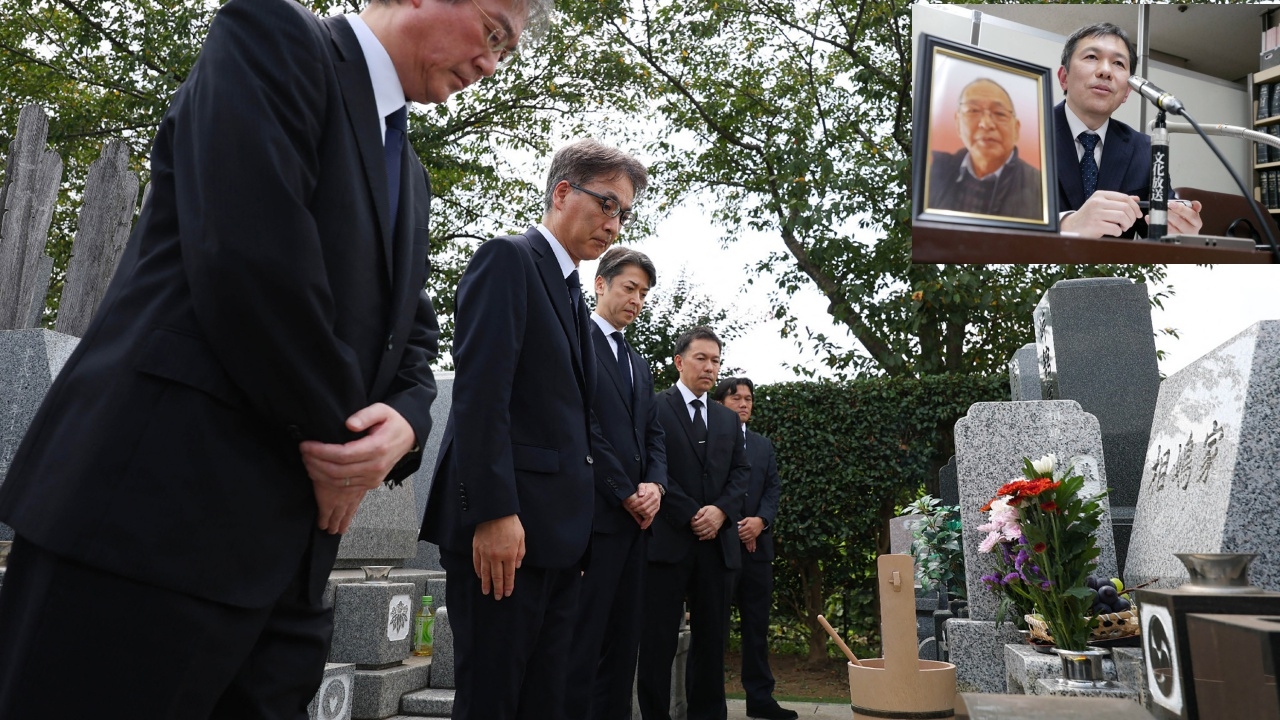
In a rare admission of error, officials bowed their heads and placed flowers at a gravesite. They offered a formal apology to Shizuo Aishima, a businessman who died after being wrongly accused. His case involved exporting industrial machinery thought to have military uses.
Mr. Aishima and three other company executives faced arrest in March 2020. They were charged with illegal export activities. Sadly, Mr. Aishima passed away from stomach cancer in February 2021. Prosecutors dropped all charges against him just five months later, in July 2021. His family attended the apology ceremony at a Yokohama cemetery on a recent Monday. His wife stated she accepted the apology but could not forgive those behind the false accusations.
Mr. Aishima’s company, Ohkawara Kakohki, filed a lawsuit seeking damages in Tokyo in September 2021. The court ruled in their favor. It found the prosecution unlawful and ordered 166 million yen in compensation.
The charges stemmed from the company’s export of “spray dryer” machines. These machines change liquids into powder. Authorities believed they could be used for military purposes. However, the company maintained its business fell outside export restrictions. Prosecutors ultimately dropped the case. They admitted “doubts” about the defendants’ guilt.
Prosecutor Hiroshi Ishikawa publicly apologized for the grave injustice. He said, “We sincerely regret the severe human rights violations.” This included the wrongful detention and prosecution, he noted. He also pointed to the improper denial of bail. This kept Mr. Aishima from getting crucial medical care.
Reports showed Mr. Aishima requested bail eight times. Each request was denied. Neither the Tokyo Metropolitan Police Department nor the Tokyo District Public Prosecutors Office appealed the compensation ruling. The court’s decision became final on June 11.
Both agencies investigated the reasons for the flawed prosecution. However, Mr. Aishima’s family felt the investigation missed the true causes. They also believed the proposed punishments were too lenient.
Source: BBC