
Many people have heard about “diving through a VPN” to watch movies or shows not available in their country. It is a popular trick. But what exactly is a VPN? And is using one like this against the law or just bending the rules? Let’s clear things up.
Getting to Know VPNs
VPN stands for Virtual Private Network. Think of it as your own private road on the internet. This idea came about in 1996. Microsoft, a big tech company, created the first system. It was called PPTP, or Point-to-Point Tunneling Protocol. This was the start of VPN technology.
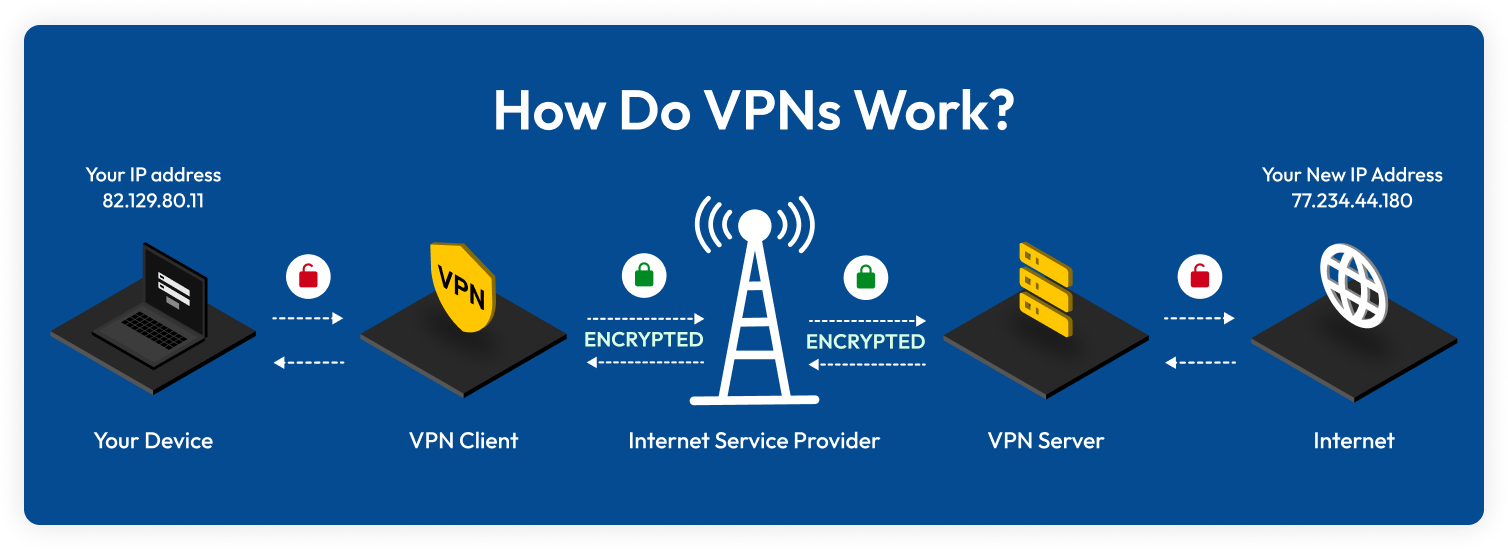
This technology creates a secure, encrypted “tunnel” for your device to connect to the internet. Any information you send through this tunnel is safe. No one can easily spy on or track your data. It also makes it look like your internet connection is coming from a completely different part of the world.
To use a VPN, you need a VPN Client. This is software on your device that lets you connect remotely. It builds a special connection pathway, which we call an Interface.
When you install any VPN program, it sets up this VPN Interface. This new interface connects to a VPN Server, which is your chosen destination. For example, imagine you are in Japan. You might need to access a database at your office in the United States. A VPN lets you connect securely to that U.S. company server.
During the COVID-19 pandemic, many companies switched to remote work. VPNs became super important. Employees used them to safely get to company files, programs, and important databases from home. VPNs made working remotely smooth and secure, just like being in the office.
The Good Side of VPNs
VPNs do more than just help you watch geo-restricted content. They offer many other benefits:
- Better Security and Privacy
VPNs encrypt your data. This means your internet provider, hackers, or even the government cannot easily see what you do online.
- Safer Public Wi-Fi Use
Using free Wi-Fi in places like coffee shops or airports can be risky. Your data could be stolen. A VPN encrypts all your information, making it much safer.
- No More Slowdowns (Throttling)
Some internet providers might slow down your internet. This often happens if they see you streaming a lot or downloading huge files. A VPN hides these activities from your provider. This lets you use your internet at full speed.

How VPNs Unlock Global Content
Many streaming services like Netflix or YouTube block content in certain regions. This happens because of licensing agreements with content owners. When you try to visit these sites, they check your IP Address. This IP address tells them your location. If your location is in a country not allowed, you cannot see the content.
When you connect to a VPN, you pick a server in another country. Maybe the U.S., Japan, or the U.K. Your IP address then changes to that server’s address. The website you visit thinks you are in that country. This allows you to watch the content that was once blocked.
Is Copyright Infringement Through VPNs Illegal?
Using a VPN is legal in most countries around the world. However, people can still do illegal things while using a VPN. For example, using a VPN to watch streaming content that is blocked in your region is not directly breaking copyright law. Instead, it usually breaks the terms of service agreement you have with that streaming provider. This could lead to your account being suspended.
On the other hand, downloading or streaming copyrighted content without permission is against the law. This is true whether you use a VPN or not. It is a clear act of copyright infringement.
So, a VPN is a powerful tool for privacy and security online. But if you do something illegal while using it, it is still an illegal act.
It is very important to avoid using a VPN in countries where they are illegal. These include Belarus, China, Iraq, Iran, Oman, Russia, Turkey, Uganda, the United Arab Emirates, and Venezuela. Also, never use a VPN for illegal activities, such as pirated downloads.
Here are some real examples of consequences:
- In 2020, a man in China faced administrative punishment for trying to get around the Great Firewall.
- In 2019, a VPN provider was sent to jail for five and a half years and fined $76,000.
- In 2017, a man was fined roughly $155 just for using a VPN.
These punishments show how serious the issue can be. It highlights why choosing the right VPN is critical, especially when traveling to countries with strict internet rules. Before your trip, always look into the local VPN laws. Also, check what content might put you at risk of breaking local laws.

Before VPN technology became widely available, many businesses used something called “Port Forward” instead. This allowed employees outside the office to connect to the company’s internal network.
Port Forward meant setting things up so that certain services inside a network could be reached from the outside internet.
However, companies in the 1990s found Port Forwarding inconvenient and limited. It also carried a high risk of security breaches. Because of these issues, they began to close down Port Forward connections. They switched to using VPNs instead.
VPNs were much more secure and easier to manage. This made them a far better solution for remote connections. They greatly improved both reliability and safety.