
Tech reporters are buzzing about the next version of Android. A trusted source told Android Authority about a sweet secret. It seems Android 17 is being developed with the internal name ‘Cinnamon Bun’.
This news fits Google’s long history of naming Android versions after desserts. For years, each new Android release got a tasty treat as its codename. This tradition has been a fun part of Android’s journey.
A History of Sweet Names
Google’s Android journey began without a public dessert name. But soon, the tradition started. Here is a look at the past Android codenames:
- Android 1.0 (2008): No codename
- Android 1.1 (2009): Petit Four (internal only)
- Android 1.5 (2009): Cupcake
- Android 1.6 (2009): Donut
- Android 2.0, 2.1 (2009): Éclair
- Android 2.2 (2010): Froyo
- Android 2.3 (2010): Gingerbread
- Android 3 (2011): Honeycomb
- Android 4 (2011): Ice Cream Sandwich
- Android 4.1, 4.2, 4.3 (2012): Jelly Bean
- Android 4.4 (2013): KitKat
- Android 5.0, 5.1 (2014): Lollipop
- Android 6 (2015): Marshmallow
- Android 7.0, 7.1 (2016): Nougat
- Android 8.0, 8.1 (2017): Oreo
- Android 9 (2018): Pie
- Android 10 (2019): Quince Tart (internal only)
- Android 11 (2020): Red Velvet Cake (internal only)
- Android 12, 12L (2021): Snow Cone (internal only)
- Android 13 (2022): Tiramisu (internal only)
- Android 14 (2023): Upside Down Cake (internal only)
- Android 15 (2024): Vanilla Ice Cream (internal only)
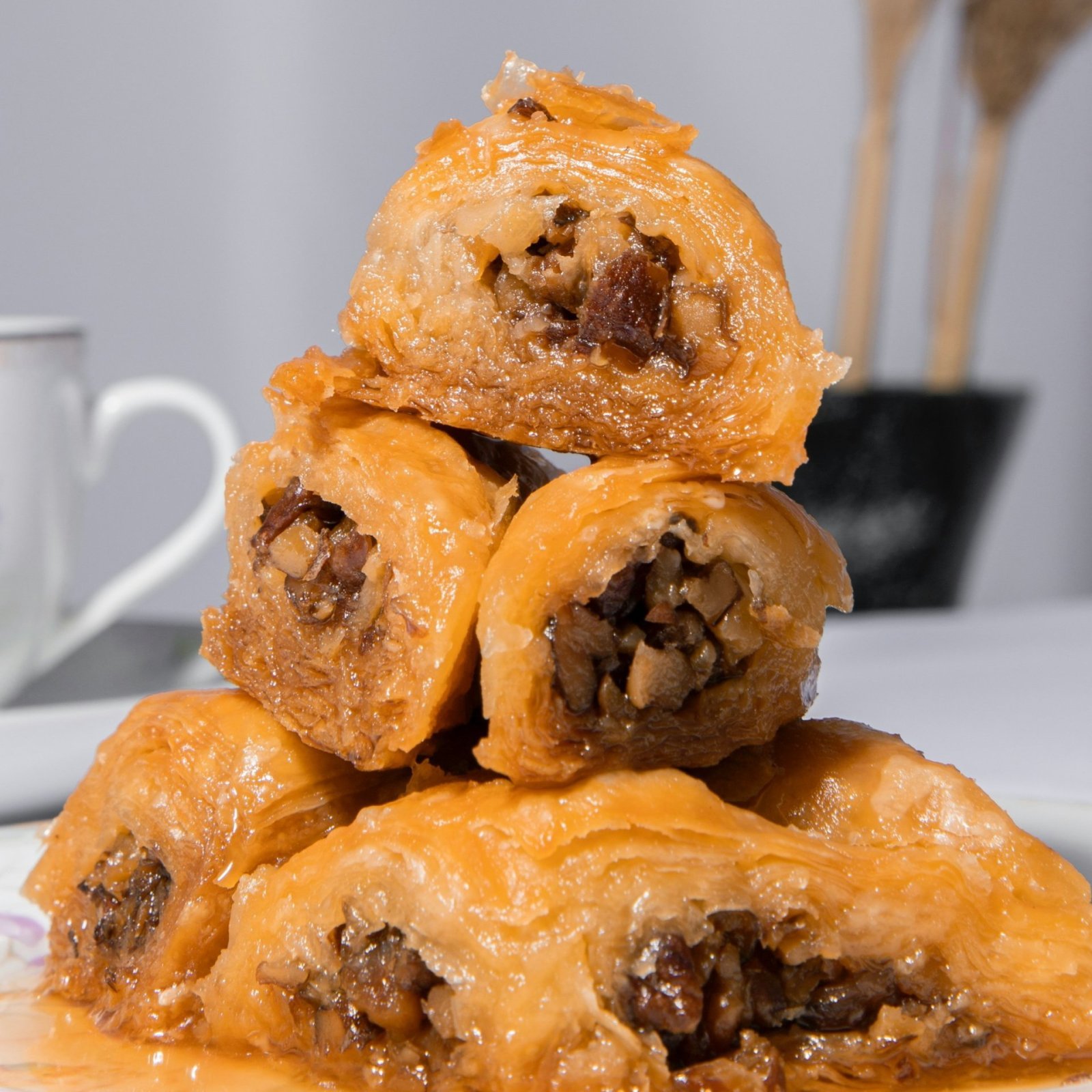
- Android 16 (2025): Baklava (internal only)

You might notice a pattern in those names. Google used to pick codenames that followed alphabetical order. For example, Android 1.5 was Cupcake (C), Android 1.6 was Donut (D), and Android 2.0 was Éclair (E).
This went on for many years, all the way to Android 15, which was Vanilla Ice Cream (V). But then something changed. Android 16, coming in 2025, isn’t named with a ‘W’ as expected. Instead, it resets to ‘B’ with Baklava.
Why the Change?
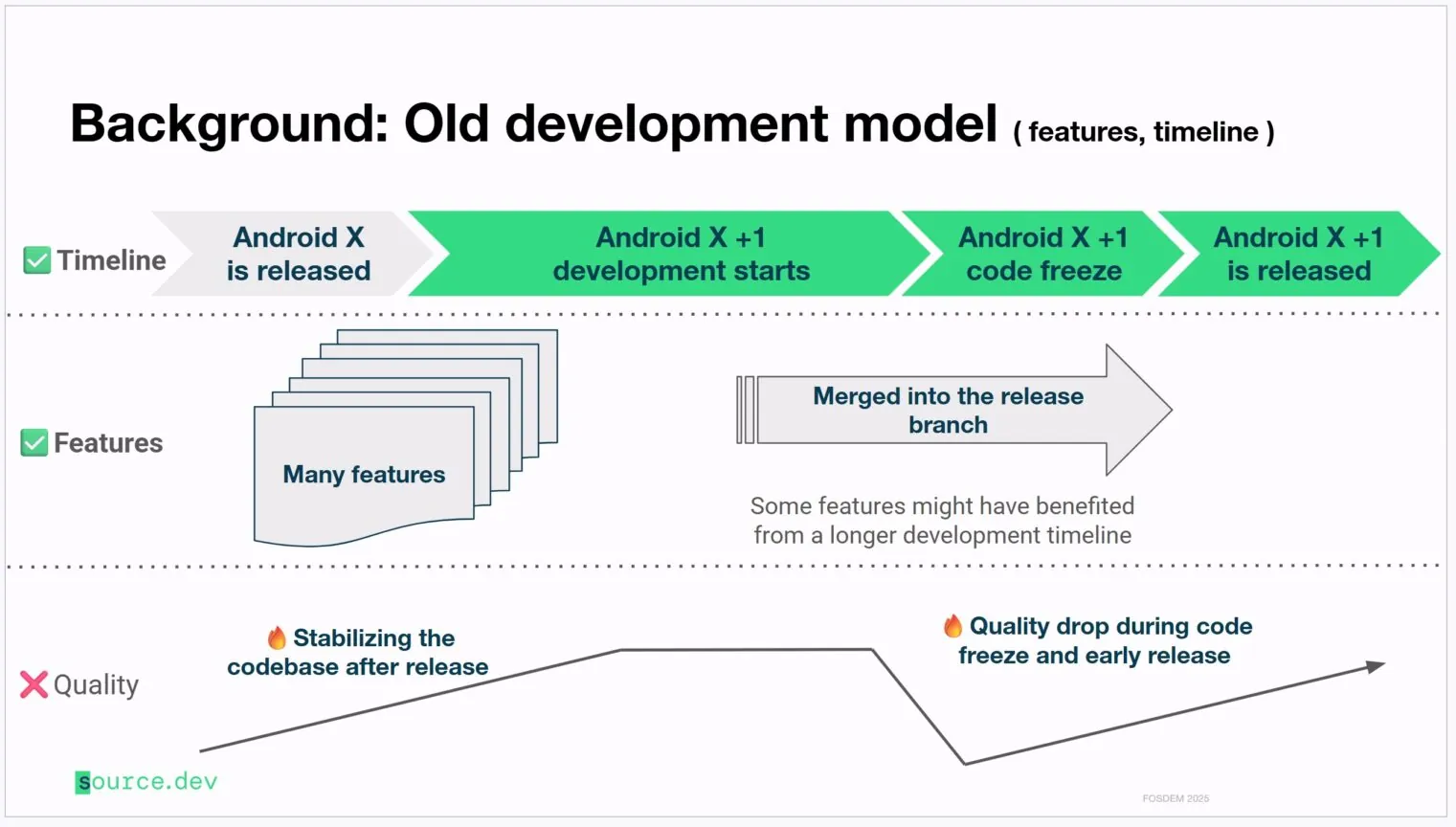
Sources say Google shifted how it builds Android. The old way was called the ‘Branch-Based Model’. Developers worked on separate parts of the code. Later, these parts were put together. This often led to problems where the code didn’t fit right. Google had to fix these ‘merge conflicts’ internally.
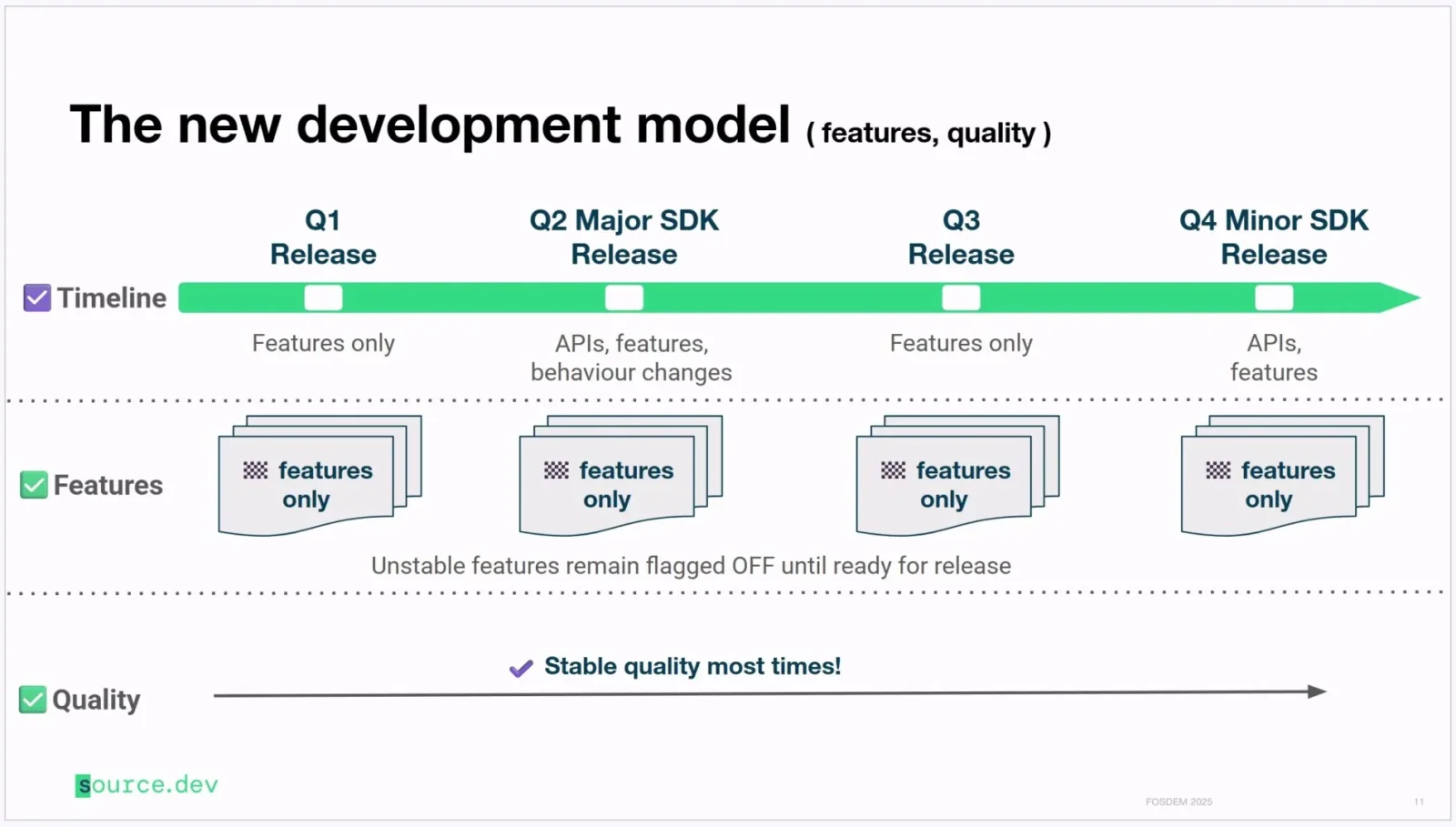
Now, Google uses a new approach called ‘Trunk Stable’. In this system, all developers work on one main code branch. This helps keep the system very stable. New features, fixes, and tools are hidden in the code. They stay hidden using ‘Feature Flags’ until they are fully ready to be used.
Google began this new way of working with Android 14 QPR2. That’s when the version numbers, or ‘Build IDs’, reset to AP1A. Android 14 QPR3 then became AP2A. However, Android 14 and Android 15 already had their codenames, Upside Down Cake (U) and Vanilla Ice Cream (V). These names were set before the reset. So, Google started the codename reset with Android 16, using ‘B’ for Baklava.
This means Android 17, set to arrive in March 2026, will likely have a codename starting with ‘C’. Since Cupcake was already used for Android 1.5 back in 2009, ‘Cinnamon Bun’ is a good guess. It looks like Google is starting a fresh alphabetical sequence for its Android dessert names.