
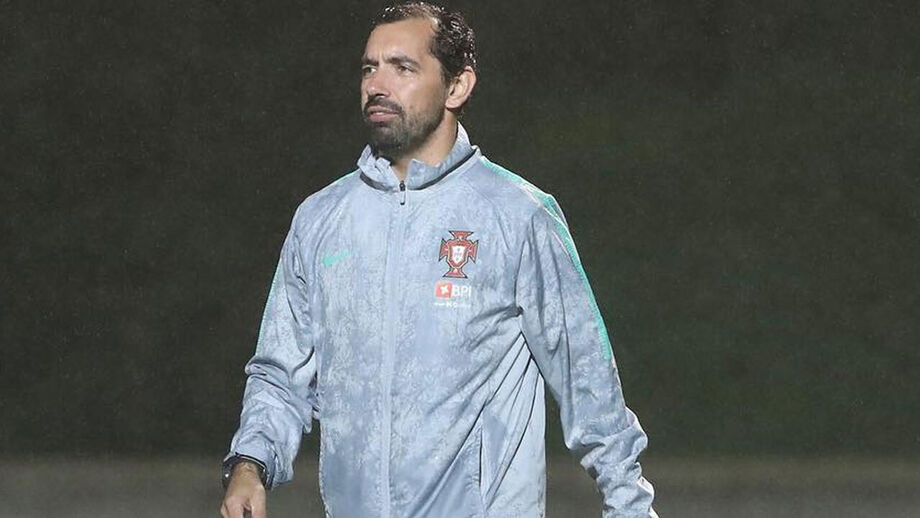
The lifeblood of any sport flows not just from its superstars, but from the quiet work done behind the scenes. Think about it: every big name started somewhere small. Óscar Tojo, who serves as the national technical director for the football federation, has a clear vision. He believes that every game, from top-tier professional matches down to youth tournaments, must get better. This isn’t just a wish; it’s a careful plan to make sure talent keeps rising. Tojo knows the sports world needs to keep looking at how its leagues are set up.
“We have great hopes for this season,” Tojo told Lusa agency, just as many national championships were about to kick off. He stressed the importance of these competitions. They sit just below the highest levels. This closeness helps young players make the jump to the professional game. “It’s key for us to offer the best possible competitions,” he explained. This focus helps both the players and coaches in those leagues grow. It also gives clubs the support they need to develop.
The Ladder to Professional Heights
The main competition under the federation’s eye is Liga 3. It sits right below the two professional tiers. This league is about to start its fifth year. One day later, the Campeonato de Portugal begins. This is the fourth and final national level for senior men’s football. These leagues are more than just games. They are vital stages for rising stars.
Tojo highlighted the impact of these lower leagues. Clubs in Liga 3, for instance, put a lot of money into their teams. About 75% of the players are from the nation. Last season, around 350,000 fans came out to watch their matches. “It’s one of our most competitive leagues,” he noted. This high level of play creates positive buzz. It shows how close these teams are to the professional world. Liga 3 has special rules to ensure quality. This brings clubs closer in terms of how they’re run, how much they invest, and how well they play. The goal is to keep the game at a high level.
Nurturing Tomorrow’s Talent
It’s not just the senior leagues getting attention. The national championships for U19 and U17 players also started recently. The Liga Revelação, which is for U23 players, began too. The U15 First Division will follow later in September. These youth leagues are where future stars are made.
The technical director shared some interesting numbers. His team, using their competition and intelligence departments, has tracked how competitive these leagues have been. The data shows strong results. In the most recent analysis, U17 games were 74% competitive, U19s were 83%, and Liga Revelação reached 85%. The Campeonato de Portugal hit 89%, and Liga 3 was 91% competitive. This success shows up in big tournaments too. In the last national cup, two third-tier clubs and four fourth-tier clubs reached the Round of 16. One of them, Tirsense, even made it to the semi-finals. Meanwhile, ten first-tier clubs were there, but no second-tier teams.
Professional clubs are always looking for new talent. They often recruit from Liga 3. Tojo pointed out that Liga Revelação is also a major source. About 40% of its players are between 16 and 18 years old. Almost 38% of them go on to higher levels in their careers. More than half even reach the first or second professional leagues.
Planning for the Future
Tojo joined the federation in June. He believes it’s crucial to talk about how non-professional and youth competitions are structured. This is a key focus for the federation, led by its president, Pedro Proença. Even with strong examples of success, the federation wants to ensure talent keeps growing across all forms of football, including futsal and beach football, for both men and women.
“We feel we need to really think things through,” Tojo admitted. This season will be very important for them. They haven’t had time for a deep study on changes they might make in the coming years. But that’s changing. “We are setting up ongoing committees,” he explained. These groups will study the impact of current competitions. They will also look at how to change them. This is all about making sure the sport grows and meets its needs. Tojo knows his stuff, having been a physiologist for the U21 national team and FC Porto.
A New Way to Oversee Games
A new initiative for the 2025/26 season is called the “Match Center.” Through this system, the federation will make sure its delegates are present at every single match it organizes. This is a big step.
“It’s a new plan,” he finished. “It links everything up and brings contacts together.” This setup helps ensure games are played well. It means quality matches, just as everyone expects. This makes the game more appealing for fans. It also provides a strong answer to how they maintain quality.