
It’s 2025, and you might expect the creator of Linux, Linus Torvalds, to be running the absolute newest tech. After all, he’s at the heart of the tech world. But a recent report from Tom’s Hardware on Friday spilled a surprising secret: Torvalds still relies on a graphics card from 2017. Yes, that’s right, his main development computer uses an AMD Radeon RX 580.
This isn’t a case of being behind the times. Instead, it shows his smart approach to hardware. For Torvalds, what matters most is stability. He needs hardware that works well with Linux. It must also have steady open-source driver support. This old GPU gives him just that.
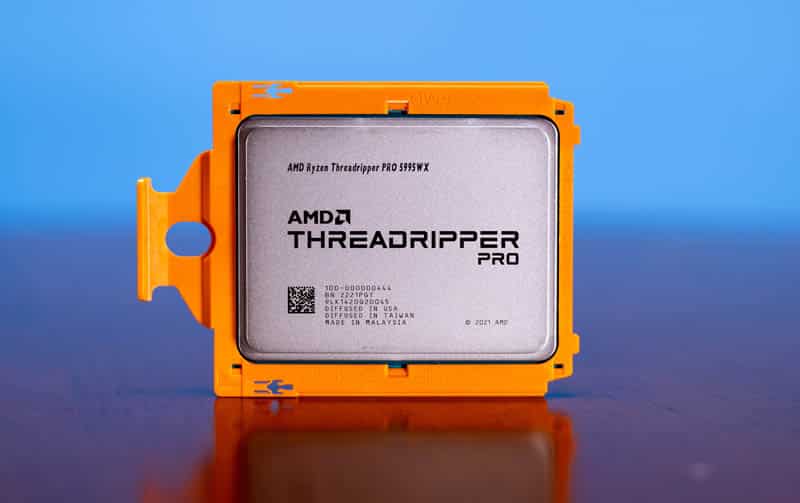
His main workstation is quite a beast, though not in the way you might think. It runs on an AMD Ryzen Threadripper processor. This chip has many cores, which is perfect for building Linux kernels quickly. Interview details show that Torvalds switched from an Intel Core i9-9900K to a Threadripper 3970X years ago. He has stuck with these solutions because they deliver the performance and compatibility he needs.
A Powerful Workstation
Why keep such an older graphics card when powerful new GPUs are everywhere? These new cards are often designed for AI and intense gaming. Torvalds has a simple reason: he wants things to be predictable. He focuses on kernel development. He doesn’t want surprises from drivers that are not open source. He also avoids sudden, big changes to his setup.
The RX 580 does its job well enough for what he needs. It handles tasks like compiling code. It also checks for graphical errors and manages 5K monitors. This is thanks to a feature called Display Stream Compression (DSC). Torvalds himself helped test and put this standard into place.
On the Go Tech Choices
When he travels, the Linux creator uses an Intel laptop. This machine has integrated Intel i915 graphics. You might think he’d use something flashier, but he carefully avoids Apple Silicon platforms. He finds their hardware restrictions make it hard to test and integrate the kernel.
Apple’s Brief Moment
Interestingly, Torvalds did try an Apple MacBook Pro with an M2 chip. This was during early Linux development, using something called Asahi Linux. But he quickly stopped using it. The main problem was how hard it was to get open hardware support. He went back to the Intel laptop. This move showed his preference for open platforms that are easy for developers to work with.
Linus Torvalds sums up his practical outlook with a simple saying: “If it works, don’t fix it.” He cares more about technical predictability than raw power. He stays away from anything that adds complexity or could cause problems with the kernel. Instead, he favors products with strong open-source support. This includes AMD drivers that are already part of the Linux core code. His choices offer a unique lesson in tech philosophy. It’s about building great things on a solid, dependable base.