
The Metaverse is not yet for everyone. That is probably the most important lesson the European Union has learned after hosting a party that few people attended. The party was meant to spark young people’s interest in digital and augmented reality, but it didn’t end well.
Totally flopped party
On Tuesday, the department hosted a “virtual party” to invite youth to explore the so-called boundless potential of the metaverse. Despite spending €387,000, the party didn’t really get going as only six people showed up.
One of them was Vince Chadwick, a correspondent who didn’t mince words by saying the activity was a “total flop”. Chadwick said he encountered a total of five other participants at the entire party.
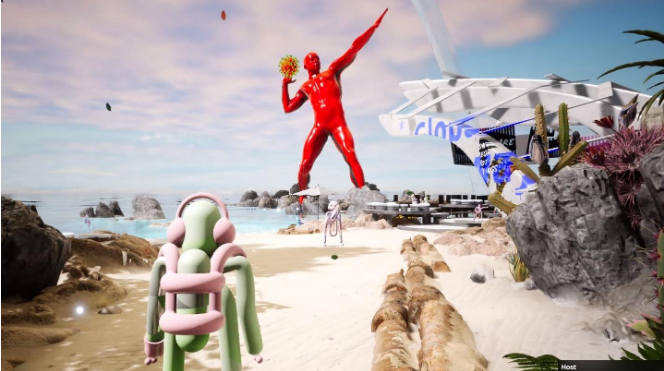
Setback for the ambitious EU Metaverse plan
The lifeless virtual party turned out to be an essential part of the European Commission’s Global Gateway Initiative, which aims to allocate funds of up to €300 billion by 2027 to set up various infrastructures in developing countries.
With an official trailer posted to social media in mid-October, the activity was supposed to be a means for the youth to explore the initiative. A spokesperson for the project revealed that it was aimed at young individuals who spend much of their time on other social media platforms such as TikTok and Instagram. However, not a single young person showed up.
Party was doomed even before it started
It was already known that a large number of employees of the department were not confident that the party would be a smashing success, despite the amount of money spent to make it happen. Some sources even described it as “digital garbage” and she called it “depressing and embarrassing”.
Some Twitter users also question the EU’s choice of where to spend its money now that there is a massive drought in East Africa and the UNHCR has funding problems for food for camp refugees.
All in all, it was not the best turn for the metaverse, but certainly not for the European Union.