
It’s important to be prepared for emergency situations. That means having the necessary supplies on hand, and knowing what to do in case of an emergency. In this blog post, we will provide you with some useful tips on how to be prepared for emergencies. We’ll also discuss the warning signs and alert signals that indicate an emergency is taking place. So please read on for helpful information that could save your life!
Learn First Aid
One of the most useful skills you can have is first aid. Knowing how to administer first aid can mean the difference between life and death in an emergency situation. If you don’t already know how to do first aid, there are plenty of resources available to help you learn. The Red Cross offers certification courses in first aid, and there are also many books and online resources that can teach you the basics. In addition, you can also find video tutorials that show you how to perform various first aid procedures. You can never know when you might need to use first aid, so it’s always a good idea to be prepared.
Have a First Aid Kit
In addition to knowing how to administer first aid, it’s also important to have a first aid kit on hand. A good first aid kit should include items like bandages, gauze, scissors, and antiseptic wipes. It can also be helpful to include items like a thermometer, tweezers, and pain medication. You can purchase first aid kits at most drugstores or online. You can also assemble your own kit by gathering the necessary supplies and storing them in a safe place. By knowing first aid and having a first aid kit on hand, you’ll be prepared to handle many different types of emergencies.
Have a List of Emergency Numbers
It’s also important to have a list of emergency numbers on hand. This way, if an emergency does occur, you’ll know who to call for help. In the United States, the emergency number is 911. This emergency number can be used to reach the police, fire department, or ambulance service. It’s important to program this number into your phone so that you can easily access it in an emergency. You should also keep a list of other emergency numbers, such as the poison control center and your local hospital, in a safe place. On the other hand, if you’re not from the USA, you should look up the emergency number for your country and keep it handy. In addition, you should also have the contact information for your family and friends in case of an emergency.
Always Have Spare Water
In any emergency situation, water is one of the most important things to have on hand. That’s why it’s always a good idea to have some spare water on hand. You can buy a plastic water tank, or you can fill up some reusable water bottles. It’s important to have at least a few days’ worths of water on hand in case of an emergency. You should also have a water filter or purification system in case you need to drink from a natural water source. By having spare water on hand, you’ll be prepared to handle any emergency situation.
And Spare Food
In addition to water, food is another essential item to have in an emergency situation. That’s why it’s a good idea to have some spare food on hand. Non-perishable items like canned goods and dry goods are ideal for storing in an emergency kit. You should also have some snacks on hand, like energy bars or trail mix. And if you have any special dietary needs, be sure to include food that will meet those needs in your emergency kit. When you have food and water on hand, you’ll be able to weather almost any emergency situation.
Don’t Panic
One of the most important things to remember in an emergency situation is not to panic. When you’re in the middle of an emergency, it’s easy to let your emotions get the best of you. But if you can stay calm, you’ll be better able to think clearly and make decisions. If you start to feel panicked, take a few deep breaths and try to focus on the task at hand. In addition, you can also try to distract yourself by naming objects in the room or singing a song. By staying calm, you’ll be better able to handle any emergency situation.
Know the Warning Signs and Alert Signals
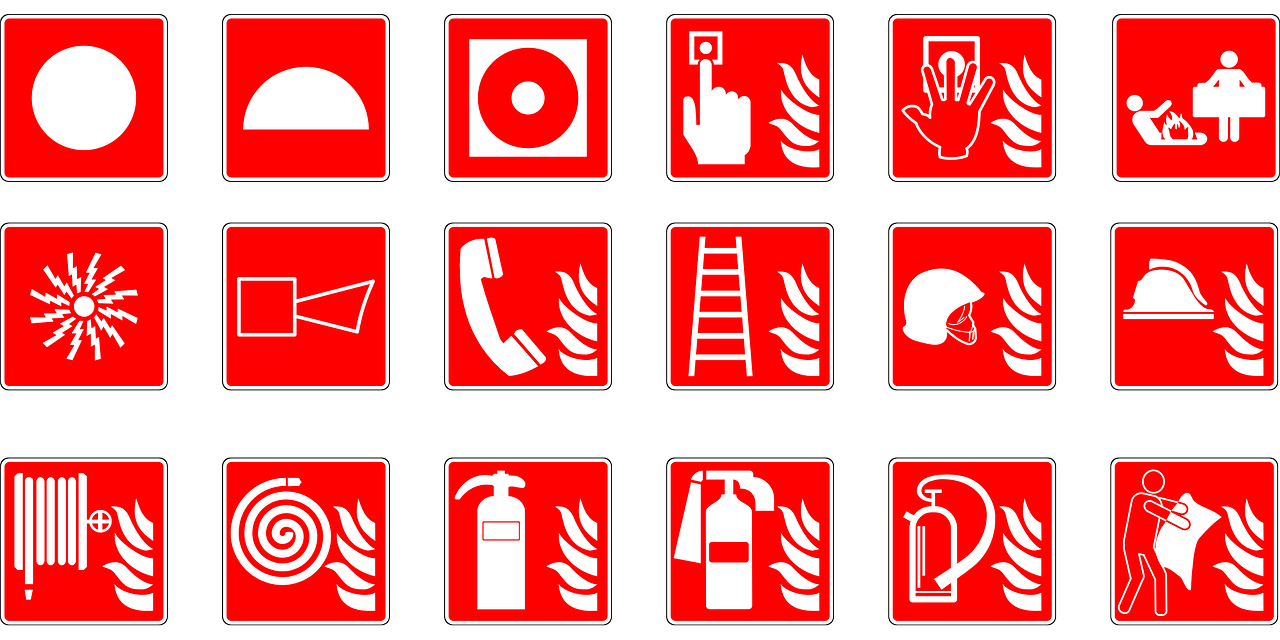
Another important thing to remember is to know the warning signs and alert signals for different types of emergencies. For example, there are different sound signals for a fire, tornado, and tsunami. There are also different color codes for different types of hazardous materials. In addition, you should also know the warning signs for different types of health emergencies, like a heart attack or stroke. For example, chest pain, shortness of breath, and dizziness are all warning signs of a heart attack.
Learn How to Shut Off Your Utilities
In many emergency situations, it’s necessary to shut off your utilities. For example, if there’s a gas leak, you’ll need to shut off your gas. If there’s a power outage, you’ll need to shut off your electricity. And if there’s a water leak, you’ll need to shut off your water. To be prepared for these types of emergencies, you should learn how to shut off your utilities. You can find out how to do this by reading your utility company’s emergency preparedness guide. In addition, you should also keep a copy of these instructions in your emergency kit.
These are just a few of the many things you can do to be prepared for emergency situations. By following these tips, you can be prepared for any emergency situation. Whether it’s a natural disaster or a health emergency, you’ll be able to take action and keep yourself and your loved ones safe. So don’t wait, start preparing for emergencies today. You’ll be glad you did.