
THE autonomy of the electric car is, along with the price, one of the most important points when choosing a new vehicle. That is why we have compiled this list of electric cars with greater autonomy, from the best to the cheapest, available in Portugal.
The criterion used was the cycle wltp (Globally Harmonized Light Vehicle Test Procedure). It is the main indicator to take into account in 2022 to compare the consumption and autonomy of electric vehicles from Tesla and other manufacturers.
1. Tesla Rodster is the electric car with the longest range – 970 km
Autonomy (WLTP): 970km
Power: 1000 kW / 1360 hp
Acceleration (0/100km/h): 2.1s
Binary: 1200nm
Maximum speed: 410km/h
Price: €215,000
The electric car with greater autonomy can now be ordered in Portugal through the Tesla website. It is a 100% electric supercar whose autonomy can reach 1,000 km, an unprecedented milestone.
The charging power ranges from 22 kW in alternating current to 250 kW in direct current. The consumption of the electric vehicle ranges between 210 Wh/km, values provided by the manufacturer, in the absence of independent tests.
It is far from being the cheapest electric car, but so far it is the vehicle with the best autonomy in the sector. It is, however, the example to follow in the range of electric cars.
2. Tesla Model S – 610km

Autonomy (WLTP): 610km
Power: 350 kW / 476 hp
Acceleration (0/100km/h): 3.8s
Binary: 750nm
Maximum speed: 250km/h
Price: €89,800
Tesla’s 5-seater saloon was the first regular production electric vehicle after the Roadster. It is also one of the oldest in this young market, introduced in 2012 and receiving the latest update in 2019 with two versions.
the version long range this vehicle is capable of providing 610 km of autonomy. The charging power ranges from 16.5 kW in alternating current to 200 kW in direct current, taking between 7 hours and 38 minutes depending on the charging point.
The energy consumption is 156 Wh/km for this car with two motors, all-wheel drive and batteries with a capacity of 95 kWh. It is a great example of a large electric car with a long range.
3. Tesla Model 3 – 560km
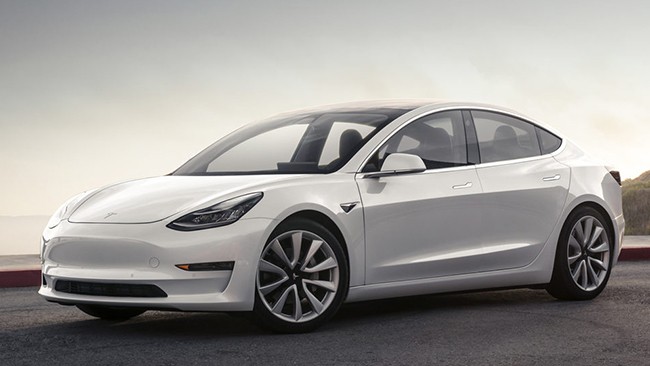
Autonomy (WLTP): 560km
Power: 258 kW / 351 hp
Acceleration (0/100km/h): 4.6s
Binary: 527nm
Maximum speed: 233km/h
Price: €59,600
The Model 3 is Tesla’s cheapest electric vehicle available in Portugal. The autonomy of the Long Range version is the great asset, delivering up to 560 km in the WLTP cycle in the model with the largest battery and 74 kWh capacity.
The charging power ranges from 11 kW in alternating current to 250 kW in direct current, taking between 8 hours and 22 minutes depending on the charging point. The energy consumption is 156 Wh/km for this car with two motors and 132 Wh/km.
The 5-seater sedan is relatively compact, making it Tesla’s cheapest electric car in base version.
4. Tesla Model X – 507 km

Autonomy (WLTP): 507km
Power: 350 kW / 476 hp
Acceleration (0/100km/h): 4.6s
Binary: 750nm
Maximum speed: 250km/h
Price: €95,400
The “Falcon Doors” are the highlight of Tesla’s seven-seater minivan. It is an electric vehicle with a range of more than 500 km in the WLTP cycle, with space for the whole family and a maximum boot volume of 2,492 litres.
It has a charging power of 16.5 kW in AC, taking 7 hours to charge. Already in direct current, the charging power reaches 200 kW, taking 38 minutes with a consumption of around 187 Wh/km.
Model X is equipped with 95 kWh capacity batteries, leading range in the MPV segment.
5. Jaguar I-Pace – 470km

Autonomy (WLTP): 470km
Power: 294 kW / 400 hp
Acceleration (0/100km/h): 4.8s
Binary: 696nm
Maximum speed: 200km/h
Price: €81,738
The first high-performance electric SUV marketed by Jaguar in Portugal received the Vehicle of the Year award in 2019 and is in category 1 of Via Verde. It has 5 seats and a large trunk of 1163 liters.
The 85 kWh batteries achieve a charging power of 7.4 kW in AC, taking 13:30 hours to charge. In direct current, the power reached is 100 kW, taking about 45 minutes to charge, with a consumption of 220 Wh/km.
The interior of the I-PACE stands out for the quality of finishes and equipment of this electric car.
6. Kia e-Niro – 455km

Autonomy (WLTP): 455km
Power: 150 kW / 204 hp
Acceleration (0/100km/h): 7.8s
Binary: 395nm
Maximum speed: 167km/h
Price: €45,500
The KIA electric car has a capacity of 5 seats and a large trunk of 451 liters. It is equipped with batteries with a capacity of 64 kWh and has a total consumption of 159 Wh/km in a well equipped and nicely finished vehicle.
7 kW AC charging power translates to 10 hours and 30 minutes of charging under normal conditions. Already in fast charge in direct current, it reaches a maximum power of 80 kW, charging in about 45 minutes.
It is available in Portugal with different trim levels, with an emphasis on technology.
7. Hyundai KAUAI EV – 449km
Autonomy (WLTP): 449km
Power: 150 kW / 204 hp
Acceleration (0/100km/h): 4.8s
Binary: 395nm
Maximum speed: 167km/h
Price: €45,561
The KAUAI is Hyundai’s first 100% electric SUV and is also available in three other powertrains. The 5-seater car has already passed through the hands of 4gnews where we had the opportunity to see the EV version with 64 kWh batteries.
Charging the batteries in AC current takes up to 10:30 hours, with a power of 7.2 kW, while in DC the power reaches 80 kW for a charge in 45 min. In its compact SUV category, it is the electric vehicle with the greatest autonomy.
The KAUAI stands out for its interior space, the large center console with a 10.25-inch screen in this electric car.
8. Audi e-Tron 55 quattro – 417 km
Autonomy (WLTP): 417km
Power: 300 kW / 408 hp
Acceleration (0/100km/h): 5.7s
Binary: 664nm
Maximum speed: 200km/h
Price: €84,576
Audi’s large SUV is available in Portugal with 84 kWh batteries that give it good autonomy. The vehicle values above all driving comfort, with space for the family and extremely well equipped technologically.
The e-Tron 55 quattro takes up to 9 hours to charge with alternating current at 11 kW, or 30 minutes with direct current and a charging power of up to 150 kW. The 100% electric SUV can be seen in more detail at excursion made by 4gnews.
Audi will bring to market a cheaper version, equipped with batteries of lower capacity and autonomy.
9. Nissan Leaf – 385km
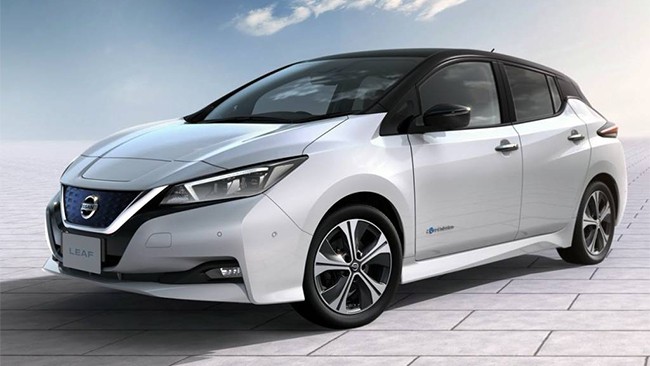
Autonomy (WLTP): 385km
Power: 160 kW / 218 hp
Acceleration (0/100km/h): 7.3s
Binary: 340nm
Maximum speed: 157km/h
Price: €45,500
Nissan’s 5-door, 5-seater family is now equipped with 60 kWh capacity batteries that give it a promising range. The most recent version is available in Portugal, more mature and below 50 thousand euros.
Battery charging can take up to 10 hours and 45 minutes on 7 kW of AC power. If the load is carried out with direct current, the power goes up to 100 kW, finishing the load in about 40 minutes.
The consumption of the new Leaf stands at 156 Wh/km, highlighting the interior space and the comfort of the electric car.
10. Hyundai Ionyq – 378km

Autonomy (WLTP): 378km
Power: 88 kW / 120 hp
Acceleration (0/100km/h): 10s
Binary: 295nm
Maximum speed: 165km/h
Price: €38,000
The latest version of the electric vehicle is equipped with 38 kWh batteries that give it remarkable autonomy without being too expensive. By the way, this is the cheapest Hyundai electric car available in Portugal.
The 5-seater has a good 350-litre boot (for the segment), with room for the family and a new infotainment, crowned by the 10.25-inch screen. It is full of equipment and has two levels of finishes.
Like other electric cars, we also have an application for Android and iOS mobiles, blueLink.
The autonomy of electric cars varies depending on 3 factors
one. Temperature. Battery performance, life and efficiency vary depending on outside temperature. The lower the temperature, the shorter the battery life, consuming more power to keep the cabin nice.
two. Driving profile / regeneration. Electric cars usually have three driving profiles, from the sportiest to the most economical and with some intermediate degrees. This will vary the power delivered depending on the selected profile.
3. type of driving. Driving in the city (cold, moderate or hot weather) will be different from driving on the highway. This will directly affect the autonomy of the electric vehicle and the useful capacity of the battery.
These are the main factors that can increase or decrease the capacity of the battery and, consequently, the autonomy of electric cars. Something that can also vary depending on the personal style of driving, more accelerated, or moderate.
Also take the opportunity to learn about the best electric cars currently available on the market. If you are passionate about this car segment, discover the best-selling models in Portugal during the last year.